Apples and Autumn

Helen Jackson

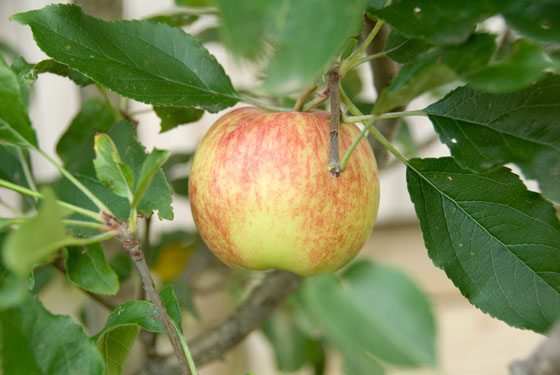
Apples and autumn go together, while the apple season starts in January it is autumn when they really come into their own once the stonefruit and berries have finished.
All apples have their merits, the first of the season galas, warm from the sun and picked fresh from the tree are fantastic – one of the best things you can find.

New Zealand is well known for its apples – we grow around 130 varieties commercially and Gala, Braeburn and Royal Gala were all developed here now grow all around the world. Continue reading

Apple and Cardamom Friands


These are deliciously moist and receive rave reviews.  The cardamom gives a lovely perfume but alternatively you could use cinnamon.

While they are more manageable to eat when cool I must admit to loving them warm from the oven.


175 g butter, melted

1 1/3 cups icing sugar

1/2 cup plain flour

1/2 teaspoon ground cardamom

1 cup ground almonds

5 egg whites, lightly whisked

1 cup stewed apple, chopped into 1 cm dice

1/3 cup slivered almonds

  Continue reading

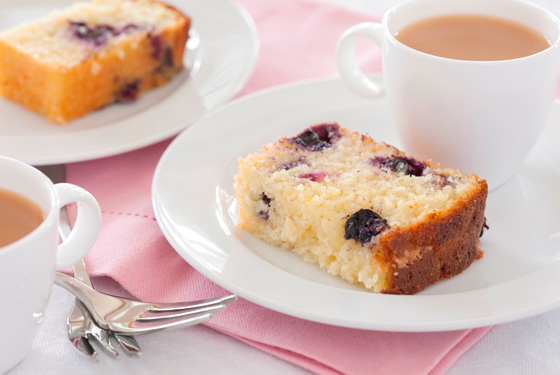
Apple and Blackberry Dessert Cake


This cake is wonderful for either afternoon tea or dessert.  It is very moist and needs little more than a dollop of softly whipped cream.  While I love the combination of hazelnuts, you could alternatively use slivered almonds.


2 eggs
1 cup caster sugar
150 g butter, melted
1 1/2 cups self raising flour
1 1/2 teaspoons baking powder
3 medium Braeburn apples
1 cup blackberries (fresh or frozen)
1/3 cup chopped blanched hazelnuts
1 1/2 tablespoons demerara sugar


Quince Time Again

It’s quince time again – Summerfields

Quince Jelly is one of our most favourite things. It almost has a perfume rather than a flavour. It is unlike anything else and its exotic, aromatic qualities reminds us of orange blossom water orroses. We also love that you start with white fruit and get a brilliant red jelly – that is just plain awesome.

We get our quinces off a friend. Last year she gave us a bag for free but I think she is onto our addiction and this year we had to swap her a jar of apricot jam for quinces. (Actually we offered her a big jar of jam, and home-made plum sauce, anything to have a bag of quinces but she would only take the little jar of jam.)

This year we had also had the epiphany that the quince fruit pulp could be used to make quince paste (dulce de membrillo). The quince jelly was made according to the Edmonds book jelly instructions. Very straight forward – boil up the fruit with water and a little lemon juice, strain, put the pulp in a separate saucepan, add equal amounts of sugar (we added a little less) to the quince flavoured water and boil up again until you have your jelly.  This year we peeled and cored the fruit since we wanted the pulp for the paste. We stuck the peels and core in some muslin and added it to the boiling jelly so we could extract maximum flavour and pectin from the quinces.

Then we took the quince pulp, smoothed it with the stick blender and set it going, turning itself into quince paste. More sugar was added and the pulp was bubbled away at a low simmer, Rotorua-like, until it thickened and had turned a deep red. It made really deep, loud “plop” noises while it was cooking that rumbled right though the stove and rattled pans on the bench! It took ages (probably four hours) but we were nervous of burning it so we had it on a pretty low heat. Once it had reached a rich red colour and we had tested a small blob to make sure it was going to set hard, we turned it out into a pan and left it to dry in the oven overnight. The oven was turned off, but we left the fan running. Once it was set we could cut it up into little slabs, ready to go onto a cheese board. We ended up with 1.5 kilos of the stuff!

So, what is it with this quince paste then? We’re all pretty familiar with quince jelly in New Zealand, and some of us will have had some kind of fancy fruit paté on a cheese board or in a Christmas hamperat some stage, but quince paste is not something we eat a lot of down here. This is not the case in Spain, Italy and South America where quince paste, or dulce de membrillo, is quite a delicacy. According to Wikipedia it originated in Portugal and Spain (Southern Italy was under Spanish control at that stage, so it was produced there too). It spread to South and Central America with the Conquistadors (one assumes), so it is also eaten in Mexico, Uruguay, Argentina and Chile. It’s served with cheese, where the sweet perfumed flavour works perfectly against the sharp tangy cheese. It’s spread on bread and baked into pastries. In fact quinces seem to enjoy a worldwide following through the centuries from the Middle East to Greece and Bulgaria – it seems many cuisines have a soft spot for quinces.  It’s wonderful to have two products from one fruit. Very little was thrown away making the jelly and the paste. The only bits that went in the bin were the cores and skin. All that was added was water and (a lot) of sugar. The jelly is already being devoured on our morning toast, and we have 1.5 kilos of quince paste to enjoy, cook and generally experiment with.

Sunmerfields foods

[homepage][/homepage]

[smallimage][/smallimage]

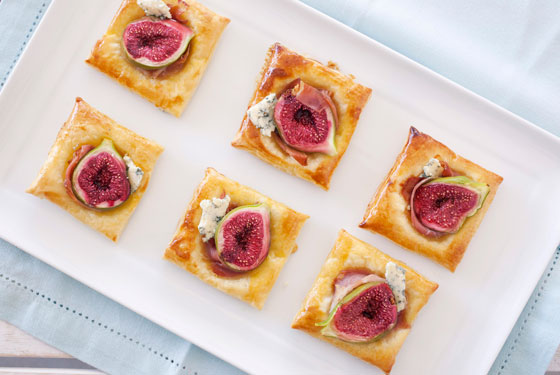
Waiheke and Figs

Lynley Ruck

Moving house by definition is an unsettling time.  There goes my life, in a truck, over the ocean on a leaky boat, during a dark and stormy night!  But it can also be quite cathartic.  I am one of those personality types that pack by numbers, I know what is inside every single box, and every box is packed tetris-like into a storage facility in LIFO fashion,  that means the cook books are by the door.  When you are packing and sorting and selling and downsizing (again) you don’t get a lot of time for cooking, so I didn’t.  We put protein and salad on a plate and frequented local eateries in a frantic bid to try everything before we left the city. Then we left the city. Continue reading

The Evolutions of Recipes

Fiona – Summerfields

One of the things we most love about food and cooking is how it spreads globally. How you see ideas moving across the world and how as people move – whether by choice or enforced – their recipes move too and whole new cuisines develop.

Cape Malay cuisine in South Africa came about because of slaves being taken there from Asia and Indonesia by the Dutch years ago. It is hard to sometimes enjoy a dish knowing that the whole cuisine only came about because of this but there are some very fine Cape Malay dishes.

We enjoyed a bobotie on Monday night. This is a beef mince dish with raisins, spices and a curry custard on it as well. It is really nice and we have become quite enthusiastic about bobotie. There are loads of recipes on the internet for it because it is real good comfort food. I have made koesisters(also can be called koeksisters) for a Sunday treat which are doughnuts but with more spice also from the Cape Malay cuisine.

From our own Kiwi cuisine I love the puzzle of Kai Si Ming. Another mince dish, this time with cabbage, that most Kiwi families seem to have in their past. I went to a lecture by a food historian from Otago University a few years ago and it was fascinating, she was still trying to get to the bottom of the origins of Kai Si Ming. My own research into this dish was that it seemed to appear around the 1950s. I did come across a very similar dish in a Korean recipe book and I wondered if the dish appeared after the Korean War but I now can’t find the Korean recipe I had and my research has come to a stop. It is fascinating trying original dishes and the dishes they have morphed into.

Another one I love following around the world is creme brulee style desserts. Like our pav, there is arguement over who invented this; the British(burnt cream), the French or the Spanish (crema catalana).

Then it has spread and numerous countries now have their own version.

One of my favourites is the Brazillian Pudim de leite condensado

because it is so easy. This is the recipe I use because it is basically identical to how a Brazillian told me to make it except he said to make your caramel in a separate pan and then pour it into the mould – this is definitely a very good tip.

www.summerfieldsfoods.co.nz.


Continue reading

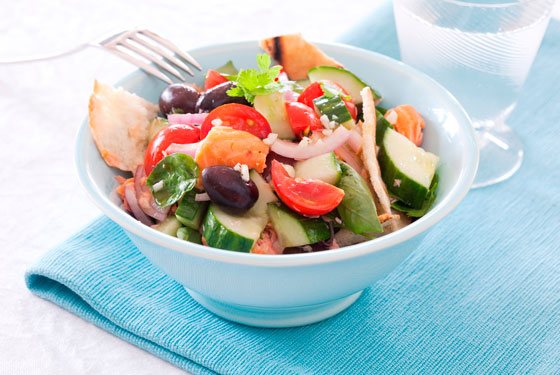
Smoked Salmon Fattoush


serves 3-4 as a light meal
Ingredients

2 pita breads
1 tablespoon oil
1/2 telegraph cucumber, roughly chopped
1 red onion, finely sliced
15 cherry tomatoes, halved or quartered
1/2 cup kalamata olives
½ cup parsley leaves, finely chopped
½ cup roughly chopped basil leaves
300g hot smoked salmon
2 cloves garlic, crushed and chopped
2 tablespoons lemon juice
Salt and freshly ground black pepper
¼ cup extra virgin olive oil