A friend of mine in Melbourne emailed me about this most delicious salad from Hellenic Republic. A little time spent on the www discovered a few variations on this combination and while this one is close to some, they all have a few tweaks to suit the individual writer.
This has great texture and flavour and encapsulates everything I love in a salad.
Plus it looks gorgeous!
Thanks to the Hellenic Republic team for the inspiration.
I am easing my way back into working life after a two glorious weeks hosting a tour in Sri Lanka with World Expeditions.
We had a wonderful time and over the next week or so I will be popping travel photos, words and some little videos around foodlovers.
First up is a lttle blog Fishing in Sri Lanka, being an island, fish of course is a staple in Sri Lankan cuisine and watching the fish being hauled into shore is simply amazing. A delicious fish curry recipe from Kit Perera compliments the images along with coconut sambal. A coconut grater was one of my few purchases while away so be ready for loads of coconut recipes!
Happy Cooking!
The waters surrounding the island of Sri Lanka are literally teaming with fish and while you can of course charter a boat and head out with rod and reel, you can also experience plenty without having to leave the shore.
Typically flights to Sri Lanka arrive into Negombo airport and it is worth taking at least a full day to relax, visit the fish markets and surrounding beach area where hundreds of fish are laid out to dry.
The markets are at their busiest early although they are open right through the morning and there is always something to see. The market runs 6 days a week, Sunday being the exception.
Fish is a staple in Sri Lankan cuisine and the markets demonstrate the vast number of species fished in the Indian ocean.
The beachfront leading up to the markets is a covered mats of fillets of fish and whole cuttlefish drying in the sun. These are covered with polythene at night but essentially salt cured and left to dry for as many days as needed before being packaged and sent away for processing. Much of this is destined to become the prized Maldive fish although obviously not from the Maldives. Maldive fish is fish that has been completely dried and is generally pounded into flakes and then sold in jars or bags. The dried fish is then added to many dishes as a flavour enhancer and also it can help to thicken sauces.
Different methods of fishing can be spotted all around the Sri Lanka coastline. Commercial fishing is of course a major industry but it is amazing how much can be dragged to shore, simply by throwing a set net into the water. This set net haul in Trincomalee was just one of many, although possibly had the biggest catch of the day.
Crab and prawns are also popular and The Ministry of Crab in the old Dutch Hospital. Colombo is notably Sri Lankas most famous place to enjoy crab and Sri Lanka’s contribution to the top 50 restaurants in Asia. Here, crab is served by weight, comes with your choice of flavours and bread cubes are recommended for mopping up the juices.
Bookings are recommended as the restaurant can be booked up for weeks in advance.
800g seer fish steaks (Thora Malu)
1 teaspoon turmeric
3 tablespoons vegetable oil
1 teaspoon black mustard seeds
1 sprig curry leaves
1 cinnamon quill
1 onion, finely chopped
2 green chillies split lengthways
2 cloves garlic, finely chopped
2 teaspoons grated fresh ginger
1 tablespoon Sri Lankan curry powder
2 ripe tomatoes, chopped
400 ml coconut milk
Salt to taste
Method
Combine the fish and half the turmeric in a bowl and mix well
Heat the oil in a large saucepan over medium to high heat; add the mustard seeds and allow them to pop. Add the cinnamon and curry leaves; cook for 2-3 minutes, stirring. Then add the onion, chillies, garlic and ginger; cook for 2-3 minutes, stirring Add the curry powder, turmeric and tomatoes. Cook for further 2 minutes, stirring
Add the fish and mix well to combine
Add coconut milk, stir and bring to a rapid simmer. Turn down the heat to low and simmer for 8-10 minutes. Season with salt
Serve with steamed rice, coconut sambal and pappadoms
Method
In a heavy based pan over low heat, dry roast separately the coriander, cumin, fengureek and fennel, stirring constantly until each becomes fairly golden. Do not let them burn.
Put the roasted spices into a spice grinder together with cinnamon stick broken in pieces, cardamom and curry leaves
Blend on high speed to a fine powder
Coconut Sambal
1 tablespoon Maldive fish flakes
1 shallot, finely chopped
1 red chilli, finely sliced
1 teaspoon ground paprika
1 heaped cup grated fresh coconut
juice of 1 lime
salt to taste
Place the Maldive fish flakes, shallot, chilli and paprika in a large mortar and grind until you get a paste.
Add the coconut and mix well.
Stir in the lime juice, season with salt and taste. Adjust seasoning if needed.
This traditional Bavarian dip is simply delicious served with soft pretzels warm from the oven.
The original recipe also includes butter but having made it with and without, I prefer this version.
Cardrona skifield seafood chowder is one of the best there is.
Rich and hearty, it has great flavour which Russ (head chef) attributes to using Nelson smoked trevally.
The quantities have been scaled to suit the home kitchen.
In our adapting of the original recipe the proportion of wine has been reduced by half and the cream by a third. Change this back if you would rather.


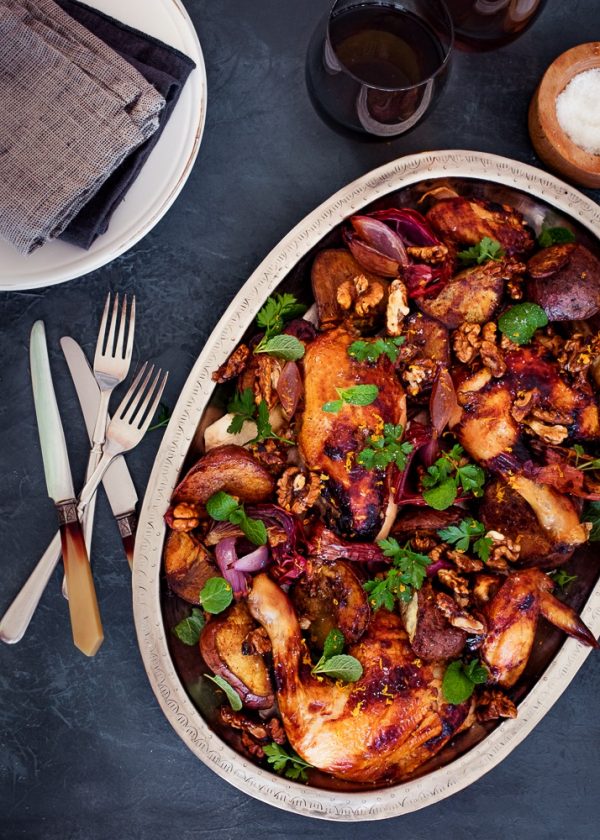
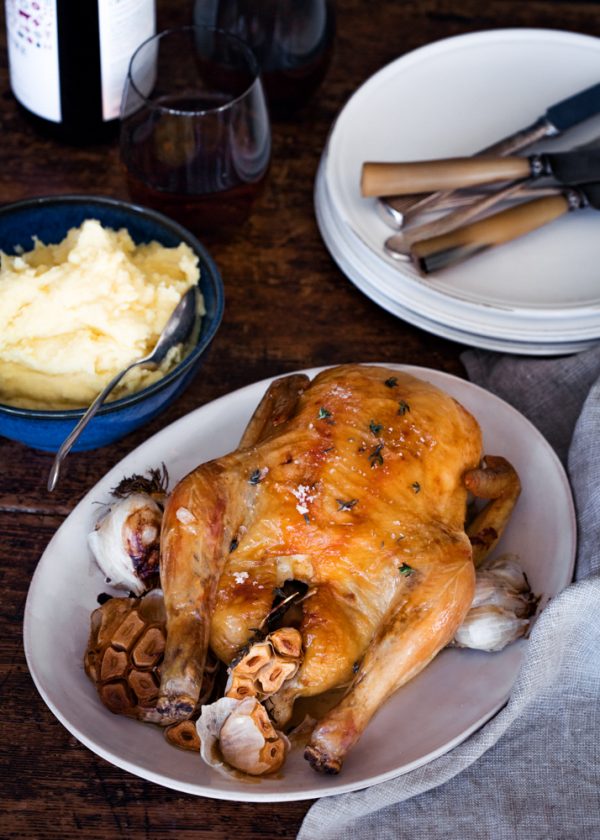 Turkish style Yoghurt and Herb Marinated Chicken