Author Archives: Helen Jackson
Pork, Fennel and Apple Stuffing for Turkey
Perfect Baklava
Sometimes in life, and not very often, you get to taste something that is so perfect that the moment stays with you forever and maybe you will never be able to replicate it again.
Most recently for me it was a piece of baklava. I have long held a passion for baklava, have made it myself a few times and will search it out when visiting Middle Eastern food stores. In recent years the obvious use of vegetable shortenings instead of butter has been disappointing as manufacturers move to economy not purity.
Day 2 of our recent trip to Turkey was spent with Olga from Delicious Istanbul on a walking food tour of Kadakoy (the Asian side of Istanbul).
Olga is extremely passionate about quality produce and good food so we were in exactly the right hands to taste the best that Kadakoy has to offer. The nuts, fruit, fresh sardines, Turkish delight and more will all go into another story but it is the taste of perfect baklava that this is about.
While baklava is of course from Turkey, specifically it is a city in the East of Turkey, Gaziantep, that is famous for baklava. It is no coincidence that the highest quality pistachios are also grown here and used extensively in baklava, along with sheep’s milk butter, delectable fragrant honey and hand made filo pastry. The art of this pastry making, it is said, takes 20 years to perfect.
While this trip didn’t allow a visit to Gaziantep (next time), there are a sprinkling of baklava makers in Istanbul who have come from Gaziantep and Bilgeoglu in Kadakoy is one of them. The shop is run by at least two generations of male members of the family and baklava making is their craft (you can also purchase bags of fresh pistachio nuts from Gaziantep).
As instructed by Olga we stab our baklava with a fork until all of the layers are penetrated, pick the entire piece up and turn the fork upwards so that each bite takes in all layers of the baklava.
The combination of crisp buttery pastry with the sublime crunch of pistachios and the sweet honey syrup that goes straight to your head is unbelievable. I know that I am eating something so good an so pure that this moment is precious and maybe one that will never happen again.
It was my one (well actually two) pieces of baklava that we ate in two weeks travelling Turkey. I dare not try another piece for fear of disappointment.
I am not even going to try to emulate the recipe and for this reason there is no recipe here to share.
I will instead savour and store the moment.
Do you have precious food moments to share, when you too have tasted something so good that you know it may not ever happen again?
Saucy Chicken Drumsticks
August
I am currently eating my way around Turkey and look forward to coming back with fresh inspiration and recipes to share here.
It is quite a signifcant trip, a celebration of a decade birthday and our first real holiday together without children.
Once we get back it will only be a few short weeks until we see the first of the NZ asparagus and spring is almost in the air!
I do have good intentions of writing our newsletter from afar but if I get caught up then there will be a little break.
Happy Cooking!
Alfajores biscuits
Urban Chicks – Renee Lang
In light of the publicity surrounding free range hens (or not) at present, I am once again weighing up the pros and cons of hens in the city.
This in turn made me think of Renee Lang, champion to hens (also dogs) and co-author of Urban Chicks.
Renee has kindly shared with us some of the practical aspects of raising hens from Urban Chicks, which I am sure will be valuable information for those taking the step into hens.
Thanks to Claire Gummer, Auckland chook keeper extraordinaire, who contributed her knowledge to this.
From Urban Chicks by Renee Lang and Trevor Newman, Renaissance Publishing, 2012
Creating a Haven for Chooks
Gallus gallus domesticus your urban chick may be, but she’s still a wild thing. Give her things that the other garden birds like: room to scratch and take a dustbath, access to a bit of greenery, even small invertebrates to snack on.
Like almost everything, poultry-keeping is subject to rules, available on your council’s website or if you ask. These are very specific, including maximum flock size, minimum space, distance from the boundary or ‘occupied buildings’, and cleanliness. Make yourself familiar with them – many are thoroughly sensible – even if your urban chicks choose not to observe every letter of the law.
Cultivate relationships with your neighbours (who may hear a bit more noise when the backyard poultry parties start up), other chicken keepers (through classes or online forums) and, if possible, a vet who knows about chooks (they’re rare birds). Get to know your chickens: hang out with them; they can be very soothing. Learn how to hold them, and do it from time to time. That’s less soothing – they may not like it – but it’s a good habit, helping you to check their health and welfare.
Chicken Checklists
Chook-cessities: the must-haves for hens
Space – allow about 1m2 per hen for the entire run including henhouse (less, if you like, for bantams). Make sure the run offers shelter from the sun and places to take a dustbath.
Henhouse – to keep the weather out, especially in winter, but allow some airflow. It can be purpose built (look through chook books listed on page XX for a range of options) or pre-loved, like the retired bus shelter used by one enterprising chicken-keeper! The construction should allow each hen room of at least 40cm2.
Nesting box – in a nice dark corner of the henhouse, but still accessible by you. This is where they’ll lay their eggs, should they so choose.
Roost – for perching on at night. Allow at least 15cm per hen.
Litter – wood-shavings/sawdust (untreated) or similar to line the henhouse floor, and sometimes the rest of the run, especially in winter.
Drinking water – plenty, fresh, in a clean container, preferably off the ground (above three Ds that chickens do: dirt-scratching, dust-bathing and defecation)
Barriers – between chickens and beloved garden or dangerous predators (next-door-but-one’s precious puss, the cute puppy from across the road). If they’ll keep the voracious sparrows out, even better. Any one of these creatures can be quite determined to get on the wrong side of the fence.
Commercial poultry food – layers’ mash or pellets for hens that have come of age (point of lay and beyond); grower feed from 7–16 weeks; chick crumbs for those aged up to six weeks. It may only be chickenfeed but it’s scientifically formulated with the right stuff and should be the bulk of what your girls eat each day. However, people have fed chooks less formal fare since Adam was in nappies.
Grit – leave ground oyster shell (separate from food) for your hens; they’ll help themselves, and the calcium will help their eggshells.
Company – hens aren’t hermits, so don’t force them to be lone rangers. Even two constitute a flock. Local councils will often allow up to six.
Chick-cessories: things that go well with hens
A composting system for your garden, to make use of that amazing fertiliser!
Straw/garden leaves – they love scuffling around in these looking for things to eat, and straw is good in the nesting box.
Grain, corn kernels (fresh or kibbled) – much appreciated as occasional treats.
Greens – silverbeet, broccoli or cauli heads, lawn clippings, puha, chickweed, wandering willie.
Fruit – scrunched-up apples, tomatoes, berries, split cucumbers or marrows, melons, capsicum seeds.
Invertebrates – worms, earwigs, moth larvae, crickets, snails (though some spoilt city hens require them pre-squashed), even wetas and failed monarch chrysalises. Leave a large rock in the chicken run for a few weeks, then overturn it; the chooks will have a field day!
The Maybe Nots
‘Foods’ to avoid – undigestible kikuyu or couch grass, too much oxalic-acid-rich vegetation, raw potato, nightshade, buttercup.
Males – there are reasons why some towns have bands of outlaws in the form of roving roosters. They are ‘let go’ because they don’t lay eggs, they’re not always friendly, neighbours may not appreciate the wake-up calls, and the council is unlikely to approve of them.
Rats – they like a nice neighbourhood with amenities including food outlets (your chicken run, feed containers and compost bins). If they move in, evict them.
Choose Your Chooks
Most of the people in this book have entered very successful relationships with chickens by adopting any they found available. All the same, you may like to think in advance about what sort you’d like in your backyard. They’re not like the self-invited sparrows; you have a choice.
Ages and Stages
Point-of-lay pullets, at 16–20 weeks, are the easiest to look after from the outset. But you may enjoy older hens rescued from cage life – you’ll see them blossom as their feathers regrow and they learn to be real chooks, and despite being labelled ‘end of lay’, they will produce eggs. Other options include fertilised eggs (in an incubator), day-old chicks (with carefully distributed and monitored warmth), or older chicks, some of which could become roosters. Any chickens younger than point of lay are higher maintenance, but very rewarding to raise. They offer a great opportunity for children to learn and bond with other living creatures. So do the older, wiser birds.
Breeds to Love
These are loosely categorised below according to characteristics that urbanites look out for. The cradle to table trajectory is not a consideration, so if you’re intent on a commercial operation raising broilers, it’d pay to look elsewhere. In breed descriptions from suppliers, look out for chicken-keepers gobbledegook such as ‘docile’, ‘flighty’ and ‘lazy’ (indicating temperament). Plumage patterns can have interesting names like ‘spangled’, ‘splash’ and ‘ laced’. Seek out some of the ‘chook books’ listed on page XX for more information. Please note: individual chickens may vary.
All-Rounders
They look and behave like garden-variety chooks. They’ll lay; they may mother; and more:
Australorps (see Egg Manufacturers below)
Barnevelders – ‘good natured’ birds that make good pets, says one supplier. This Dutch breed lays dark brown eggs, but has a reputation for laziness.
New Hampshire Reds – they’re good layers, with plumage a lighter shade of brown than the Rhode Island Reds from which they’re developed.
Orpingtons – big, fluffy birds that won’t fly far and are quite friendly. Colours range from ‘Buff’ (a beautiful orangey gold) to Black.
Plymouth Rocks – the ‘Barred’ type has beautiful dark grey and white patterning. Many people choose these birds for their backyard.
Rhode Island Reds – friendly, curious. Their plumage is a glossy, rich brown with a little iridescence.
Sussex – the Light Sussex is the most widely available of these and very popular, white with a black (‘Columbian’) collar and tail feathers. She lays tinted (off-white) eggs.
Welsummers – another Dutch hen developed in the twentieth century, with plumage that’s a colour mix called Red Partridge. One major plus is that they don’t go broody.
Clucky Mums
If you have a single nest, and one hen hogs it in the vain hope that she’ll hatch chicks out of those unfertilised eggs, broodiness is a bother. But if you want chicks of your own, it can be the best thing since eggs benedict. Incubators and constant care from a handy human are all very well, but hen-and-chick bonding is special to see.
Orpingtons (see above)
Silkies – not great layers, but wonderful mothers (good with children, too).
Wyandottes – Silver-Laced and Gold-Laced varieties are gorgeous, good layers, and good mothers.
Egg Manufacturers
Is your daily egg what matters most? Backyard flocks are seldom subjected to the rigorous routines that make for productivity all year round, but consider the following, all bred as efficient layers.
Australorps – these iridescent black Aussies have the attributes of Orpingtons (to which they’re related), with great laying power.
Leghorns – elegant lines but a big, floppy comb. They can be a bit jumpy and loud (‘sprightly’, says one authority) but they’re wonderful layers. White ones produce beautiful white eggs.
Shavers – not a breed, but a commercial hybrid, these are the chooks you’ll most commonly see and whose eggs you’ll likely get from the supermarket. They’re made to lay, but will appreciate life outside a cage.
Novelties
So you’re after something far from common: a talking point, a living ornament, a show-stopper or a bird with an exceptional CQ (cuteness quotient)… You’ll find it – whether chic chick or handsome hulk – among the following.
Araucana – more feathers on the head and face than your common-and-garden chook, and beautiful green or blue eggs. Loves her greens. The ‘Lavender’ (grey) is a real looker.
Bantams – almost any breed has a miniaturised or ‘bantam’ version but ‘true bantams’ (a breed in their own right) are also available, of which the Pekin is a popular example.
Faverolle – a sturdy-looking bird, quite rare in New Zealand, with feathers in interesting places. ‘Salmon’ is a lovely colour.
Frizzles – a half-washed or ‘dragged through a bush backwards’ look, with feathers curling up towards the head. Some people view Frizzles as a breed, but any breed can hatch the odd ‘frizzled’ chook.
Old English Game – all the game breeds were developed as fighters. These are handsome birds, but you may want to limit your choice to the Bantam type.
Silkies – their feathers are soft and furry (please protect them from the mud and wet) and they wear amazing headgear. They make great pets.
Chook Books
Selected useful guides and interesting information. If selecting breeds, it’s best to use a source from your country, as not all international breeds are available everywhere.
Care and General Information
Chicken – Annie Potts, Reaktion, 2011. A fascinating little book of natural and unnatural history, written by a Kiwi.
Choosing and Keeping Chickens – Chris Graham, Bounty, 2007. Published in association with Britain’s Poultry magazine.
How to Care for Your Poultry – Nadene Hall & Sue Clarke, New Zealand Lifestyle Block, 2010. Comprehensive, inexpensive, and written for New Zealanders. Note, though, that the section called ‘How to Dress a Chicken’ is not haute couture for urban chicks.
Keeping Chickens: An Australian Guide – Nicholas Brasch, Penguin, 2007
Your Chickens: A Kid’s Guide to Raising and Showing – Gail Damerow, Storey, 1993. From possibly the most prolific of poultry book publishers.
http://yourpoultrynz.blogspot.co.nz/ (NZ Lifestyle Block magazine blog)
www.eggfarmers.org.nz/keeping-your-own-hens.asp
www.feedmeright.co.nz/pdf/OrganicNZ_BackyardChooks.pdf
www.lifestyleblock.co.nz/lifestyle-file/livestock-a-pets/poultry.html – this NZ site free-ranges from hen society to setting broody hens
www.mypetchicken.com
www.nrm.co.nz/pdfdownloads/NRM-ChookBook-0412-1.pdf – a free and comprehensive care guide produced by a New Zealand feed company.
www.rarebreeds.co.nz/chooks.html – Rare Breeds Conservation Society of New Zealand
RD 1 – from back issues of New Zealand Lifestyle Block magazine, these down-to-earth articles include a ‘Sick Chicken Checklist’ and ‘Why Did My Chicken Die?’
SPCA – brief information on welfare.
Chicken School
The courses on offer are less regular than your daily egg, but here are a few. Do some digging online, or ask at your local high school for evening or weekend classes.
www.greenurbanliving.co.nz – Hawke’s Bay landscape architect Janet Luke’s range of courses includes chicken-keeping, and she has a free online booklet.
www.mountedenvillagepeople.co.nz – workshops include ‘Keeping Chickens in the City’.
www.leisuretimelearning.co.nz – their adult and teen community learning includes classes on urban chicks.
Forums on the Web
www.poultrycentral.co.nz – New Zealand’s own, with a diverse flock of chicken-keepers who won’t judge you for being a newbie.
Interesting Individuals, Clued-up Companies
Frugal Kiwi an enterprising migrant incorporates chicken-keeping in her new green life.
www.animalsanctuary.co.nz – adopt rescued birds, or donate.
www.eggventurous.blogspot.com – life with Alice, Amelia, Emmeline, Henemoa, Vanessa, Victoria and others.
– a South Island-based business.
www.incubatorsnz.co.nz – equipment for raising and keeping poultry.
www.omlet.co.uk – chicken coops to die for (though not literally), and more.
Uncle Joe’s International Award Winning Oils now available Nationwide
Malcolm & Jenny Horwell are the co-owners of Uncle Joe’s award winning Walnut and Hazelnut products. They have owned Uncle Joe’s since 1997 when they purchased the small entity previously based in Nelson. They produce Uncle Joe’s premium nut & seed oils which are all cold pressed, plus delicious nut spreads and kernels. Uncle Joe’s oils have been winning Gold awards both overseas and locally at Gourmet Oil Competitions since 2007.
This year they entered their oils into the International Gourmet Oil Competition in Paris (AVPA) competing against 120 oils from around the world. Uncle Joe’s Walnut Oil received one of two Silver Medals, Uncle Joe’s Mustard Seed Oil received one of five Bronze Medals & Uncle Joe’s Hazelnut Oil received one of twenty Gourmet Diplomas.
The Walnut Oil has received Gold Medals at the NZ Gourmet Oil Competition in Christchurch since 2007 and Hazelnut Oil won Gold at the Gourmet Oil Competition at the Auckland Easter Show in 2013. Uncle Joe’s Walnut Spread was in the top 10 finalists in the inaugural Cuisine Artisan Awards 2009.
More background on Uncle Joe’s: With growing sales and distribution Jenny & Malcolm decided to diversify and expand into growing and selling hazelnuts. They decided to plant a small grove of nut trees & because their property lies adjacent to other small holdings, they chose to plant hazelnuts, a smaller tree as opposed to potentially much larger walnut trees. They planted their first paddock in a variety commonly grown in NZ called Whiteheart and in the following two years planted a table nut variety called Ennis.
Uncle Joe’s now has a small producing orchard of around three and a half acres planted with ten to twelve year old hazelnut trees. Added to this supply are hazelnuts from other orchardists as well as walnut crops from local tree owners. A fully mechanized production process has been developed, making careful choices of equipment to minimize possible damage to the kernels and protection from oxidising. Above all the focus is on ensuring customers are delivered premium quality kernels & oils.
Uncle Joe’s Award Winning Pumpkin Seed Oil : makes a delicious simple salad dressing, can be used to flavour baking, enjoy dipping with artisan breads such as Sourdough, drizzle over roast beef, brush cooked corn on the cob lightly with Pumpkin Seed Oil, put a few drops in scrambled eggs.
Uncle Joe’s Award Winning Walnut Oil : Has a rich nutty flavour (perfect for salad dressings) toss through pasta, brush a thin coat on fish or steak just before serving, enjoy with mild blue cheeses and pears, drizzle over freshly steamed vegetables & make wonderful light salad dressing oil; contains good heart health Omega 3 properties.
Uncle Joe’s Award Winning Mustard Seed Oil: is used in dressings & sauces worldwide; can be used for seasoning or frying (smoke point 254 deg C). Mustard Seed Oil is a rich source of Omega 3 and Vitamin E (known for protecting the heart) for cooking use a little for flavour, enjoy with watercress or steamed greens, fish, bread or pasta.
Uncle Joe’s Award Winning Hazelnut Oil : Delicious in vinaigrettes, smooth & tasty as a dip with good fresh bread, works well with citrus fruits, raspberries & other naturally sweet foods, makes a great garnish for fish dishes & baked veges. Rich in healthy mono-unsaturated fats, minerals, vitamins, protein & fibre.
Uncle Joe’s Award Winning range of oils 50ml RRP $9.50 are available from specialty food stores & participating supermarkets nationwide. For more information or stockists visit www.unclejoes.co.nz
Genevieve’s Seafood Mousse
Enjoy the fresh flavours from the sea with a new range of premium seafood mousse from Genevieve’s.
Genevieve Knights is an Auckland based chef, food writer and food photographer who started cooking professionally from only seventeen. Genevieve’s motto has been to gain the best experience possible by working for those at the ‘top of their game’ including The French Café, Wheelers Restaurant and Austin’s Catering. Genevieve has combined her skills and experience and created a popular food brand and specialist pâté producer called Genevieve’s, who has rebranded from Genevieve’s Cuisine. Her latest products are a range of Seafood Mousse.
The three flavours in this new range – Prawn, Scallop and Oyster Mousse, are completely preservative and additive free. For the Oyster Mousse, Genevieve is very pleased to be collaborating with Mahurangi Oysters to create a spread rich in texture and flavour.
Handmade in small batches using a similar method to the existing chicken and duck parfait range, Genevieve’s Seafood Mousse are twice baked with two different times and temperatures which creates a sterile environment inside the jar and provides a useful, lengthy shelf life. This research and cooking system won Genevieve’s the R & D Awards at last year’s Auckland Business Awards.
Genevieve’s has re-branded from Genevieve’s Cuisine with a new logo. Genevieve says “The seafood selection is branded in blue to represent the sea while our other products from the land will remain branded in green”.
If you are looking for something special to serve your guests for lunch or pre-dinner drinks, look no further. With a delicate, soft, spreadable consistency and subtle flavours, the Seafood Mousse range can be enjoyed with artisan breads and a selection of crackers. Enjoy all three with Sauvignon Blanc, Pinot Gris or Champagne; and the Oyster Mousse is a match made in heaven with a quality Chardonnay.
Genevieve’s Seafood Mousse are available in Prawn, Scallop and Oyster (RRP $9.99). Available at Farro Fresh stores and participating New World and Fresh Choice supermarkets nationwide. For more information, visit www.genevievescuisine.com.
Amisfield, Food and Wine Stories
Hot off the press is Amisfield, Food and Wine stories from Central Otago Lovers of good wine will be familiar with the Amisfield Pinot Noir and aromatic white wines, while travellers to Central Otago would seldom leave without stopping at the multi award winning Amisfield winery restaurant, perched on the rise above Lake Hayes only a short drive from Queenstown and Arrowtown.
Amisfield the book, embraces both the Central Otago history, the winery and of course their stunning fare that makes Amisfield a popular destination for both travellers and locals.
With 100 of their signature recipes to share, it now means that those of us who pine for duck rillette with pinot cherries, Stewart island salt cod brandade and Goat’s cheese agnolotti, to name but a few, will now have the chance to reproduce them in our own kitchens.
English muffins from the Bread and Bakery chapter are top of my list to try followed pretty closely by the citrus souffle and beef cheeks below.
Whether you are a passionate cook or someone who appreciates beautiful books, Amisfield is certainly worth adding to your collection and an ideal book for a quiet weekend afternoon in a cosy chair.
For a chance to win one of two copies of Amisfield visit our win pages.
citrus souffle, whipped mascarpone, roasted white chocolate
Serves 10
This is a simple, light dessert that is best served the day the soufflé batter is made.
The roasted white chocolate adds a crunchy texture and caramelised flavour to the soufflé, and the whipped mascarpone is a cooling addition to balance with the hot dessert. We like to serve this dish with freshly segmented grapefruit and orange, and garnish it with mint.
Roasted white chocolate
200 g white chocolate
Citrus soufflé
butter and sugar to prepare ramekins
60 g butter
60 g flour
100 ml lemon juice
100 ml orange juice
zest of 2 lemons and 2 oranges
8 large eggs, separated
90 g sugar
Whipped mascarpone
200 g mascarpone
¼ cup lemon juice
zest of 1 lemon and 1 orange
1 tbsp sugar
½ vanilla pod, split and seeds scraped
To serve
grapefruit and blood orange segments
1 handful of mint leaves
icing sugar for dusting
For the roasted white chocolate
Preheat the oven to 150ºC.
Melt the white chocolate in a bowl over a saucepan of simmering water. Pour the melted white chocolate into a small, shallow roasting pan and bake for 5 minutes.
Remove the chocolate from the oven, give it a stir, then return it to the oven for another 5–10 minutes, occasionally pulling it out to stir.
Allow the chocolate to reach a dark golden colour before cooling at room temperature. The chocolate will have a crumbled texture.
For the soufflé
Preheat the oven to 190ºC. Grease 10 ramekins with softened butter and dust them with sugar. Be sure not to leave any surfaces uncovered as this will prevent the soufflé from rising evenly.
Melt the butter in a saucepan. Add the flour and whisk until combined. While whisking slowly, add the citrus juices and zest to the pan over the heat. Cook until a thick paste forms, then take off the heat.
In a large bowl whisk the egg yolks and sugar together rapidly by hand until light yellow. Whisk in the butter and flour paste and set aside.
Whip the egg whites in a stand mixer fitted with a whisk attachment on high speed until stiff and white. Fold the whites into the citrus mixture and immediately spoon into the prepared ramekins.
Bake for approximately 15 minutes at 190ºC. Reduce the oven temperature to 175ºC and cook for a further 5–7 minutes until the soufflés are golden brown.
For the mascarpone
Place all the ingredients in a stand mixer fitted with whisk attachment and whip on high speed for 5 minutes until fluffy. Then pass the mixture through a fine strainer to make a smooth cream.
To serve
Spoon some of the chocolate onto the plate, top with whipped mascarpone, and garnish with grapefruit and orange segments or any fruits that are in season, and mint. Place a napkin or serviette on the plate where the soufflé will sit. Dust soufflé with icing sugar and serve immediately.
Braised beef cheeks, celeriac purée, crispy parsnip, sage, grated horseradish
Serves 6
We grow horseradish in the Amisfield garden – there’s nothing like it. Make sure the oven is hot and baste the cheeks frequently at the end to ensure that lovely dark stickiness.
Braised beef cheeks
1.5 kg beef cheeks
salt to taste
2 onions, roughly chopped
2 carrots, roughly chopped
2 celery sticks, roughly chopped
250 ml Amisfield pinot noir
1 bunch of thyme sprigs
Celeriac purée
2 heads of large celeriac, peeled and cubed
1 handful of thyme sprigs
200 ml water
juice of 1 lemon
100 ml olive oil
salt
Crispy parsnip
1 litre canola oil for deep-frying
1 parsnip, peeled
To serve
crispy sage leaves (see page 272)
freshly grated horseradish to taste
For the beef cheeks
Prepare the cheeks the day before.
Preheat the oven to 90ºC.
Season the beef cheeks with salt and brown them in a frying pan. Do this in batches so you don’t overcrowd the pan. Put the browned beef cheeks in a deep roasting pan.
Add the onion, carrots and celery to the frying pan and cook for 3 minutes on medium heat. Place the vegetables on top of the beef cheeks.
Take the frying pan off the heat and add the wine. Return to the heat and bring to a simmer for about 2 minutes. Pour the wine into the roasting pan, and add the thyme. Add enough warm water to just cover the beef cheeks and cover with baking paper and aluminium foil. Place in the oven for 12 hours.
The cooking time can change depending on the size of the cheeks. You want the cheeks to be tender but not completely falling apart. Once the cheeks are cooked remove from the oven and rest them in the braising liquid at room temperature until cooled. Remove the cheeks from the liquid and cool in the fridge. Once the cheeks are completely chilled, cut in half lengthwise.
Preheat the oven to 200ºC.
Strain the braising liquid into an ovenproof pan large enough to hold the beef cheeks. Reduce by a third, skimming the fat off the surface as it reduces. Add beef cheeks and place in the oven for 20 minutes, or until the liquid has reduced to a sticky glaze, basting every 3–4 minutes.
For the purée
Preheat the oven to 150ºC.
Place the celeriac, thyme and water in a roasting pan, cover with aluminium foil and cook for 1 hour. Remove the foil and return the pan to the oven for another 30 minutes. Remove from the oven and pick out all the thyme.
Transfer the celeriac to a blender with the lemon juice and blend. With the motor running, drizzle in the olive oil. Season with salt. Pass the purée through a fine mesh sieve.
For the parsnip
Heat the canola oil in a saucepan to 180ºC.
Peel strips of parsnip in long ribbons until you reach the core. Fry in batches until golden brown and then drain on paper towels to absorb the excess oil.
To serve
Place the celeriac purée in the centre of the dish, place the beef cheeks around the purée and carefully pour on the glaze so as not to cover the purée. Garnish with fried parsnip, crispy sage leaves and freshly grated horseradish.
Crispy sage leaves
50 g butter
1 handful of sage leaves
Heat the butter in a frying pan over medium heat until the milk solids turn dark brown, creating a deep caramelised flavour and colour.
Crisp the sage leaves in the brown butter and drain on a paper towel.
Recipes shared with permission.
Amisfield, Food, wine and stories from Central Otago.
RRP $60
Chicken, Bacon and Mushroom Lasagne
Southland Cheese Rolls
Turkish Revani Cake (Semolina Cake)
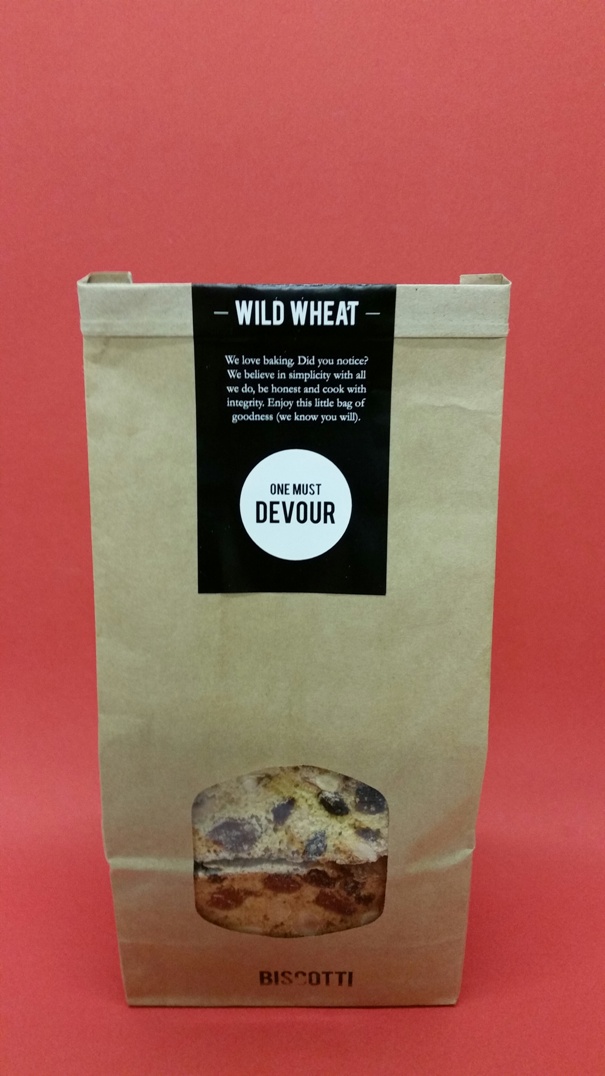
Wild Wheat Biscotti
Baker Andrew Fearnside is an Auckland baker with a reputation for making artisan breads of rare quality, including his famous Sourdough. Wild Wheat Bakery was started in 1999 and since then Andrew has created a passionate following among top chefs and foodies who will drive long distances for his bread and other handmade products. Wild Wheat Bakery is an NZ Food Award winner and has been voted ‘Best Bread’ by Metro Magazine every year since 2004.
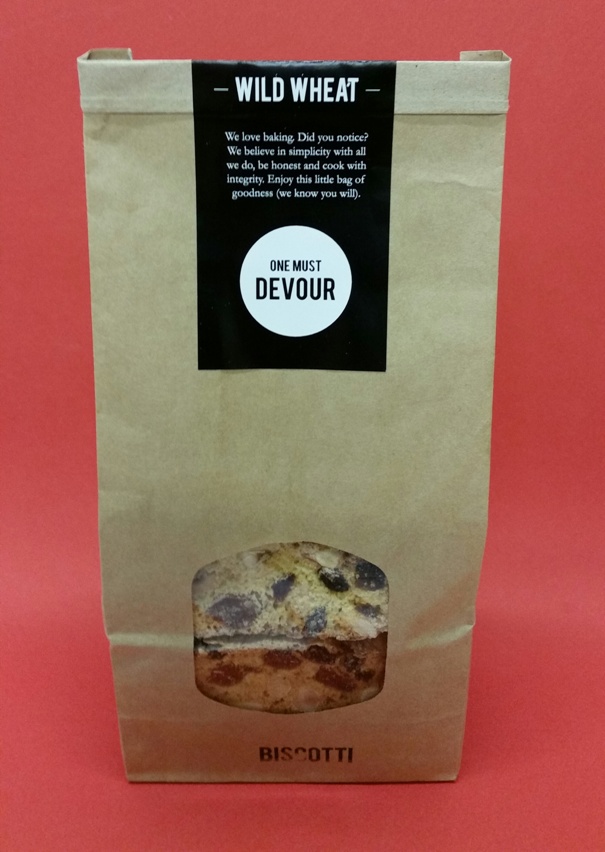
The Wild Wheat Biscotti are bigger, thicker and much more substantial than your standard run-of-the-mill biscotti. They are substantial & delicious; each pack weighs 400g almost half a kilo. Ingredients include sliced almonds, prunes, hazelnuts, dried apricots, citrus zest and raisins, distributed generously through each biscotti; making them both wonderfully crunchy and pleasantly chewy due to the abundant rich moist fruit; making a nourishing and memorable combination.
Each biscotti is double baked and has a crisp crunch with each bite taken. Because they’re much more substantial than your average biscotti they cost a little more, but as we all know you get what you pay for, plus more. The large bag is easy to open and re-sealable to help maintain freshness.
Wild Wheat Biscotti make a generous gift to take for a dinner party or the perfect after dinner treat to serve with tea or coffee. Enjoy anytime with family & friends with morning or afternoon tea. In Italy they are traditionally served with a small glass of Vin Santo, a fine Italian dessert wine.
Stamped on the pack baker Andrew Fearnside writes ‘One must devour’ he’s correct, once opened it takes courage & discipline to not go back for more!
Wild Wheat Biscotti, large 400g pack RRP $15; for stockists visit www.wildwheat.co.nz