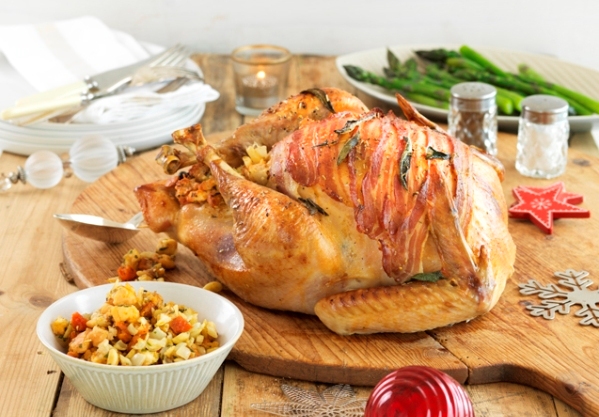
How to Prepare and Roast a Tasty Turkey

tegel roast turkey


With Christmas just around the corner it is a time of planning. Many of us are planning holidays, the gifts we are going to buy and also what we plan to cook for our Christmas dinner.

Tegel logo foodloversWhile we may eschew some of the Christmas traditions, Christmas dinner remains something that deserves to be steeped in tradition and style.
It is a day when then table is set with care, starting with a starched white cloth, the family silver (of sorts), the best dinner set, once a year glasses and a fabulous Christmas feast.
As the feature of the meal, both ham and turkey often take centre stage, the former I grew up with and the latter my own children have come to expect.
A well cooked turkey is truly impressive on the table, it is moist and delicious and packed with flavour rich stuffing.

Selecting and Thawing your Turkey
First things first, while it may seem completely obvious, do make sure you buy a turkey that will actually fit into your oven, ovens vary in size and if yours is on the smaller then choose a bird accordingly.  Also think sensibly about how many people you are catering for and buy to suit.
Once you have made your choice then defrost your turkey in the fridge (or a chilly bin with ice packs that you replace) for 2 days.

Cooking your Turkey

1. Take the turkey out of the fridge at least 2 hours before roasting. This is to take the chill from the meat which will help the meat to cook evenly.  It will also help the skin to dry which is good for colour and crispness.
2.  Calculate your cooking time. The turkey will need about 20 minutes per 450g plus an extra 25 minutes at the end of calculated time.  Preheat the oven to 180°C (375 F)
3. Turkey breast meat is lean so adding some extra fat is great.  This can be done by draping in streaky bacon, basting regularly or draping with buttered muslin.
Note: Tegel turkeys are tender basted so you can be sure they won’t dry out, ensuring you get a perfect bird every time. 
4.  Prepare the stuffing and insert into both the main cavity and also into the neck flap.  Secure the cavities with skewers.
While a trussed turkey looks neat and tidy, we think the legs cook faster and get even crisp skin by leaving the bird untied.
5.  Sit the turkey in a roasting dish and if you wish to add extra fat then either completely cover the bird with a layer of the buttered muslin or drape with streaky bacon.
 6.  Roast the bird for the required time, to check if it is cooked insert a skewer into the thickest part of the thigh.  If the juices run clear then the turkey is cooked.
7.  Remove the muslin and rest the turkey with a tent of aluminium foil for about 20 minutes.  While the bird is resting you can make the gravy.
8.  Carve the turkey exactly the same way you would carve a chicken.

The choices of stuffing for turkey are endless and very much depend on your personal preference.
Some of us like something fruity with cranberry or apricot while others very much want the richness of a sausage meat type stuffing with spices and herbs.

Turkey goes particularly well with; sage, bacon, pork sausage, cranberries, apricot, garlic, onions, butter, garlic, oregano, parsley, celery, lemon, yoghurt, sage, rosemary, thyme, pistachio, orange…..

This year we have lined up a few wonderful new stuffing recipes that vary in texture and flavour but are equally delicious and perfect for your Christmas bird.


Pork and fennel stuffingPork, Fennel & Apple Turkey Stuffing
This stuffing is seriously good, while the base is sausage meat, the fennel seeds, grated apple, hazelnuts and toasted crumbs lighten the meat up to form a moist delicious stuffing.

Makes enough to stuff a size 5.5 Tegel Turkey

2 medium onions, finely chopped
2 teaspoons fennel seeds
500g traditional pork sausages
150g whole grain breadcrumbs, lightly toasted
1 green apple, grated (skin included)
½ cup hazelnuts, lightly toasted, skins removed and nuts roughly chopped
¼ cup chopped parsley
2 teaspoons thyme leaves
1 egg, lightly whisked

Heat a film of oil in a large frying pan and cook the onions and fennel seeds until the onion has softened, about 10 minutes.
Slip the sausages from their casings into a large mixing bowl.  Add the toasted breadcrumbs, apple, hazelnuts, parsley, thyme, onion, fennel seeds and egg, season with salt and freshly ground black pepper.  Using your hands mix the ingredients until well combined.
Stuff the turkey neck end and cavity with the stuffing, secure and cook according to package instructions.
*Any excess stuffing can be shaped into balls and cooked with the turkey for the last 30 minutes of cooking.

While trussing your turkey may seem like the tidy thing to do, we think you get better browning and the legs cook easier by leaving them untied.
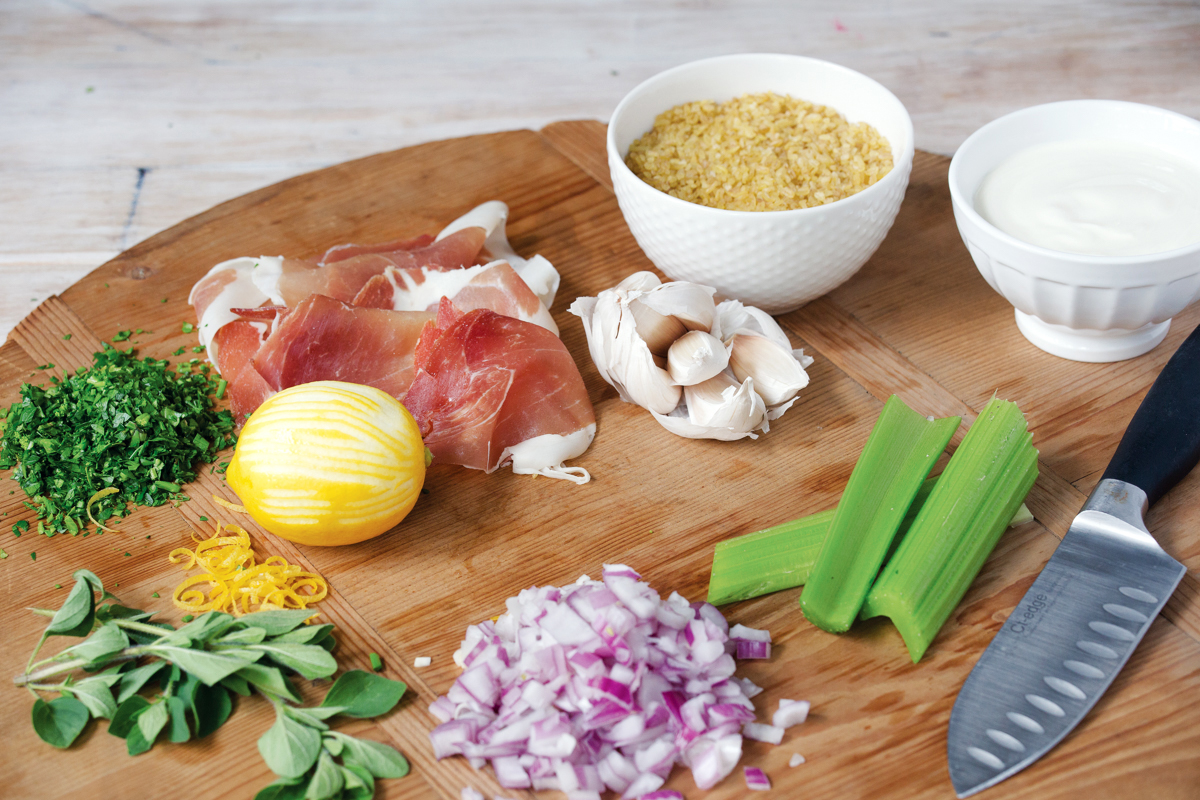
Greek turkey stuffingGreek Style Turkey Stuffing
The lovely tang of yoghurt combined with lemon, prosciutto and the freshness of herbs, all combine to make this stuffing light and luscious yet very flavoursome.
(It is also wonderful with chicken).

Makes enough to stuff a size 4-5kg Tegel Turkey

1 cup bulgur wheat
1 red onion, finely chopped
2 cloves garlic, crushed and chopped
1 stalk celery, finely chopped
5 thin slices prosciutto, finely chopped
2 teaspoons dried oregano
¼ cup chopped parsley
finely grated zest of 1 lemon
1 cup full fat Greek yoghurt

Place the bulgur wheat in a bowl and cover with boiling water, set aside for 15 minutes.
Meanwhile, heat a generous film of oil in a large frying pan and gently cook the red onion, garlic, celery, and prosciutto for 15 minutes or until the onion and celery are tender.
Remove the pan from the heat and then mix in the bulgur wheat, parsley and lemon. Stir the yoghurt into the pan and season with salt and pepper.
Spoon the stuffing into the turkey cavity, secure and cook as per package instructions.

It is important to rest a turkey after cooking.  30 minutes is ideal, just cover the turkey with a loose foil “tent”.

Mediterranean Turkey Stuffing

Mediterraean turkey stuffing Any excess stuffing is lovely alongside “next day” turkey or stuffed into sandwiches and rolls with slices of meat.
Makes enough to for a size 4-5kg Tegel Turkey

1 cup farro (or bulgur wheat or couscous*)
1 onion, diced
2 cloves garlic, crushed and chopped
100g chorizo, chopped into .5cm chunks
100g button mushrooms, finely sliced
½ cup Kalamata olives, pitted and roughly chopped
¼ cup chopped parsley
¼ cup pine nuts, lightly toasted

Place the farro in a small saucepan and rinse well before covering with 2 ½ cups of cold water. Bring the water to the boil and then reduce to a simmer, cover and cook the farro for 20 minutes, drain well and set aside.  While the farro is cooking, heat a generous film of oil in a frying pan and gently cook the onion and garlic for 10 minutes until the onion is starting to soften.  Add the chorizo and mushrooms and cook a further 5 minutes before adding the olives, parsley and pine nuts.  Add the drained farro to the pan, mix well and add salt and pepper to taste.

Spoon the stuffing into the turkey cavity, secure and cook as per package instructions.
Any excess stuffing can be served warm alongside the turkey.
*If using bulgur wheat or couscous then cook according to packet instructions.

Did you know that a buttered piece of muslin is ideal for sealing in moisture on your Roasted turkey?  Buttered muslin turkey.

For more Turkey stuffing recipes and also ideas for left overs check out tegel.co.nz

What are your best turkey tips and stuffing ideas?


A Taste of Turkey

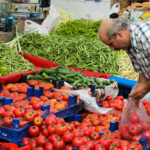
The tomatoes are like nothing I have ever seen before, their colour densely red and full of rich flavoured juice.  Maybe this has something to do with a summer of brilliant hot days, no rain at all, yet enough underground water to give the plants the moisture they need to grow.

All of the produce in Turkey late summer is truly a food lovers dream and much to my husband’s despair I have over 500 food photos to prove it!
The food, as we quickly find, is very produce driven and feels totally healthy.  Many of our every day meals are based on loads of salads and delicious grains such as bulghur wheat, served alongside grilled lamb, beef or chicken, either minced with aromatic spices or as chunks on skewers.

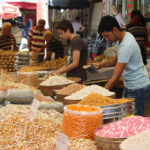
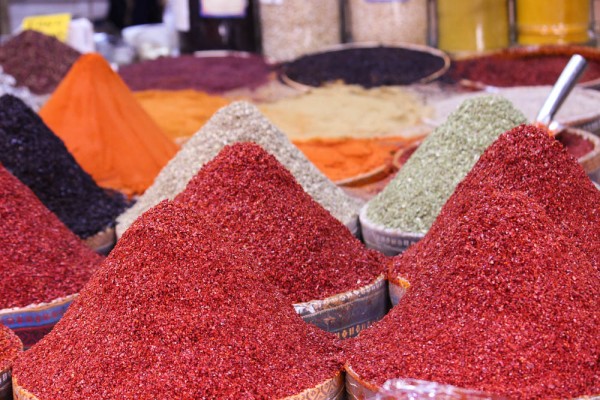
August markets are full of peaches are large as your fist with all the attributes that sun ripened fruit should have.  There are also mountains of figs, capsicums, chllies, nuts, eggplant, beans and loads of herbs and greenery.

The mulberries and apricots have finished but a tipple of mulberry wine fulfils the flavour memory and a reminder of the need to visit earlier in summer.

While the produce varies around the country, the most marked difference were the stalls full of fresh oranges and trees with almost ripe pomegranates, down on the Aegean coast.
This trip is a very special treat and one that is well researched with a mix of food, nature, smaller towns and markets aplenty.  Aside from Istanbul we really do try and shy away from the major tourist destinations and it works well for us.  Ed’s dark complexion creates some humour as he is mistaken for being Turkish on more than one occasion.

fishing Istanbul (1 of 1)

Istanbul is one of the most charming and beautiful cities in the world.  The harbour setting means that the impressive mosques and Topkapi palace are a commanding presence from the water and the varying shores have their own special identity.

Mosque Istanbul (1 of 1)

We stay in Sirkeci, the old part of Istanbul where the Grand Bazaar, spice market, Blue mosque, Topkapi Palace and Hagia Sophia are all within walking distance.

Spice Market Istanbul (1 of 1)While these are essential tourist destinations, it is, I think, best experienced and then left behind.  The restaurant food in this area is very much designed for tourists and the quality, prices and service are reflective of this. Likewise the Grand Bazaar is overwhelming in its choice of jewellery, fake sporting gear etc… but it would take product knowledge and interest in haggling to make any purchasing worthwhile.  In temperatures of 30° plus, we quickly become selective of what is worth the effort.

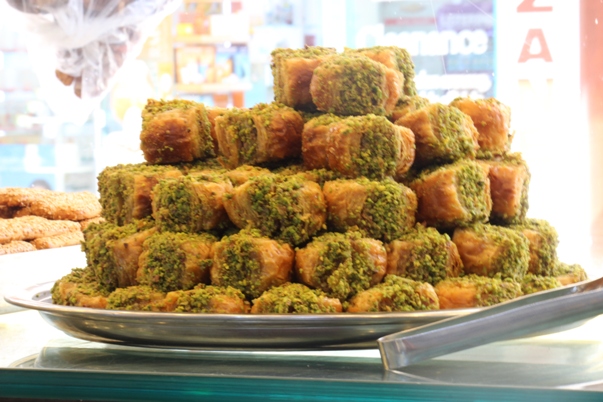
We quickly fall in love with the more local feel of Kadikoy (on the Asian side); this is only a 15 minute ferry ride from the old side but is a complete contrast.  A day spent with Olga from Delicious Istanbul is very well spent time and $$.  Ed and I have Olga to ourselves (group maximum is 6) and walk our way around Olga’s favourite food destinations in Kadikoy, eating as we go. Breakfast is the very popular menemen, a one dish mixture of whisked egg gently cooked with softened peppers and tomatoes.  The coffee, sardines, nuts, salads etc… are all wonderful but it is the baklava that truly wins me over.  A taste sensation like no other and one that I have waxed lyrical on over on a Baklava blog.

Turkish delight made with pomegranate and pistachios and then wrapped in rose petals is also extraordinary and stands alone amongst any of the other confections.
Many Foodwriters have made mention of Ciya Sofrassi restaurants, these are also here in Kadikoy, meze plates are self select and then priced by weight and large pots of meat dishes can be viewed and selected.  The food is honest and tastes so good that we return for dinner on the same day that we stop for lunch.

From Istanbul we have a quick flight to Antalya, a bustling seaside city on the Mediterranean Coast. It looks big and busy so we have planned to pick up our car and head further down the coast to Cirali, hopefully arriving before dark.  A rental car devoid of fuel and some confusion with baggage puts paid to this but we still find our way along the pot holed dirt road to the slightly alternative beach of Cirali. Our chalet is in a beautifully fragrant orange grove, bordered with fragrant figs and pomegranates,  we are pleased to be away from city lights. Cirali is a fairly quiet small beach, protected as a logger head turtle nesting spot.  While we are concerned at the sun loungers and umbrellas that cover big chunks of the beach, the larger hotels chains are unable to build here and in reality the beach is supposed to be clear for the turtles.  We arrive at the tail end of hatching season, but a walk at dawn enables me to realise a dream as I watch tiny turtles hoist themselves out of their sandy nest and instantly make their way to the water, their little heads bobbing for air as they follow their instinct and head off to sea.  While nature is left to nature, the nests are protected from unsuspecting footprints and dogs, and the watchmen give the turtles a small helping hand out of their nest, recording numbers etc…

Cirali has a line up of beachside cafes with Ikiz being our favourite place for great quality Turkish fare at a very fair price.

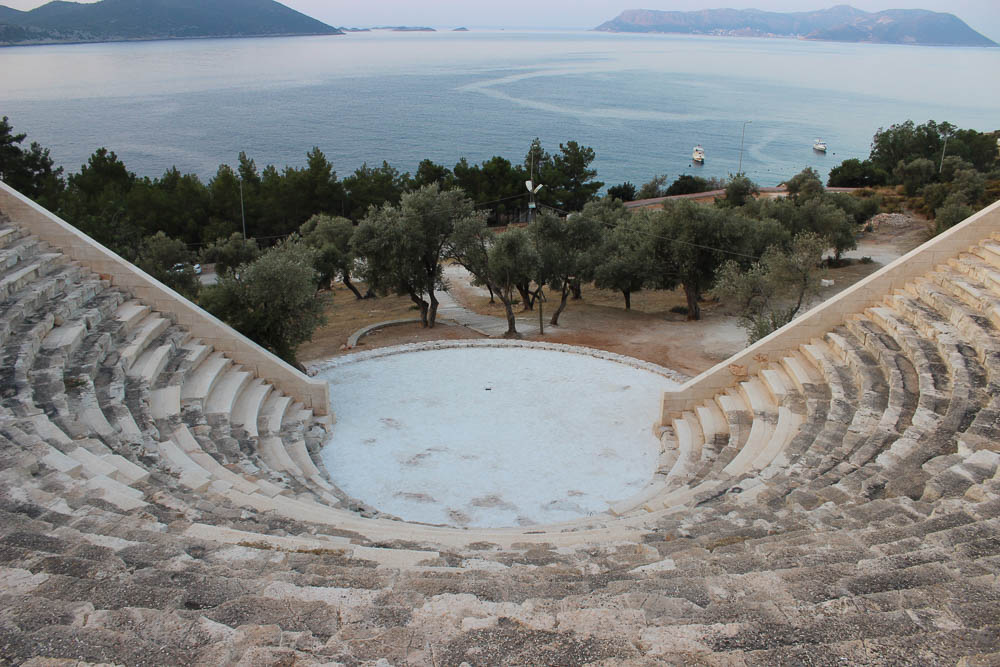
Our next step along the coastline is the very quaint town of Kas, the rocky coastline means either diving from a ledge into the beautiful blue Med or descending more sedately via a ladder from the numerous sunlounger terraces around the bay.  Boat trips head out daily from here to spot underwater ruins and visit islands, we are happy on our sun loungers and frequenting the delicious Enistenin Yeri when hunger calls
Their food is fabulous and we love their wood fired pide topped with fresh dill, olive oil and garlic that arrives at the table as you sit down for dinner.
Kas Turkey (1 of 1)

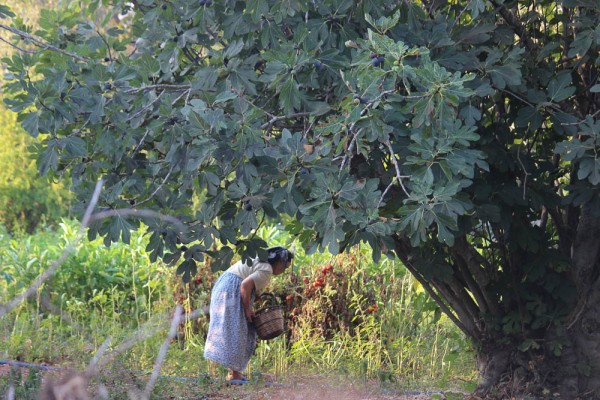
Kas to Fethiye is only a couple of hours and while many tourists enjoy selecting their fish from the local fish market and having it cooked at the restaurants alongside, we thought that fell flat and instead loved our time at Karakoy – about 15 minutes over  the hill from Fethiye in the prettiest of valleys.  Once again it is rural and peaceful, yet full of delicious fare, with gardens bursting with the fruit and vegetables of the season.  Villa Rhapsody is a wonderful haven and the food worthy of having a relaxed dinner “in”, sitting out by the pool. I am still dreaming of the yoghurt soup and will hopefully have the recipe to share very soon.
Fig gathering (1 of 1)
You probably cannot visit Turkey without a trip to Ephesus (many would say Cappadocia and Gallipoli as well), and for very good reason.  Looking at architecture that is thousands of years old and hearing the history, certainly puts life into perspective.

tabby cat ephesus

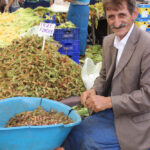
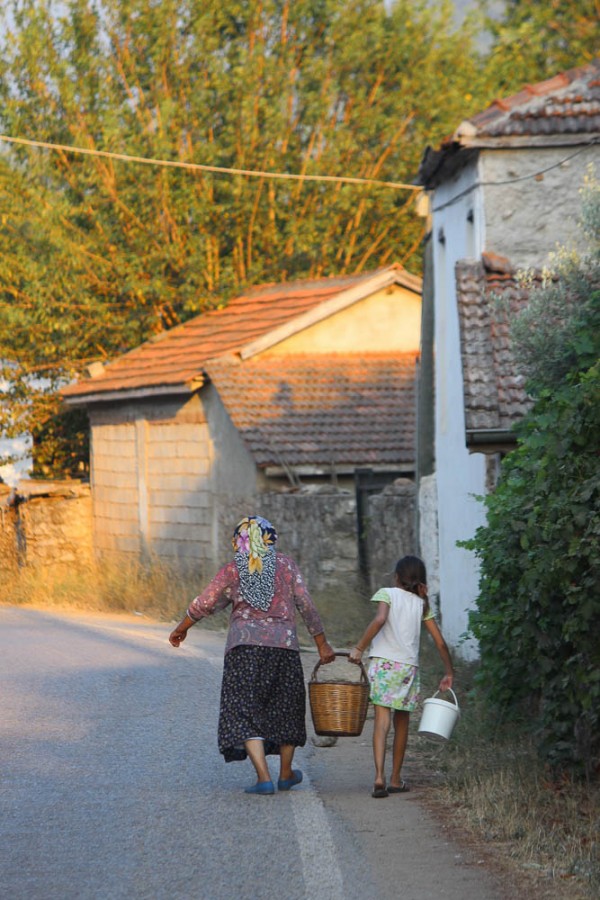
About 40 minutes from Selcuk (Ephesus nearest town) is a small hillside town Tire, that is famous for its Tuesday market that seems to take up most of the town centre. Set in steep narrow cobbled streets, you wander through quantities of fresh and dried produce to cottons and linens and household essentials.  Tourists here are a rarity and photos a delight, be prepared to show your screen to those whose faces your capture.  The people here are some of the nicest we have met and that is saying something as we both agree that the Turkish people all along the way have been extraordinarily generous,  warm and friendly.
Peppers Tire Turkey (1 of 1)


Our taste of Turkey was small but extremely memorable and has been a stand out holiday for both us

Figs Fethiye Turkey (1 of 1)


A few of our favourite recipes include; (and yes there will be more)

Warm Hummus

Turkish Shepherd’s Salad

Turkish Revani Cake


Recommended Places to Eat and Sleep
Orient Express Hotel, Sirkeci, Istanbul
Meze by Lemon Tree, Istanbul.
Hideaway Hotel, Kas
Onur Pide, Tire  (ph 512 17 99)
Villa Rhapsody Kayakoy
Hotel Nilya, Selcuk
Selcuk Koftecisi, Selcuk (way better than any hotel food and such a bargain) Open for lunch and dinner.
Ciya Sofrasi, Kadakoy, Istanbul (pay for meze plate by weight and select meats of choice)  Open for lunch and dinner.

Has anyone else got any Turkey tales to share or planning a holiday?

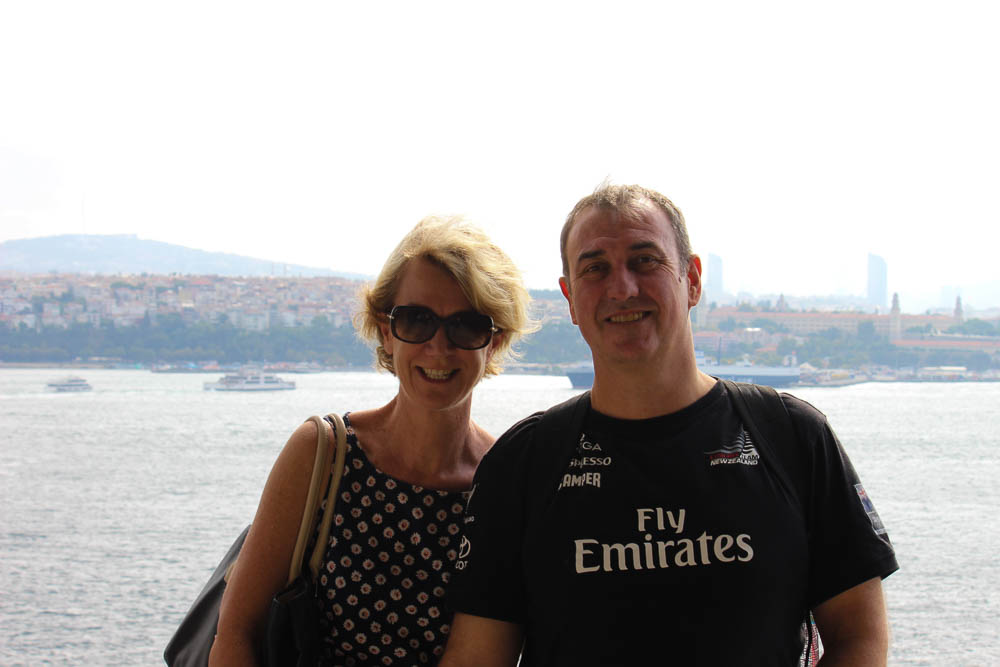
Me and the Turk :)Helen Jackson (1 of 1)

Perfect Baklava

baklavaSometimes in life, and not very often, you get to taste something that is so perfect that the moment stays with you forever and maybe you will never be able to replicate it again.
Most recently for me it was a piece of baklava.  I have long held a passion for baklava, have made it myself a few times and will search it out when visiting Middle Eastern food stores.  In recent years the obvious use of vegetable shortenings instead of butter has been disappointing as manufacturers move to economy not purity.
Day 2 of our recent trip to Turkey was spent with Olga from Delicious Istanbul on a walking food tour of Kadakoy (the Asian side of Istanbul).
Olga is extremely passionate about quality produce and good food so we were in exactly the right hands to taste the best that Kadakoy has to offer.  The nuts, fruit, fresh sardines, Turkish delight and more will all go into another story but it is the taste of perfect baklava that this is about.
While baklava is of course from Turkey, specifically it is a city in the East of Turkey, Gaziantep, that is famous for baklava.  It is no coincidence that the highest quality pistachios are also grown here and used extensively in baklava, along with sheep’s milk butter, delectable fragrant honey and hand made filo pastry.  The art of this pastry making, it is said, takes 20 years to perfect.
While this trip didn’t allow a visit to Gaziantep (next time), there are a sprinkling of baklava makers in Istanbul who have come from Gaziantep and Bilgeoglu in Kadakoy is one of them.  The shop is run by at least two generations of male members of the family and baklava making is their craft (you can also purchase bags of fresh pistachio nuts from Gaziantep).
As instructed by Olga we stab our baklava with a fork until all of the layers are penetrated, pick the entire piece up and turn the fork upwards so that each bite takes in all layers of the baklava.
The combination of crisp buttery pastry with the sublime crunch of pistachios and the sweet honey syrup that goes straight to your head is unbelievable.  I know that I am eating something so good an so pure that this moment is precious and maybe one that will never happen again.
It was my one (well actually two) pieces of baklava that we ate in two weeks travelling Turkey.  I dare not try another piece for fear of disappointment.
I am not even going to try to emulate the recipe and for this reason there is no recipe here to share.
I will instead savour and store the moment.

Do you have precious food moments to share, when you too have tasted something so good that you know it may not ever happen again?


August

I am currently eating my way around Turkey and look forward to coming back with fresh inspiration and recipes to share here.
It is quite a signifcant trip, a celebration of a decade birthday and our first real holiday together without children. 
Once we get back it will only be a few short weeks until we see the first of the NZ asparagus and spring is almost in the air!
I do have good intentions of writing our newsletter from afar but if I get caught up then there will be a little break.
Happy Cooking!

Urban Chicks – Renee Lang

SONY DSC


In light of the publicity surrounding free range hens (or not) at present, I am once again weighing up the pros and cons of hens in the city.
This in turn made me think of Renee Lang, champion to hens (also dogs) and co-author of Urban Chicks.
Renee has kindly shared with us some of the practical aspects of raising hens from Urban Chicks, which I am sure will be valuable information for those taking the step into hens.
Thanks to Claire Gummer, Auckland chook keeper extraordinaire, who contributed her knowledge to this.

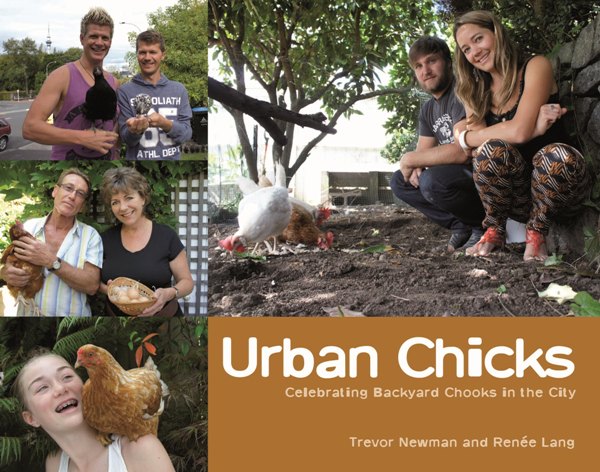
From Urban Chicks by Renee Lang and Trevor Newman, Renaissance Publishing, 2012

Creating a Haven for Chooks

chicksGallus gallus domesticus your urban chick may be, but she’s still a wild thing. Give her things that the other garden birds like: room to scratch and take a dustbath, access to a bit of greenery, even small invertebrates to snack on.

Like almost everything, poultry-keeping is subject to rules, available on your council’s website or if you ask. These are very specific, including maximum flock size, minimum space, distance from the boundary or ‘occupied buildings’, and cleanliness. Make yourself familiar with them – many are thoroughly sensible – even if your urban chicks choose not to observe every letter of the law.

Cultivate relationships with your neighbours (who may hear a bit more noise when the backyard poultry parties start up), other chicken keepers (through classes or online forums) and, if possible, a vet who knows about chooks (they’re rare birds). Get to know your chickens: hang out with them; they can be very soothing. Learn how to hold them, and do it from time to time. That’s less soothing – they may not like it – but it’s a good habit, helping you to check their health and welfare.


Chicken Checklists

Chook-cessities: the must-haves for hens

Space – allow about 1m2 per hen for the entire run including henhouse (less, if you like, for bantams). Make sure the run offers shelter from the sun and places to take a dustbath.

Henhouse – to keep the weather out, especially in winter, but allow some airflow. It can be purpose built (look through chook books listed on page XX for a range of options) or pre-loved, like the retired bus shelter used by one enterprising chicken-keeper! The construction should allow each hen room of at least 40cm2.

Nesting box – in a nice dark corner of the henhouse, but still accessible by you. This is where they’ll lay their eggs, should they so choose.

Roost – for perching on at night. Allow at least 15cm per hen.

Litter – wood-shavings/sawdust (untreated) or similar to line the henhouse floor, and sometimes the rest of the run, especially in winter.

Drinking water – plenty, fresh, in a clean container, preferably off the ground (above three Ds that chickens do: dirt-scratching, dust-bathing and defecation)

Barriers – between chickens and beloved garden or dangerous predators (next-door-but-one’s precious puss, the cute puppy from across the road). If they’ll keep the voracious sparrows out, even better. Any one of these creatures can be quite determined to get on the wrong side of the fence.

Commercial poultry food – layers’ mash or pellets for hens that have come of age (point of lay and beyond); grower feed from 7–16 weeks; chick crumbs for those aged up to six weeks. It may only be chickenfeed but it’s scientifically formulated with the right stuff and should be the bulk of what your girls eat each day. However, people have fed chooks less formal fare since Adam was in nappies.

Grit – leave ground oyster shell (separate from food) for your hens; they’ll help themselves, and the calcium will help their eggshells.

Company – hens aren’t hermits, so don’t force them to be lone rangers. Even two constitute a flock. Local councils will often allow up to six.


Chick-cessories: things that go well with hens

A composting system for your garden, to make use of that amazing fertiliser!

Straw/garden leaves – they love scuffling around in these looking for things to eat, and straw is good in the nesting box.

Grain, corn kernels (fresh or kibbled) – much appreciated as occasional treats.

Greens – silverbeet, broccoli or cauli heads, lawn clippings, puha, chickweed, wandering willie.

Fruit – scrunched-up apples, tomatoes, berries, split cucumbers or marrows, melons, capsicum seeds.

Invertebrates – worms, earwigs, moth larvae, crickets, snails (though some spoilt city hens require them pre-squashed), even wetas and failed monarch chrysalises. Leave a large rock in the chicken run for a few weeks, then overturn it; the chooks will have a field day!


The Maybe Nots

‘Foods’ to avoid – undigestible kikuyu or couch grass, too much oxalic-acid-rich vegetation, raw potato, nightshade, buttercup.

Males – there are reasons why some towns have bands of outlaws in the form of roving roosters. They are ‘let go’ because they don’t lay eggs, they’re not always friendly, neighbours may not appreciate the wake-up calls, and the council is unlikely to approve of them.

Rats – they like a nice neighbourhood with amenities including food outlets (your chicken run, feed containers and compost bins). If they move in, evict them.


Choose Your Chooks

Most of the people in this book have entered very successful relationships with chickens by adopting any they found available. All the same, you may like to think in advance about what sort you’d like in your backyard. They’re not like the self-invited sparrows; you have a choice.


Ages and Stages

Point-of-lay pullets, at 16–20 weeks, are the easiest to look after from the outset. But you may enjoy older hens rescued from cage life – you’ll see them blossom as their feathers regrow and they learn to be real chooks, and despite being labelled ‘end of lay’, they will produce eggs. Other options include fertilised eggs (in an incubator), day-old chicks (with carefully distributed and monitored warmth), or older chicks, some of which could become roosters. Any chickens younger than point of lay are higher maintenance, but very rewarding to raise. They offer a great opportunity for children to learn and bond with other living creatures. So do the older, wiser birds.

Breeds to Love

These are loosely categorised below according to characteristics that urbanites look out for. The cradle to table trajectory is not a consideration, so if you’re intent on a commercial operation raising broilers, it’d pay to look elsewhere. In breed descriptions from suppliers, look out for chicken-keepers gobbledegook such as ‘docile’, ‘flighty’ and ‘lazy’ (indicating temperament). Plumage patterns can have interesting names like ‘spangled’, ‘splash’ and ‘ laced’. Seek out some of the ‘chook books’ listed on page XX for more information. Please note: individual chickens may vary.


All-Rounders

They look and behave like garden-variety chooks. They’ll lay; they may mother; and more:

Australorps (see Egg Manufacturers below)

Barnevelders – ‘good natured’ birds that make good pets, says one supplier. This Dutch breed lays dark brown eggs, but has a reputation for laziness.

New Hampshire Reds – they’re good layers, with plumage a lighter shade of brown than the Rhode Island Reds from which they’re developed.

Orpingtons – big, fluffy birds that won’t fly far and are quite friendly. Colours range from ‘Buff’ (a beautiful orangey gold) to Black.

Plymouth Rocks – the ‘Barred’ type has beautiful dark grey and white patterning. Many people choose these birds for their backyard.

Rhode Island Reds – friendly, curious. Their plumage is a glossy, rich brown with a little iridescence.

Sussex – the Light Sussex is the most widely available of these and very popular, white with a black (‘Columbian’) collar and tail feathers. She lays tinted (off-white) eggs.

Welsummers – another Dutch hen developed in the twentieth century, with plumage that’s a colour mix called Red Partridge. One major plus is that they don’t go broody.


Clucky Mums

If you have a single nest, and one hen hogs it in the vain hope that she’ll hatch chicks out of those unfertilised eggs, broodiness is a bother. But if you want chicks of your own, it can be the best thing since eggs benedict. Incubators and constant care from a handy human are all very well, but hen-and-chick bonding is special to see.

Orpingtons (see above)

Silkies – not great layers, but wonderful mothers (good with children, too).

Wyandottes – Silver-Laced and Gold-Laced varieties are gorgeous, good layers, and good mothers.


Egg Manufacturers

Is your daily egg what matters most? Backyard flocks are seldom subjected to the rigorous routines that make for productivity all year round, but consider the following, all bred as efficient layers.

Australorps – these iridescent black Aussies have the attributes of Orpingtons (to which they’re related), with great laying power.

Leghorns – elegant lines but a big, floppy comb. They can be a bit jumpy and loud (‘sprightly’, says one authority) but they’re wonderful layers. White ones produce beautiful white eggs.

Shavers – not a breed, but a commercial hybrid, these are the chooks you’ll most commonly see and whose eggs you’ll likely get from the supermarket. They’re made to lay, but will appreciate life outside a cage.


Novelties

So you’re after something far from common: a talking point, a living ornament, a show-stopper or a bird with an exceptional CQ (cuteness quotient)… You’ll find it – whether chic chick or handsome hulk – among the following.

Araucana – more feathers on the head and face than your common-and-garden chook, and beautiful green or blue eggs. Loves her greens. The ‘Lavender’ (grey) is a real looker.

Bantams – almost any breed has a miniaturised or ‘bantam’ version but ‘true bantams’ (a breed in their own right) are also available, of which the Pekin is a popular example.

Faverolle – a sturdy-looking bird, quite rare in New Zealand, with feathers in interesting places. ‘Salmon’ is a lovely colour.

Frizzles – a half-washed or ‘dragged through a bush backwards’ look, with feathers curling up towards the head. Some people view Frizzles as a breed, but any breed can hatch the odd ‘frizzled’ chook.

Old English Game – all the game breeds were developed as fighters. These are handsome birds, but you may want to limit your choice to the Bantam type.

Silkies – their feathers are soft and furry (please protect them from the mud and wet) and they wear amazing headgear. They make great pets.


Chook Books

Selected useful guides and interesting information. If selecting breeds, it’s best to use a source from your country, as not all international breeds are available everywhere.

Care and General Information

Chicken – Annie Potts, Reaktion, 2011. A fascinating little book of natural and unnatural history, written by a Kiwi.

Choosing and Keeping Chickens – Chris Graham, Bounty, 2007. Published in association with Britain’s Poultry magazine.

How to Care for Your Poultry – Nadene Hall & Sue Clarke, New Zealand Lifestyle Block, 2010. Comprehensive, inexpensive, and written for New Zealanders. Note, though, that the section called ‘How to Dress a Chicken’ is not haute couture for urban chicks.

Keeping Chickens: An Australian Guide – Nicholas Brasch, Penguin, 2007

Your Chickens: A Kid’s Guide to Raising and Showing – Gail Damerow, Storey, 1993. From possibly the most prolific of poultry book publishers.

http://yourpoultrynz.blogspot.co.nz/ (NZ Lifestyle Block magazine blog)

www.eggfarmers.org.nz/keeping-your-own-hens.asp

www.feedmeright.co.nz/pdf/OrganicNZ_BackyardChooks.pdf

www.lifestyleblock.co.nz/lifestyle-file/livestock-a-pets/poultry.html – this NZ site free-ranges from hen society to setting broody hens

www.mypetchicken.com

www.nrm.co.nz/pdfdownloads/NRM-ChookBook-0412-1.pdf – a free and comprehensive care guide produced by a New Zealand feed company.

www.rarebreeds.co.nz/chooks.html – Rare Breeds Conservation Society of New Zealand

RD 1 – from back issues of New Zealand Lifestyle Block magazine, these down-to-earth articles include a ‘Sick Chicken Checklist’ and ‘Why Did My Chicken Die?’

SPCA – brief information on welfare.

www.urbanchickens.org

 Chicken School

The courses on offer are less regular than your daily egg, but here are a few. Do some digging online, or ask at your local high school for evening or weekend classes.

www.greenurbanliving.co.nz – Hawke’s Bay landscape architect Janet Luke’s range of courses includes chicken-keeping, and she has a free online booklet.

www.mountedenvillagepeople.co.nz – workshops include ‘Keeping Chickens in the City’.

www.leisuretimelearning.co.nz – their adult and teen community learning includes classes on urban chicks.


Forums on the Web

www.backyardchickens.com

www.poultrycentral.co.nz – New Zealand’s own, with a diverse flock of chicken-keepers who won’t judge you for being a newbie.


Interesting Individuals, Clued-up Companies

Frugal Kiwi an enterprising migrant incorporates chicken-keeping in her new green life.

www.animalsanctuary.co.nz – adopt rescued birds, or donate.

www.chickensathome.co.nz

www.chickensbydesign.co.nz

www.eggventurous.blogspot.com – life with Alice, Amelia, Emmeline, Henemoa, Vanessa, Victoria and others.

– a South Island-based business.

www.incubatorsnz.co.nz – equipment for raising and keeping poultry.

www.omlet.co.uk – chicken coops to die for (though not literally), and more.


Genevieve’s Seafood Mousse

Genevieves

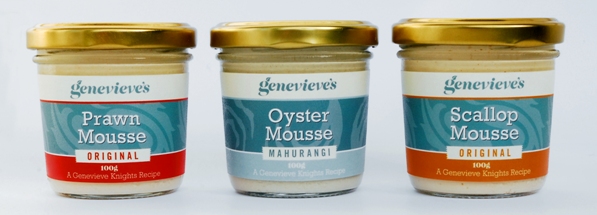
Enjoy the fresh flavours from the sea with a new range of premium seafood mousse from Genevieve’s.
Genevieve Knights is an Auckland based chef, food writer and food photographer who started cooking professionally from only seventeen. Genevieve’s motto has been to gain the best experience possible by working for those at the ‘top of their game’ including The French Café, Wheelers Restaurant and Austin’s Catering. Genevieve has combined her skills and experience and created a popular food brand and specialist pâté producer called Genevieve’s, who has rebranded from Genevieve’s Cuisine. Her latest products are a range of Seafood Mousse.


The three flavours in this new range – Prawn, Scallop and Oyster Mousse, are completely preservative and additive free. For the Oyster Mousse, Genevieve is very pleased to be collaborating with Mahurangi Oysters to create a spread rich in texture and flavour.

Handmade in small batches using a similar method to the existing chicken and duck parfait range, Genevieve’s Seafood Mousse are twice baked with two different times and temperatures which creates a sterile environment inside the jar and provides a useful, lengthy shelf life. This research and cooking system won Genevieve’s the R & D Awards at last year’s Auckland Business Awards.

Genevieve’s has re-branded from Genevieve’s Cuisine with a new logo. Genevieve says “The seafood selection is branded in blue to represent the sea while our other products from the land will remain branded in green”.

If you are looking for something special to serve your guests for lunch or pre-dinner drinks, look no further. With a delicate, soft, spreadable consistency and subtle flavours, the Seafood Mousse range can be enjoyed with artisan breads and a selection of crackers. Enjoy all three with Sauvignon Blanc, Pinot Gris or Champagne; and the Oyster Mousse is a match made in heaven with a quality Chardonnay.

Genevieve’s Seafood Mousse are available in Prawn, Scallop and Oyster (RRP $9.99). Available at Farro Fresh stores and participating New World and Fresh Choice supermarkets nationwide. For more information, visit www.genevievescuisine.com.

Amisfield, Food and Wine Stories


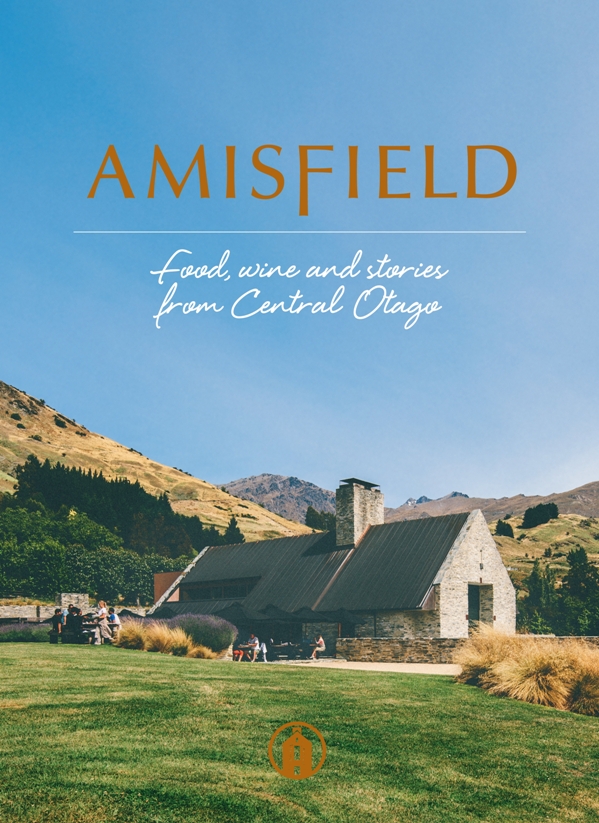
Amisfield coverHot off the press is Amisfield, Food and Wine stories from Central Otago  Lovers of good wine will be familiar with the Amisfield Pinot Noir and aromatic white wines, while travellers to Central Otago would seldom leave without stopping at the multi award winning Amisfield winery restaurant, perched on the rise above Lake Hayes only a short drive from Queenstown and Arrowtown.
Amisfield the book, embraces both the Central Otago history, the winery and of course their stunning fare that makes Amisfield a popular destination for both travellers and locals.
With 100 of their signature recipes to share, it now means that those of us who pine for duck rillette with pinot cherries, Stewart island salt cod brandade and Goat’s cheese agnolotti, to name but a few, will now have the chance to reproduce them in our own kitchens.

English muffins from the Bread and Bakery chapter are top of my list to try followed pretty closely by the citrus souffle and beef cheeks below.
Whether you are a passionate cook or someone who appreciates beautiful books, Amisfield is certainly worth adding to your collection and an ideal book for a quiet weekend afternoon in a cosy chair.

For a chance to win one of two copies of Amisfield visit our win pages.

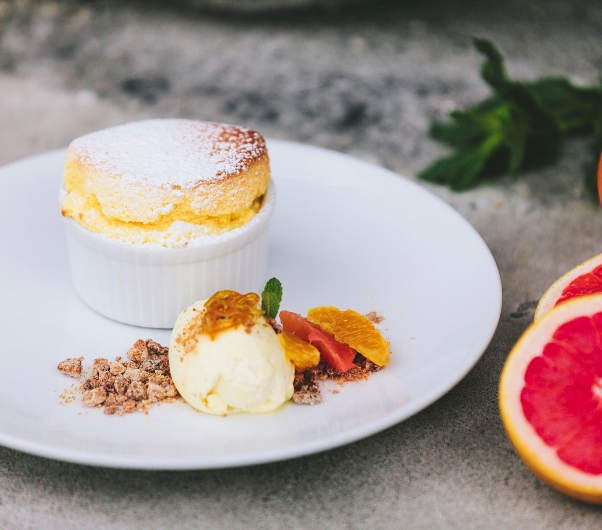
citrus souffle, whipped mascarpone, roasted white chocolate

Serves 10

Citrus soufflé AmisfieldThis is a simple, light dessert that is best served the day the soufflé batter is made.
The roasted white chocolate adds a crunchy texture and caramelised flavour to the soufflé, and the whipped mascarpone is a cooling addition to balance with the hot dessert. We like to serve this dish with freshly segmented grapefruit and orange, and garnish it with mint.

Roasted white chocolate
200 g white chocolate
Citrus soufflé
butter and sugar to prepare ramekins

60 g butter
60 g flour
100 ml lemon juice
100 ml orange juice
zest of 2 lemons and 2 oranges
8 large eggs, separated
90 g sugar


Whipped mascarpone

200 g mascarpone
¼ cup lemon juice
zest of 1 lemon and 1 orange
1 tbsp sugar
½ vanilla pod, split and seeds scraped

To serve

grapefruit and blood orange segments
1 handful of mint leaves
icing sugar for dusting

For the roasted white chocolate

Preheat the oven to 150ºC.
Melt the white chocolate in a bowl over a saucepan of simmering water. Pour the melted white chocolate into a small, shallow roasting pan and bake for 5 minutes.
Remove the chocolate from the oven, give it a stir, then return it to the oven for another 5–10 minutes, occasionally pulling it out to stir.
Allow the chocolate to reach a dark golden colour before cooling at room temperature. The chocolate will have a crumbled texture.

For the soufflé
Preheat the oven to 190ºC. Grease 10 ramekins with softened butter and dust them with sugar. Be sure not to leave any surfaces uncovered as this will prevent the soufflé from rising evenly.
Melt the butter in a saucepan. Add the flour and whisk until combined. While whisking slowly, add the citrus juices and zest to the pan over the heat. Cook until a thick paste forms, then take off the heat.
In a large bowl whisk the egg yolks and sugar together rapidly by hand until light yellow. Whisk in the butter and flour paste and set aside.
Whip the egg whites in a stand mixer fitted with a whisk attachment on high speed until stiff and white. Fold the whites into the citrus mixture and immediately spoon into the prepared ramekins.
Bake for approximately 15 minutes at 190ºC. Reduce the oven temperature to 175ºC and cook for a further 5–7 minutes until the soufflés are golden brown.

For the mascarpone

Place all the ingredients in a stand mixer fitted with whisk attachment and whip on high speed for 5 minutes until fluffy. Then pass the mixture through a fine strainer to make a smooth cream.

To serve

Spoon some of the chocolate onto the plate, top with whipped mascarpone, and garnish with grapefruit and orange segments or any fruits that are in season, and mint. Place a napkin or serviette on the plate where the soufflé will sit. Dust soufflé with icing sugar and serve immediately.


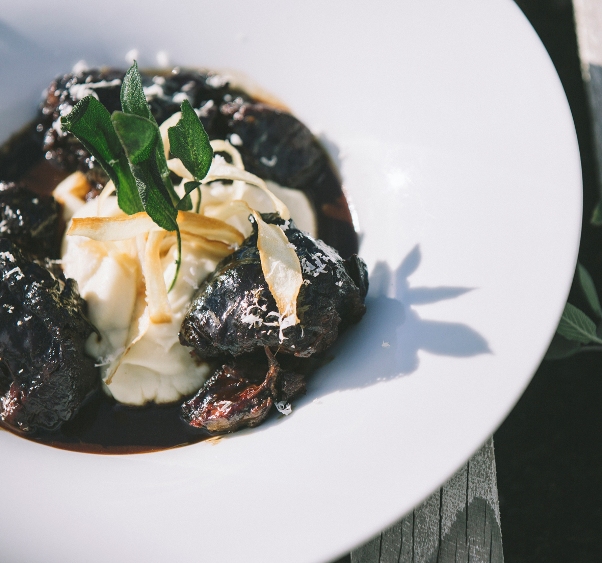
Braised beef cheeks, celeriac purée, crispy parsnip, sage, grated horseradish
Braised Beef Cheeks from Amisfield
Serves 6

We grow horseradish in the Amisfield garden – there’s nothing like it. Make sure the oven is hot and baste the cheeks frequently at the end to ensure that lovely dark stickiness.

Braised beef cheeks
1.5 kg beef cheeks
salt to taste
2 onions, roughly chopped
2 carrots, roughly chopped
2 celery sticks, roughly chopped
250 ml Amisfield pinot noir
1 bunch of thyme sprigs

Celeriac purée
2 heads of large celeriac, peeled and cubed
1 handful of thyme sprigs
200 ml water
juice of 1 lemon
100 ml olive oil
salt

Crispy parsnip
1 litre canola oil for deep-frying
1 parsnip, peeled
To serve
crispy sage leaves (see page 272)
freshly grated horseradish to taste

For the beef cheeks
Prepare the cheeks the day before.
Preheat the oven to 90ºC.
Season the beef cheeks with salt and brown them in a frying pan. Do this in batches so you don’t overcrowd the pan. Put the browned beef cheeks in a deep roasting pan.
Add the onion, carrots and celery to the frying pan and cook for 3 minutes on medium heat. Place the vegetables on top of the beef cheeks.
Take the frying pan off the heat and add the wine. Return to the heat and bring to a simmer for about 2 minutes. Pour the wine into the roasting pan, and add the thyme. Add enough warm water to just cover the beef cheeks and cover with baking paper and aluminium foil. Place in the oven for 12 hours.
The cooking time can change depending on the size of the cheeks. You want the cheeks to be tender but not completely falling apart. Once the cheeks are cooked remove from the oven and rest them in the braising liquid at room temperature until cooled. Remove the cheeks from the liquid and cool in the fridge. Once the cheeks are completely chilled, cut in half lengthwise.

Preheat the oven to 200ºC.
Strain the braising liquid into an ovenproof pan large enough to hold the beef cheeks. Reduce by a third, skimming the fat off the surface as it reduces. Add beef cheeks and place in the oven for 20 minutes, or until the liquid has reduced to a sticky glaze, basting every 3–4 minutes.

For the purée
Preheat the oven to 150ºC.

Place the celeriac, thyme and water in a roasting pan, cover with aluminium foil and cook for 1 hour. Remove the foil and return the pan to the oven for another 30 minutes. Remove from the oven and pick out all the thyme.
Transfer the celeriac to a blender with the lemon juice and blend. With the motor running, drizzle in the olive oil. Season with salt. Pass the purée through a fine mesh sieve.

For the parsnip
Heat the canola oil in a saucepan to 180ºC.
Peel strips of parsnip in long ribbons until you reach the core. Fry in batches until golden brown and then drain on paper towels to absorb the excess oil.

To serve
Place the celeriac purée in the centre of the dish, place the beef cheeks around the purée and carefully pour on the glaze so as not to cover the purée. Garnish with fried parsnip, crispy sage leaves and freshly grated horseradish.


Crispy sage leaves

50 g butter
1 handful of sage leaves

Heat the butter in a frying pan over medium heat until the milk solids turn dark brown, creating a deep caramelised flavour and colour.
Crisp the sage leaves in the brown butter and drain on a paper towel.

Recipes shared with permission.
Amisfield, Food, wine and stories from Central Otago.
RRP $60