Attack Of The Pine Mouth

Virgil Evetts

It started off so well, one of those effortlessly lovely warm-weather meals. Pan-fried gurnard, fresh tomato sambal, gently sautéed slices of Perla new potatoes (more on them here), and a generous sprinkling of milky, sweet pine nuts.

And thus began four bitter, bitter days – as in everything I ate and drank tasted appallingly bitter and rankly medicinal.  Ever the optimist, I assumed the universe had simply grown tired of merely cuffing me and had seen fit to dismiss me altogether with a wee stroke or perhaps a touch of the old brain tumour. But, just in case, I decided to indulge in a little web-based self diagnosis.  After about a day of increasingly jittery clicking I established that I was almost certainly not dying, but I almost certainly did have a case of the absurdly named Pine Mouth. I kid you not.

Around a decade ago Doctors in Europe and the United States started seeing cases of otherwise-healthy people reporting an unpleasant bitter taste whenever they ate or drank. The effect lasted from a few days to almost a month. The only common factor among the cases was that the subjects had all consumed pine nuts around 24 hours before the symptoms began.

As the plot thickened it also became apparent that the pine nuts in question were exclusively of the low (ish) cost Chinese kind. It’s a little-known fact that China is one of the world’s largest producers of pine nuts, and until a decade ago, without incident.  So what gives? What happened to Chinese pine nuts 10 years ago? The most obvious answers- pesticide contaminations and rancid nuts – were both quickly ruled out as possible causes. The most popular and plausible current theory (as yet unproven), is that around 10 years ago Chinese growers started adulterating (quite possibly unknowingly) their harvests with a small percentage of a previously untargeted species of mildly toxic pine nut.

There is some evidence to suggest susceptibility to the condition may be hereditary, and even then appears to be highly random. The majority of Chinese pine nuts – fresh or stale – will not cause Pine Mouth. Interestingly though, despite thousands of reported cases (and undoubtedly many more undiagnosed) of Pine Mouth, neither the Chinese pine nut industry nor wholesalers worldwide have  shown much interest in stopping the problem, or at least identifying the cause.  Fortunately, European pine nuts (pinus pinea) do not cause Pine Mouth;  unfortunately they are hard to find and are heinously expensive. Never the less, in lieu of some pretty compelling persuasion, I won’t be taking the risk with the Chinese product again.

On a lighter note: now that my sense of taste is about 95% restored, I’m very much looking forward to Taste of Auckland 2010. This event, held at Victoria Park from November 18th to 21st is effectively (and quite smartly, I think), a hybrid of an expo and a food and wine festival, and features the edible and quaffable wares some of the region’s finest food producers, restaurants and wineries.

A number of things about Taste of Auckland appeal to me:

It’s at Victoria Park, a lovely and a woefully underutilised venue.

I missed the Food Show this year, so this should satisfy my grabby need for free samples.

Most Food and Wine festivals are held in high summer when it’s too bloody hot to be outside, and too bloody easy to get sozzled.

What’s not to like?

To win tickets  to Taste Auckland click here.
Foodlovers In Season: November

Virgil Evetts

In Season is a new monthly feature, bringing you up to date with the best of local and imported seasonal produce available in the coming month. In Season will be an evolving feature, so we invite your feedback and suggestions.

In agricultural circles, November is known as one of the hungry months, meaning it falls between the end of the winter produce season and the commencement of the various summer gluts.  But what November lacks in variety it certainly makes up for in sheer quality. Continue reading

Fervent Anticipation

Virgil Evetts

Is it just me, or is it shaping up to be an unusually good spring on the food garden front? Everything just seems that little bit more verdant, lush and bloom-laden this year.  I’ve not yet checked Met Office charts against the same period last year- mostly because I’m a busy boy and that’s a bloody a boring thing to do, – but I suspect it’s been warmer than last year, and I think the haste with which my bees went all swarm-happy would back this up.

My Cox’s Orange Pippin (apple) is smothered in shabby-chic coral blossoms, and their lovely apple-rose fragrance is wafting into the house as I write. I’ve been pleased to see my bees spend a good deal of time patronising these, which will no doubt help with fruit set, and hopefully produce some tasty honey too. Not that the tree needs much help with fruit set; in fact I will have to steel myself for a bit of crop thinning soon.  In the last few years my greed for copious volumes of apple wine, coupled with the tree’s tendency toward OTT benevolence, has led to biennial cropping. I hope I can break it of this tedious carry on.

My Seckle Pear, planted two years ago, appears to have set its first few fruitlets. Seckle (AKA Honey Pear) is a small but gorgeously sweet pear, with a buttery texture and spicy, perfumey flavour. I’ve been quietly obsessed with  Seckles since I tried them at a market stall in Verona (Italy). When a well-travelled friend told me that the best kept foodie secret of Verona was a pear I scoffed , not being terribly fussed either way about pears, and sure that beautiful city has more to offer on the food-front. It turned out they were absolutely right. Although I’m sure the general coolness of eating the pears on the steps of a two-thousand-year-old amphitheatre seasoned them with atmosphere, these were quite stupendous fruit by anyone’s reckoning. If you happen to be in Verona in autumn (and who isn’t?), these pears are not to be missed. For everyone else, why not plant one? The Seckle has some other great tricks up its sleeve too: it’s self-fertile (almost unheard of in pears) but serves well as a pollinator for any other pear with synchronised blossoming; and it forms a relatively small tree (compared to the General Sherman-like tendencies of other pears).  But I shouldn’t get too excited just yet. The universe is ever listening and seems to take pleasure in punishing me for plant-related boasting.

It must be a good year for brambles in Auckland, because like Helen, my boysenberries and raspberries are covered in flowers. The latter are thuggishly annexing one corner of the garden from the grasp of their various plot mates – most notably a redcurrant bush. Fortunately currents don’t mind a bit of shade, and my bush looks set to fruit well regardless of its neighbour’s lebensraum sense of entitlement. Redcurrants don’t really taste of much, but with their tart juiciness are refreshing and implausibly pretty. Even my usually reluctant blackcurrant is flowering well this year, which is just as well really as I’d all but signed its death warrant.

My peaches are covered in fruit, my gewürztraminer vines are an unprecedented a froth of flowers, and my misi luki banana is sporting magnificent flowers spikes.  I don’t like to count my chickens before they hatch, or my fruit before it falls, but so far this season, so bloody good!

Eastern Accents- Herbs With Verve

Virgil Evetts

Last week I talked about my favourite common summer herbs. Among other things I urged caution when tempted by the many plants presented as herbs by garden retailers these days. For most of us garden space is at a premium, so why fill it with plants you either can’t eat at all or wouldn’t really want to, right? However, to borrow and corrupt an old botanical metaphor, there is still a bit of wheat among the chaff that is exotic herbal miscellany. Continue reading

Herbal Summer

Virgil Evetts

When I was small, my mother took a part-time job packing herbs for what was at the time New Zealand’s only boutique herb (and spice) importer, Ma Hellion. The shop was close to my school, so I’d often stop by on the way home, ostensibly to see mum, but also to sniff the herbs. Yes, I was a weird kid, just ask anyone. Nothing flicks the nostalgia switch for me like fragrance, and whenever I smell dried herbs today, I straight away think of that dusty and stupefyingly scented shop. Continue reading

Blue Tick, Tick, Tick

Virgil Evetts

The following are some of my least favourite arguments against eating meat.  Included are my standard responses. Hopefully this will save us a bit of time and effort later on.

  • ‘Eating animals is cruel’: Come on, really? Nature is cruel. Get over it.
  • ‘You have no right to take the life of another animal’: Yes I do. I’m an omnivore; I’m designed to consume flesh. I have both right and motivation.
  • ‘Eating animals makes you a murderer’: No, killing another person makes you a murderer. (The jury’s still out on killing dumb-dumbs though.)
  • ‘How would you like to be kept in a cage, awaiting your death?’: Obviously I wouldn’t like that much at all, because I’m a fully self-aware organism . Most free-range or open-farmed animals in all probability have no concept of their captivity, let alone the finality of their situation. You are confusing farms with death row. I hasten to add that the same cannot be said for factory-farmed cattle, crate-raised pigs or battery chickens.

And so the naivety goes on, and my interest in engaging dwindles.

The thing is, I know that my opinions are just MY opinions, but as is rather de rigour with agitators in general, animal-rights campaigners tend to regard their opinions as absolutes. I don’t believe in absolutes: there is simply what you believe and what other people believe.

I firmly believe that it’s ok to eat animals, but take the ethical provenance of any meat I consume very seriously.  In other words, I do not believe that it’s ok to eat factory-farmed pork and chicken, nor battery-farmed eggs. And you better believe I judge you if you don’t agree. But hey, what do I know?

This week sees the official launch of the RNZSPCA Blue Tick animal welfare accreditation programme, for providers of cruelty -free egg and meat products. I like the RNZSPCA – well who doesn’t?  I particularly appreciate their realistic approach to commercial animal welfare. They don’t judge meat eaters – nor farmers for that matter. They provide guidelines for humane farming practice and animal husbandry. This is infinitely more constructive than ‘liberating’ chickens and hurling abuse at anyone who enjoys a crispy rasher or two. The Blue Tick scheme is a way of identifying producers (with a distinctive Blue Tick, no less) that offer the highest possible level of care and humane treatment to livestock. I trust the RNZSPCA unreservedly, and the Blue Tick now forms the basis of how I choose pork and chicken products. No Blue Tick, no sale. To say that I urge you to do the same is the extent of my animals-rights campaigning here.

On a less preachy note, I went along to the official media launch/brunch for the Blue Tick programme, held atop the Hyatt Regency in Auckland the other day. Keynote speaker, and the nation’s favourite chefing son, Peter Gordon, talked at length and with some conviction about his personal commitment to ethically raised animal products. Hopefully a patron of his calibre will give serious cache to the Tick. He also designed the not-insubstantial brunch menu, which consisted of various clever ways with free-range eggs, bacon, ham, pork and duck. Star highlights for me were the smoked salmon with ham on a kumara rosti, with a quite-miraculous clear tomato jelly; and crispy deep-fried eggs served with a spicy citrus dressing. The boy sure can cook.

I will leave you now with a rather sobering story PG told about pigs. A group of pig farmers he knows in Spain kept losing pigs from one particular paddock. Convinced that swine-rustlers were to blame, they set up night-vision cameras and waited to pounce. But the cameras didn’t capture any night time raids, but instead revealed some alarmingly clever hams-to-be. The pigs had outwitted the normally impassable barrier that is a cattle-stop. They dropped and rolled. Simple yet brilliant! Thank god chickens, sheep and cows are so blissfully dim.

For more information about the Blue Tick, click here.

Foray into Afghani Cuisine

A few months ago after getting a book out of the library about Afghanistan food and recipes, we had a go at making Afghani bread and a beef kebab. Not having a charcoal grill handy in the kitchen and it being winter, I made the beef into meatballs. The bread worked out well, but after checking some images on the internet, it appears I didn’t do enough dents down my flatbread. What we needed was a baseline to compare our Afgan food to. What is it supposed to be like?

Just up the road from us is a little Afghan restaurant, and we have been meaning to give it ago. Our friend Liz, who has lived for a long time in Pakistan and travelled in Afghanistan, was keen to come and we welcomed her guidance. We decided to try it this week. Karl went in to see if he could book a table, and the guy at the counter said yes and said he would reserve a table for us.

There was a pause and then Karl said “Do you want to take my name?”


“No, no” he replied. “I’ll remember you” and heartily shook his hand.


We turned up at the restaurant the next evening and took our seats. Liz hadn’t quite arrived and from the kitchen came the question;

“Shall I cook for your friend?”


“Yes please.” We replied.

No ordering—we were in the hands of our chef!

So we waited to see what would come to our table. Liz arrived, the kids watched the goings on in the kitchen and then he bought our food over. He had made big plates of seasoned rice and on top were chicken and beef kebabs. We had lettuce with half a lemon as a side dish. He had made smaller helpings for the kids with the side for them as well. So no difficult menu to negotiate. The taste? It was really good. The chicken was charred on the edges but still juicy in the middle. The meat was beautifully spiced but not overly chilli. The beef was tender, delicious and aromatic without being too hot (the kids did find the beef a bit too hot for their tastebuds but not until they had eaten most of it)!

We had heard the bread here was fabulous but unfortunately that night they hadn’t made bread, so another trip will have to be planned if we want to try that. Next time they said just to let them know we wanted bread and they would fire up the big tandoor oven.
Liz taught us Tashakkur – which is thank you in Afghani.
We finished with a cup of green tea and some raisins. Afghanistan used to be known for its high quality raisins and sultanas, a real delicacy. Before the Soviet invasion in 1979 they were one of the biggest exporters of raisins.

It was far from a high class restaurant meal. It was a bit odd, the ambience was a little lacking, but the food was absolutely top-notch, and isn’t that what you go out to a restaurant for anyway? We were sure we were eating the best Afgan cuisine in Christchurch. And I think it’s worth having a bit of an adventure into some of these lesser known places. You have to be a bit brave, but the rewards are worth it when you stumble onto a local gem! We’ll be back!

 Fiona Summerfield

Summerfields Foods
207 Waimairi Road, Ilam, Christchurch

open 11am-7pm Tues – Sat
[email protected]
ph 03 357 0067

Oh Honey!

Virgil Evetts

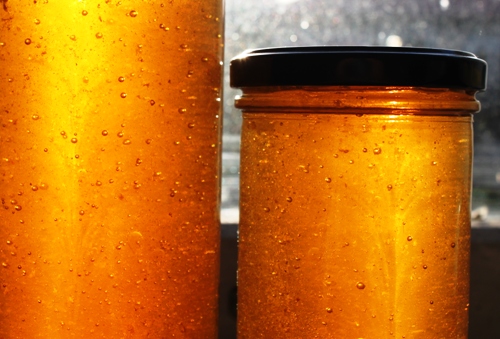
This week, after many months of quiet anticipation, I reaped the first luscious rewards of my life as an urban beekeeper – a staggering 10 litres of perfect golden honey. And I’m told this is a very modest haul…  Now,  I always get a child-like thrill out of producing food “from the land,” but this one seriously took the cake (and will probably end up in more than few). Pure smug, exuberant delight.  My current Facebook status is all about the honey, and I’ve been dishing it out by the jarful to friends, neighbours and anyone else that knocks on the door. Frankly, I think I’ve earned the right to skite. Continue reading

Thanks for all the fish…

Virgil Evetts

Curse the universe and to hell with synchronicity. I had written a lengthy, but on reflection rather dry, piece about the ethics of eating seafood, but then opened the Herald on Wednesday morning to find what was effectively the same article. Only better. So I was thrown into a flurry of re-tooling.  The things I do for your reading ‘pleasure’…

It’s an oft-quoted absurdity and truism that New Zealand, although largely a maritime nation, is not a nation of fish-eaters. Oh sure we can talk the talk, about fishing, about our ‘national love of seafood’, fond memories of  kai moana by the sea, blah blah blah; but when it comes to action most of us don’t stray much further than sporadic F&Cs.  To a certain extent this has applied to me too. My local fish shop keeps very peculiar hours (when I asked what time they closed recently I was told “sometimes six o’clock, sometimes seven, maybe four. It depends…”) and their prices are extortionate even by fresh fish standards. My only other local option is the supermarket which is open pretty much all the time and offers a decent enough variety of fish at passable prices; but the shoddy quality and dubious freshness has until recently been the stuff of local legend. So for quite a few years, buying fish has just been too much bloody bother most of the time and I’ve invariably ended up opting for a nice bit of lamb instead.

But lately, and rather abruptly, the quality and freshness of the fish being flogged at my local supermarket has improved dramatically, putting fish back on the house menu again. 

As a cook I am at my least adventurous when it comes to cooking fish, but not for lack of imagination. Quite simply, it’s nigh on impossible to improve upon fresh fish, so why try? For this reason I believe deep fried battered fresh (or ‘wet’ fish) can be pretty close to perfection. Sadly, really good examples are rare, with freezer-burnt mass-processed hoki and tarakihi predominating. 

For my own return to cooking and eating fresh fish I’ve been enjoying a dish I was practically raised on – fish floured and fried in butter, a quick deglaze of the pan with white wine, served with Pommes dauphinoise and  a fuss-free little salad on the side. It’s old fashioned bistro food ( the sort my mother cooked in bistros back in the olden days), but remains as tasty, smart and pretty as it was way back when..

Thai curries, made from perfectly decent premade pastes, have been  on weekly turn-around in my house for years. Usually I make these with prawns or chicken breast, depending on what’s lurking in the freezer, but just lately I’ve turned my attention to fresh fish. The trick is to drop the fish into the spluttering sauce just moments before serving, leaving the fish only barely cooked and still brimming with sweetness and flavour.  A whole steamed snapper served with sesame and ginger sauce or similar is pretty fine too, but for reasons of grave ethical concern, I no longer partake of snapper. It’s been grossly overfished and needs a rest, or possibly an all-out ban on harvesting.

I can’t categorically say why, as nation we are so reluctant to eat fish (nor why we like to convince ourselves otherwise), but I rather suspect it’s mostly to do with price. Fresh fish is very expensive, but then so it should be should be. It’s almost entirely wild-caught, from an environment that couldn’t be less hospitable to humans. The costs of catching fish and getting it to market are huge – fishermen have to purchase quotas and then fuel, insure, crew, register and maintain ships.  A patch of bad weather can ground entire fleets and cost the industry tens of thousands of dollars. On the flipside one might argue that as rapers and pillagers of the sea, the fishing industry should be scuttled rather than thanked.  You might very well say that…

But as I said at the beginning, this blog is not really about the ethics of eating seafood…not anymore. For more on that see the excellent piece in Wednesday’s Herald.  All I’m going to say on the matter is if, like me, you have neglected fresh fish for a while, then to get thee to the fishmongers  to rediscovers one of life’s true pleasures. But shop responsibly, be informed, and follow this link…

Chipping Away


Virgil Evetts

I’m not a big potato chip person. I’ll nibble on the odd ready-salted morsel or two if you’re offering, but I won’t go out and buy them. This week, however, I have purchased and indulged in chips on an almost daily basis, in the interests of allowing me to cast an informed vote in Bluebird’s, “Do us a Flavour” competition. Truth be known, I’ve give this quite a bit more thought than the Super City elections.

Essentially, the’ Do us a Flavour’ (cute name btw, Mr Bird) campaign invited suggestions for a definitive Kiwi flavour to add the company’s well-loved stable of fried-potato snacks. Winners would receive $20,000 plus 2% share of sales for a year. Nice. The idea is not original – it’s been rolled out in various forms by a number of food producers overseas – but that doesn’t diminish the fact that it’s a damn good idea.

Generally speaking most people like chips, or at least have a nostalgic connection to them. Everyone has strong opinions about what makes a dish or flavour important too. From a marketing point of view these are big, luscious, emotive hooks. Quite genius really.

In recent weeks the four finalist flavours were released for the chip-eating masses to sample and vote for a winner. So the competition –essentially just another form of advertising campaign – has two lives; again very, very nifty.

The finalist flavours are: Butter Chippen, Sunday Roast (the crispy bits left in the pan), Paua Fritters with Lemon Wedges, and Cheesy Garlic Bread.  Now, although I have tried all of them I’m not about to publically attach my affections to my personal favourite until voting has closed, what with my colossal influence over public opinion and all. Anyway, I’m walking a very fine line between opinion piece and free advertising here.

But over all suffice to say I rather enjoyed these new, and in most cases limited edition, flavours. Yes, they have been constructed from barely pronounceable chemicals rather than anything you might keep in your pantry, but they still brought a smile of recognition when I tasted them. Eaten out of context, they’re probably a pretty horrible lot, but the process and thinking behind their creation is so damn cute, that it’s hard not be charmed.

Strawberries Forever

Virgil Evetts

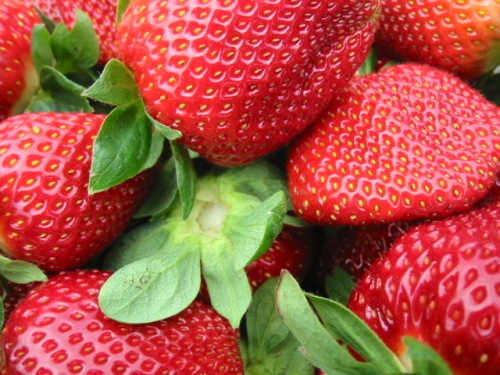
How can John Lennon be 70? Well he can’t be, obviously, but it is at least 70 years since he was born. Maybe it’s because he will forever be frozen as performer in his prime that I find it so hard to accept the idea that Strawberry Fields Forever, a song that I took very literally as a greedy little boy, was written by a guy who would now be a total geezer – if it weren’t for those bullets. Continue reading

Alternatives Toms: my favourite edible heirlooms

Virgil Evetts

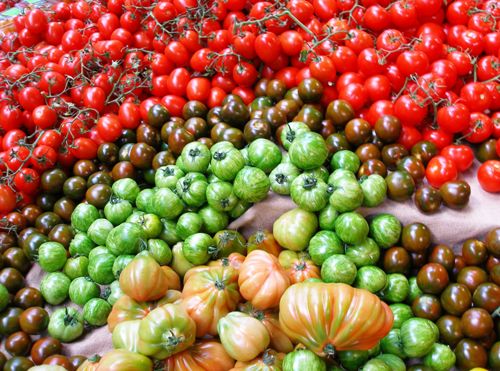
With the season now lurching towards summer, it’s time to give some thought to the annual backyard tomato crop. Tomatoes are hands-down the number one summer food crop in New Zealand gardens. They are grown not just for their tasty and indecently nutritious fruit, but also as a source of jealous pride among many gardeners. Continue reading

Bursting Beauties

Virgil Evetts

I’ve never been able to make my mind up about pomegranates. They’re a fruit I feel I really ought to like, with their good looks and ancient pedigree, but, I’ve always been somewhat underwhelmed. While visually arresting to say the least, most of the fruit I’ve tried were insipid and marred by unpleasantly woody seeds.

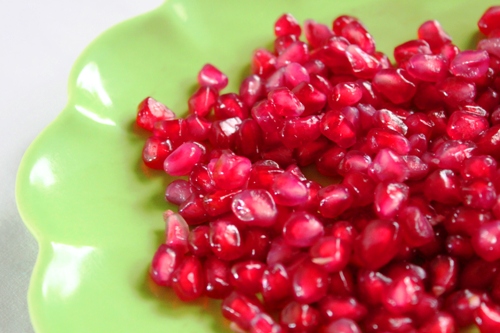
But last week in my local supermarket I happened upon a new product that has changed my opinion completely – vacuum packed fresh pomegranate seeds from India.  Oh, I know I’ve railed against pre-prepared fruit in the past, but have you ever tried to deal with a fresh pomegranate? Total pain the south passage. I haven’t been so excited about a new food product in a very long time.

I had great plans to sprinkle the jewel-like capsules of ruby juice over a dessert or maybe a pilaf, but anything other than immediate and copious consumption was quickly forgotten. The tightly packed juice capsules explode in the mouth with an almost audible pop, flooding the palate with their gorgeous, berry-wine flavoured contents. Better still; the seeds are of this variety are only very slightly harder than passion fruit seeds. Standing together at the bench, my best beloved and I finished off the entire punnet and I was off down the supermarket for another shortly afterwards.

Up until now fresh pomegranates have only been available in New Zealand in the form of whole fruit imported from California. The predominant variety grown in California is ‘Wonderful’, a perfectly pleasant fruit, but known for its rather tough seeds.  Pomegranates are really more novelty than serious contender for the fruit bowl in western countries, and  most of don’t know any better than the passable mediocrity of Wonderful. In India and the Middle East however, the pomegranate is a popular and highly esteemed eating fruit, with many varieties (and colours- ranging from white to almost black) available for a range of different uses, including  juicing, drying and of course eating fresh. The best eating pomegranates have soft seeds and a complex winey flavour.

I’d be hard pressed to find reasons to emigrate to the Middle East these days. I fear my indefinable, could-be -Arabic features would probably get me shot as a ‘dissident’ (did Fox News invent this word?) or sent off to Guantanamo Bay  (STILL open BTW Barack) on a charge of suspicious possession of olive skin. But knowing now how good pomegranates can be, I could just about take that risk- especially if it meant easy access to the truely seedless cultivars I’m told they grow in the region.  But alas, I’m bound by family, mortgage and  a modicum of sanity to stay in New Zealand. Until somebody starts importing axis of evil seedless pomegranates I guess I’ll just have to settle for those neatly packaged, soft-seeded jewels from India. Not such a sacrifice, let me tell you.

As is always the case when I’m impressed by a new fruit, I planted a few seeds of the luscious Indians.  Genetics are unpredictable with  selectively bred fruit trees so only time will tell…

Fresharin fresh pomegranate seeds 150gm punnets retail at around $5 and are distributed by Turners & Growers  to Selected fruit shops and Supermarkets.

Learning to love broad beans

Virgil Evetts

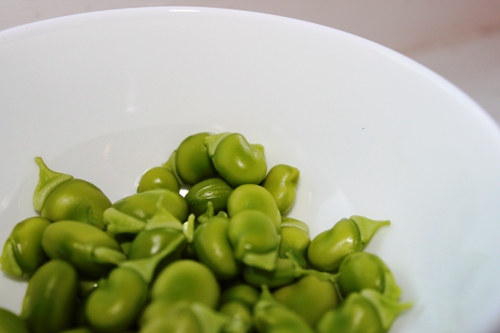
Why did it take me so long to discover broad beans? I’ve spent most of my life with a head full of funny notions about them being horrid, farty things favoured mostly by the old and enfeebled.  If I had had the vaguest inkling of the complex loveliness of a tender, young broad bean I would have been growing them and scoffing them for years.

I now rank the flavour of fresh broad beans above even my most beloved asparagus – one of the few vegetables that really make my mouth water.  As I mentioned last week though, I rather doubt growing them would have been much of an option to me before I got my beehive. With the extinction of feral bees in the North Island (thank you Varroa mite)and the complete lack of hobby hives in the Devonport area, I would have been relying on the intervention of bumble bees, a notoriously ineffective lot when it comes to beans. But now with my hive in place, the broad bean patch is packed with pods of all sizes, ensuring a supply of beans for some weeks to come. Once they’ve finished fruiting, the plants will be hacked down and dug into the soil where they will release their valuable on-board nitrogen supply- just in time for the tomatoes and peppers to take over.

In some regions broad beans can be maintained over several years as short- lived perennials, but this requires a serious commitment to a rather sprawling crop. In all but the most spacious situations they are better treated as annuals. Broad beans grow very easily from seed and are tolerant of a wide range of soil types. They attract few pests, apart from the odd misguided caterpillar and snail, and are sometime subject to mostly half-hearted mildew attacks in summer.

Although recipes for cooking broad beans – in both dried and fresh forms – are legion, for me the notion of brutalising such a perfect gem with heat is unthinkable. They are best picked young, well before their skins have toughened, and treated like the finest salad green.  Serve handfuls of the raw beans loosely scattered on perfect white plates, dressed with the best olive oil, salt flakes, and shaved parmesan. Eye catching, delectable and very grown-up stuff. Young broad beans are an excellent partner to asparagus too. Try them sprinkled over an asparagus risotto, dressed with a little melted butter, a splash of white wine and some crisp pancetta.

Broad beans have earned themselves a permanent place in my vegetable garden schedule, and will feature in every meal I can get away with over the coming weeks. I’m still finding my feet with them though and I’m sure that many of you here have been growing and cooking with broad beans for years. Any tips and recipes would be more than welcome…