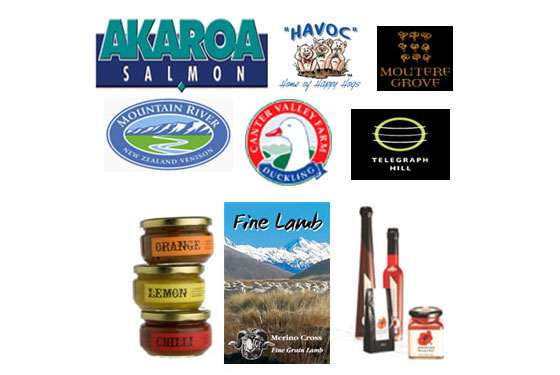
Rare Fare is a retail store specialising in New Zealand made food and wine from small producers, including Akaroa Salmon and Havoc Pork. Continue reading

Rare Fare is a retail store specialising in New Zealand made food and wine from small producers, including Akaroa Salmon and Havoc Pork. Continue reading

Blacks Online have chosen the most gorgeous range of condiments & Tapa products that NZ has to offer & we want to share this with you. Continue reading
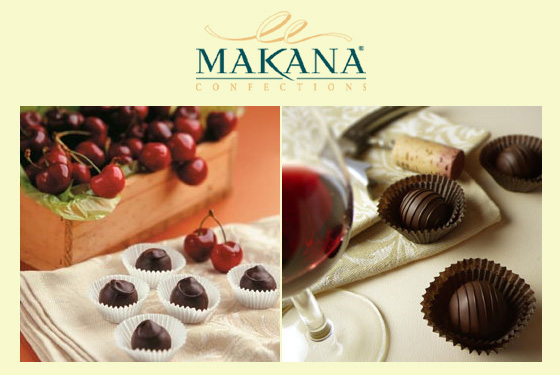
Once known only to Northlanders, the secret is now getting out about Makanas exquisite and luxurious chocolates. Superb hand-made confections made with all natural ingredients. Continue reading

Certified Organic Blueberry Juice, made in Omaha NewZealand. A rich blend of blueberry, apple & a hint of ginger. Order online at www.omahablueberries.co.nz Continue reading
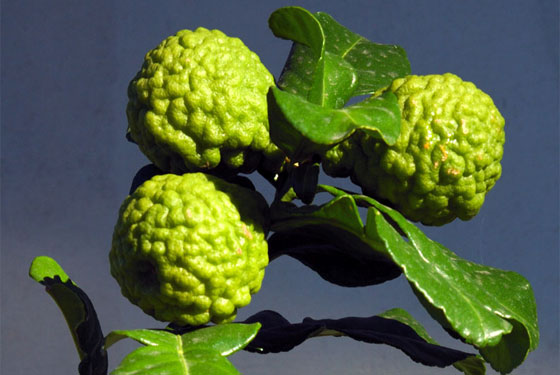
West Coast Herbs grow Kaffir Lime Leaves well known in Asian and Eastern cuisine. Leaves are available year round and fruit when in season. Continue reading
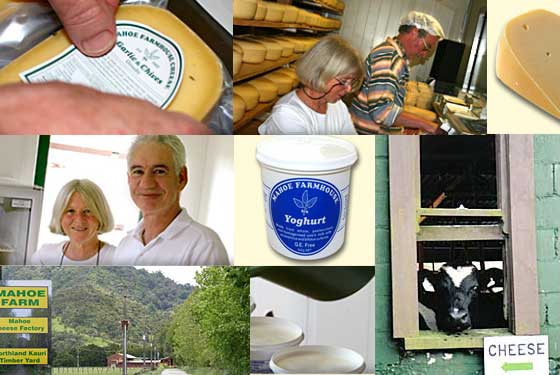
Mahoe Cheese is very much a grass-to-table operation. Milk from organically reared Fresians is used in their award winning aged & fresh cheeses. Continue reading
Asparagus Alert – Lou Davey
We are plum in the midst of asparagus season. There it is, pride of place in every supermarket veg section and going for (almost) a song. I can take it or leave it myself but most folk are going asparagus-bonkers. My husband is bonkers. Every day he comes home with a bunch or two and no matter what I have planned for the evening’s repast this vegetable must needs intrude.
There is a time and a place for asparagus. Unfortunately those times and places do not take seasonality into account.
Nor do they acknowledge the side-effects.
You can braise, steam or poach asparagus in whatever combination of butter, lemon or whatever the recipe recommends, on a daily basis but what you cannot escape is the fact your toilet will need some extra assistance to remain “pine forest fresh”.
Although asparagus is loaded with vitamins A,B,C,fibre,folic acid et al., it also contains a little something called mercaptan. This is a sulphur compound and makes your wee-wees stink.
This side effect isn’t overly noticeable in a houshold of two, but my daughter (with a husband and four boys) reports that asparagus will never enter her kitchen again this side of Armaggedon. Another reason she will have no bar of the vegetable is that it is reported to increase libido (along with the ubiquitous oyster) and four offspring are quite enough thank you.
She need not concern herself on that matter as I can personally testify that after over a fortnight of almost daily asparagus ingestion my husband has remained tired and preferring to wash his hair.
Yet, let us not underestimate the power of asparagus, for it has spawned website chats worldwide. Also websites who are patently In Lurve: “Asparagus, a member of the Lily family, is the most regal of vegetables. Tall and slender with its crowned head held aloft, the asparagus almost demands that we dress for dinner. We acknowledge asparagus’ superiority to other vegetables and treat it like visiting royalty in the season of its freshness.” (www.inmamaskitchen.com) It’s a piece of green stalk, with a moderately okay flavour, makes your wee stink, doesn’t make babies and …I’d rather eat cabbage!
Swimming with the Onions – Elaine Davey
There’s much to be said for having a gadget-free kitchen.
Especially when, like mine, its dimensions are about the same as a medium-sized executive home’s bathroom. And when I say my kitchen is gadget-free I mean it. Not only do I not possess a microwave, food processor, veg chopper, toastie pie maker, milkshake machine or juicer, I am also lacking a hand-whisk, rolling pin, nutcracker, egg or fat separater, or garlic crusher. I used to have most of these items but over the years they have either broken or disappeared and substitute aids roped-in for the interim are now fixtures.
To whit: glass jars, a hammer and biceps.
The glass jar is a versatile item. It rolls my pastry (and cuts the rounds), “whisks” up the cream and shakes up my yorkshire pudding mixture. All the while strengthening my upper arms – no unsightly flab there. The hammer is used frequently in conjunction with a small polythene bag. The cloves go in the bag and after a hearty whacking I have crushed garlic – or shallots, or nuts, or biscuits.
My aid to cake-mixing is elbow grease, I separate eggs through my fingers, skim off fat with a pre-frozen tablespoon, and squeeze juice with my fist (it helps if you warm the citrus fruit in the oven beforehand).
There does however come a time when you yearn for a gadget.
A gadget that invariably has yet to be invented…like a little something that will automatically peel shallots and pickling onions whilst leaving them whole.
I have not peeled pickling onions since Invercargill in the mid 1980s. This was a time and place when and where it was highly fortunate for me that people confronted with a potentially threatening situation did not immediately call upon the resources of the Armed Offenders’ Squad. It was also a time when Boy Scouts (for they were of the male persuasion then) came knocking on doors seeking bottles for fundraising purposes.
On my second pound of pickling onion peeling, donned in my late father’s hideous swim goggles (circa 1920, small black lenses and lots of draping blue rubber) to prevent precipitations of the tear ducts, and with sharp knife in hand I immediately responded to a knock on the back door.
The best that can be said of that unfortunate encounter is that it may have helped the Boy Scout achieve his sprinting badge a little quicker. The worst was that 10 minutes later Mr Scout Leader Man and His Deputy turned up to assess the situation.
Which brings me bang up to the here and now. I have just spent a deal of time peeling shallots. I have dripped from the eyes and the nose, am worn out trying to get bits of shallot “paper” off my fingers, and used half a box of Kleenex (okay, that’s a fib – who buys boxes of tissues when the toilet roll is to hand?). I am so ready for the shallot-peeling gadget. Bring it on thanks.
Lou Davey
“It’s a naive domestic Burgundy without any breeding, but I think you’ll be amused by its presumption.” As wine opinions go, I have never found a pronouncement more indicative of the hoo-hah surrounding a bottle of plonk than this one by James Thurber.
James Grover Thurber (1894-1961) was an American author, cartoonist and general wit. Whether or not he was a wine connoisseur, I do not know. But then, so many folk these days are wine connoisseurs in the legends of their own lunchtimes.
In the 36 years I have been of legal drinking age I haven’t made great strides in the wine appreciation department. Like many young’uns in the 1970s I cut my grape-teeth on bottles of Babycham, as this was the drink traditionally bought by boyfriends for girlfriends (along with a packet of cheese and onion crisps) on their first date.
As affairs of the heart became a tad more serious (the Babychams having worked their magic) the restaurant date occurred. I recall my first at an establishment in Hampton Court, London. I chose steak – go on, guess which one – as I had never eaten it before. Mum had simply never thought to include steaks in her weekly dinner menus. Yes, Steak Dianne, thoroughly cooked at the table with a grand flourish and much flame. I left the wine choice to my boyfriend and was most impressed with the pretty label on the bottle and the fact he was given the cork to sniff. And no, it wasn’t a bottle of presumptous vintage burgandy, but a Blue Nun.
Scoff if you will, but funnily enough when I Googled Blue Nun just days ago I found this extolling comment by British wine expert Anne Kennedy, “Many reviewers hate Blue Nun, yet in blind tastings, it has at times emerged as the best wine in the tasting to have with curry.” Faint praise, but praise nonetheless….”I’ll ‘ave a Blue Nun wiv me Bhajji, ta.” Thereafter, during the late 70s I dabbled with the (then) trendy Bull’s Blood and a packet of aspirins.
Meanwhile dad took to wine-making at home. It was a clandestine business involving trips to the Sunday market for bananas, much furtive activity in the bike shed, culminating in bottles of “Whatever” produced at Christmas. I say “whatever” because dad had decided that alcohol was never to pass the lips of his only girlchild… Then I went abroad for the first time. Two weeks in sunny Crete and manifold bottles of Retsina. I sought to recreate that heady time when domiciled in Invercargill in the mid-80s. I spotted a bottle of that notorious Greek “paint-stripper” in a bottle store, downed the entire 750mls and woke 12 hours later to find that although I had managed to smash some crockery my bottom had sadly remained unpinched by hunky Greek waiters.
Since then I have dabbled in the overblown process that is the selection and appreciation of “fine” wines. To me, wine is a load of grapes, crushed and processed to produce an alcoholic beverage. I am unmoved – nay, put off – by flowery descriptions. If I want undertones of blackberry, overtones of apricot, a hint of oak-aged vanilla and a general feeling of fresh herbs wafting off a European hillock, I’ll make a myself a pudding and watch a dvd of “The Sound of Music” thanks.
 Winter Canapés
By Michal Haines
Winter entertaining can be a drag. The colder weather seems to makes everyone ravenous. It can be hard to concentrate on your cooking when your guests turn up at your door looking like they may eat you if you don’t hurry up and give them something straight away. The ideal dishes to serve are slow cooked creations that will feed plenty but they do, as their names suggest, take a little longer to get to the table. Everyone is cold and if you live in a house like mine, not all of you can huddle about the heater at once. So how do you make winter a time of entertaining?
One of the most common questions I get asked is what can I serve people for canapés in winter?
Summer is so easy with its flashy fruit and warm weather. You feel it is easier and totally acceptable to pop out a wonderful platter of cold meats and spreads in the antipasti styling followed by some well barbecued meat. Winter seems to demand more from you as an entertainer and without all the taste sensations of summer fruit made into fresh cocktails to help out, you do have to think a little harder.
Canapés to most seem to be open a packet of chips and tear the lid off some dip but in my world, canapés mean the actual art of creating small eats. Small eats don’t have to be time consuming and fiddly but they do demand a high level of taste to have maximum impact and to get those stomach juices going in time for the main event.
They need to be large enough that any male doesn’t feel like a giant when picking them up and yet small enough that they go in into your mouth easily. There is nothing worse than a canapé that immediately crumbles into one a thousand pieces as soon as you have bitten into it making you immediately try to rescue it from your front with your hand that is already holding a wine glass. Napkins are a must but better still make it easy to eat.
The Spanish have it down with tapas. The idea of wee plates of delicious, unfussy nibbles is exactly what you are looking for. The Basque call them pintxos and have an array of taste sensations within the collection. Small sandwiches (bocadillos), fried seafood treats (fritos), small mini braises (estofados), skeweres (pintxos) and topped slices of bread (montaditos). All of them are the careful matching of tastes with textures but most a relatively simple. Well seasoned squid, deep fried and served with a lemon aioli, a prawn fritter, a good quality chorizo served sliced.
Flavour is all important here so you can get away with big bold flavours as it is a precursor to what is to come. Naturally it is good to work with a theme. If you are serving a rather classic French cassoulet as a main or an Indian array of dishes (even Indian inspired) it is best you stick with that. No fusion confusion.
If you are serving meat for a main best not see it first as an entrée or canapé. The only time I may make an exception for this is with Asian as all meat, all the time is the motto that works for them. I am happy to have pork five different ways in one meal!
The other vital one is not to over do it. Your main is the star so you don’t won’t to put all your time and effort into canapés. Look at 3 to 4 items per person as anything else would just be greedy. Make sure you are on time. If your guests are waiting for and hour or more for dinner then they may well need more than three items each, especially if they are drinking.
A few ideas may help to get you thinking differently about how winter canapés.
Seasonal produce as always is the best place to start. Look to see what you like and think about how you may be able to use it. Pumpkins and squash are abundant so think polenta cakes made with pumpkin and plenty of parmesan, think pumpkin risotto balls, think pumpkin slivers roasted and served on bruschetta with crispy bacon or pancetta.
Pears work well with lamb and venison and are cheap right now. Roasted and served thinly sliced with a wee piece of rare venison or lamb backstrap on top wont break the budget and will look amazing. Drizzle over some reduced balsamic or balsamic glaze and you have a great, robust and very man friendly treat.
Citrus can be found in many a back yard and can be utilised to match with meat and poultry for a bright and zesty winter treat. Marinate chicken nibbles in fresh orange juice and zest with a little honey, whole grain mustard and sherry vinegar for a few hours. Simply roast in the oven for 30 minutes and serve with a napkin.
Make a citrus salsa with lemons, orange and grapefruit. Add freshly chopped coriander, a little touch of chilli or red capsicum finely diced for colour and mix well with salt, pepper and a little olive oil. Top pieces of hot smoked salmon on toasted pieces of bread with the citrus and serve. A little messier but worth it.
Don’t discount precooked items also as ways that you can save time and work your magic. A roasted duck from an Asian food-store can be shredded and rolled into rice paper or little pancakes with spring onions. Rhubarb works very well with duck as the more acidic and sweet taste helps cut the greasiness of the meat .
I chop –
200g of rhubarb up roughly and place it in a saucepan with
¼ cup of sugar and
1 whole star anise and
enough water to stop it sticking (1/4 cup).
Set it to cook on a medium heat and allow it to cook till it is very jammy and all the water has reduced away. Taste to see if it needs a little more sugar and remove the star anise.
Serve in Chinese spoons with shredded duck meat on top and a garnish of very finely chopped spring onion.
Little pastry cases are ideal for mixing big intense flavours together. Think chorizo sausage and a little beaten egg. Fill the case and bake till golden brown. Top with a tiny bit of onion jam and a left of garnish and they will look a million dollars. There are good number of pre made pastry cases available at supermarkets now and while they can be a little dull on flavour, they are a perfect vehicle for enhancement. Things like tinned salmon or tuna can be turned into a real treat with the addition of fresh herbs and a little ricotta mixed through it as well as some key textural ingredients such as artichokes or capers.
Toasted bread is a fine vehicle for messier toppings and is an economical way of creating a winter canapé. Toast rounds of French bread ahead of time and then use a good store bought hummus to top each round. Top the hummus with roasted pumpkin seeds or slivers of roasted carrot.
Thick slices of potatoes can be roasted ahead of time. Lay them out on a baking tray and top with a little slice of dry mozzarella, sage leaf and a very little piece of proscuitto or streaky bacon and bake for 12 minutes till bubbling. Serve with a toothpick through it for easy eating.The same can be done with kumara and topped with salami that has been fried till crispy.
Remember that oysters are at their best in winter, these can be served chilled or in a delicious hot sauce and once again look great on Asian style china spoons.
Skewers and sticks are easy and can be threaded well ahead of time. A good marinade is all you need to make them delicious. Short cooking time makes them also a good one to have ready to go as people arrive that can be served straight from the oven piping hot. Try simple items such as salmon, baby roasted onions skewered with a good quality tangy sheep’s milk cheese or roasted baby beetroot with olives and feta. Taking the time to roast a few little vegetables while you are cooking dinner the night before will make all the difference to your pintxos.
Get thinking about ways that you can make simple ingredients work for you. Be economical too. Often your main has already swallowed up a chunk of your budget so working with a few ingredients and making them sing by matching them well can make all the difference.
What are some of your favourites?
 Slices are a great favourite of mine, they are generally quick and easy to make and are fairly quick to cook. While most of mine don’t get a chance to make it to the freezer many of them are easily cut and then frozen for later use.
At the peak of the easy to make slices must be the varying combinations of ingredients that have a can of condensed milk poured over them prior to baking. There is no mixing bowl or spoons required but the entire slice is made in the pan. All Saints Slice aka Hello Rosie slice is a perennial favourite. I don’t make it too often as it one of those things that will power simply can’t stand up to. A more fruity variation of the same recipe is Tropical Slice where varying dried fruits are layered on a biscuit base along with chocolate chunks.
Another favourite slice using sweetened condensed milk is Tan square. I like this as much as I did as a child and unfortunately it is one of those sweets that are so popular they disappear in a flash.
Lately in our house the kids have been keen on Chocolate Weetbix Slice, this is great for using up weetbix crumbs in the bottom of the packet and also it is simple enough for them to make themselves.
 Ginger crunch is another crowd pleaser – either in the traditional short base or this delicious Takaka Oaty Ginger Crunch. Chunks of crystallised in the icing are lovely or topping the icing with chopped toasted pistachio nuts.
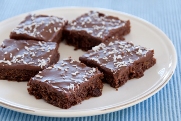
Chocolate lovers will find this Chocolate Fudge Brownie really good – it is just the right level of sticky chewiness combined with a firmer crust….
While I like my mints in a bag this Chocolate Mint Slice is always a hit and particularly good with coffee after dinner.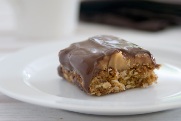
Caramel and chocolate is a marriage in heaven and this oaty chocolate caramel slice is highly decadent.
For those who like citrus then Sticky lemon slice is heavenly! For a quicker sweet citrus fix try the citrus uncooked biscuit fudge slice .
Anzac slice is a pseudo healthy slice – the oaty component works for me! It is very similar to the English flapjack slice.
A friend of mine at school was often sent packages of Chocolate Rough Slice from her mum that the rest of us were eternally envious of. I have yet to make it for my children but am sure they would like it as much as we did.
Belgian slice is another old fashioned favourite although I think I like the sandwiched biscuits a little more!
My brother is a big fan of Louise Cake and whenever mum goes to stay she makes it for him.
For slices that don’t requre an oven think of coffee fudge slice, coconut and apricot fudge squares, fudge slice and Tammy’s fudge slice,
Do you have any favourite slice recipes that you would like to share?
Helen
 Sunday Best-Rules of Roasting
By Michal Haines
The classic New Zealand Sunday roast is a tried and true tradition. I recently did a wee poll at work and found, quite to my surprise, the traditional Sunday roast is still going strong.
I would have assumed that in these days of careful healthy eating, huge chunks of roasted meat just weren’t on the menu so much anymore.
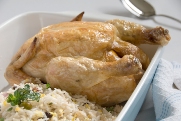
The traditional roast didn’t appear often on the kitchen table of my childhood. On the rare occasions it did it was most likely to be chicken, which, to this day remains my favourite roasted meat.
My grandmother on the other hand was a whiz with the roast chicken, wrapping it elegantly in bacon to keep in the moisture, jugs of gravy at the ready to swim those peas in. I remember her chicken so fondly that I am striving constantly to achieve the same taste and tenderness but to no avail. I sometimes wonder if the memory was better than the actuality.
Roasting meats can be a bit haphazard if you don’t stick by some good golden rules. These little things can really be the difference between a dry horrible roast and a fantastic one. Like all cooking it is about learning to achieve the best results. There simply isn’t anything like a good roasted chunk of meat and sure, it is in a different league to a well made curry or an expertly crafted risotto but it still is a thing to rejoice over at the table.
There are a few ways to cook a hunk of meat however.
Low Temperature Roasting
Ranging from 120◦C to 160◦C this ensures less shrinkage of your meat, more even cooking through the meat and certainly more flavour and a more tender result as well as an easier piece of meat to carve. Some chefs even go for a 100◦C for an even longer time making the meat very soft but in no way pink.
High Temperature Roasting
Between 190◦C and 230◦C this is best used to create a crusty exterior and a tender, rare interior.
You can also achieve a crust when low temperature roasting by starting the meat at 200◦C until it has browned and then reducing the temperature back down to the 120-160 range. I am a huge fan of this technique. In theory this sears the meat and holds the moisture in to keep it all nice and juicy in there. It also helps create that fantastic crust that makes the whole enjoyment of a roasted cut of meat just that little bit better. Remember that this initial stage in no way cooks the meat-it just gets thing moving a little quicker.
Tips for Roasting
Take the meat from the fridge half an hour prior to roasting to at least bring it partially back to room temperature. This will help the cooking speed as the heat will move through the flesh quicker.
Cuts are important. Selecting the correct cut for the right job makes all the difference.
For roasting beef look for the following cuts:
Standing Rib Roast -cut from the rib section of the forequarter, this cut is very juicy and should be well marbled. Sometimes this cut can also be referred to as prime rib roast but be warned this does not indicate a superior quality of meat. Trimming will have been done on the ribs themselves to partially expose them as with a lamb rack. The bone will provide you with extra flavour and then you have the choice to serve it with bone on or off. This cut looks impressive at the table and a whole rib roast of 7 ribs will easily feed up to 14 people.
Sirloin Roast-this cut is taken from the lower middle of the animal’s back .Generally cheaper than whole fillet, this is a great cut that can be cooked easily and feed many. Cooked properly it is fantastic. In its traditional form it would come with bone attached but I certainly have never seen this before. Sirloin can very easily be portioned and seared at high heat as a steak cut also.
Whole fillet roast-this is the whole tenderloin of the animal and will require trimming once you get it home unless a butcher has done that for you. It will cost more per kg but the trimming process can loose up to a kg depending on the size of your fillet so it can sometimes be worth the extra cost, particularly if you are not that great at trimming.
From this whole fillet smaller cuts referred to as filet mignon are created.
Tri Tip Roast-has a similar texture to sirloin. Taking its name from the triangular shape of the cut it is a good slow roasting meat with good texture and flavour.
Shoulder Roast-cut from the forequarter and can come boned or not. Roasting is fine for this cut but can be helped with some extra fat to keep things moist.
For Roasting Pork look for:
Centre and Rolled loin of Pork-Centre pork roast will still have its bones attached where as rolled will have all the bones removed and it will be tied to make it easier to carve. This is a very popular roast and the skin can be salted and scored or dried out to encourage perfect crackling.
Belly- My favourite cut for roasting. Don’t be put off by the fat as without it the meat will be dry. Thin cuts will take little time to roast and by drying the skin out in the fridge uncovered for three days or so you will get fantastic crackling.
For Lamb look for:
Rack of Lamb-Number one for many reasons-easy and fast to cook, delicious, great texture and it has its own handle to make eating easy. No tenderloin makes this a small cut but when well cooked a delicious one. You may also see something that is called a Crown Roast and this is the two racks joined together and formed into a circle to make one large roast.
Loin Roast-can be boned and rolled or complete. A very delicate cut that will need fat to help it along. If boned, it can be stuffed and rolled for extra flavour.
Leg Roast-a classic New Zealand cut that can be butterflied, rolled and boned or roasted complete with bone for extra flavour.
Weight, size and shape
All of these factors play a part in how long your meat will take to cook.
There is no shame in a meat thermometer. They are well priced (usually under ten dollars) and can really be the difference between dry or juicy. They do need at least twenty seconds in the meat to get an accurate reading. Push the skewer in to the thickest area of meat so it is as close to the centre as possible. If you are pushing into bone this can skew the reading slightly but it will be close enough.
Experience goes a long way to being able to just look at a cut and know what cooking time you will need but before that comes practice.
For the most part there are golden rules which have always worked really well for me:
Per 500g red meats need 10 minutes for rare, 15 for pink and 20 for well done
Per 500g pork needs 25 minutes per 500g for well done and 25 for very well done.
Ovens
All ovens are a little tricky. They do behave differently so everything you learnt about your old oven you will have to relearn if you move house or renovate. Pop a thermometer in also to see if your oven is actually reaching the temperature it is telling you it is. If it isn’t getting to 200◦C then you are going to have some issues with roasting.
Basting
This keeps the meat nice and tender. Basting can be done using the fat that will appear in the pan as the meat is cooking.
There seems to be two schools of thought here and I tend to agree with the one that feels that the meat already has a covering of fat so basting shouldn’t be needed. The repeated opening and closing of the oven door will slow things down. The only time that I think it is a must is to achieve crispy chicken skin.
Barding utilises bacon or pancetta-or really any fat-and wraps it about the meat in order to give it more moisture in which to cook. Useful when roasting cuts with little or no fat but remember to remove any barding ten minutes prior to the end of roasting in order to brown the area well.
Resting
Resting is essential. At least fifteen minutes is recommended for the meat to relax enough that when you do make that first cut, it will be juicy and succulent through out. It greatly enhances the meat feel and if you have taken the trouble to cook it well, I am sure you are willing to wait that little bit extra. Fifteen minutes gives the moisture enough time to resettle back into the meat through out the cut, not just at the surface.
Rest meat at warm room temperature or a little higher and avoid any draughts as the meat will go cold. I know a few people who feel that leaving the oven door open and the oven off will be ok for this process but I do feel that the temperature remains far too high and the meat just continues to cook.
The Roasting Tray
The roasting tray itself is an important tool in the success of your roast.
Too large a tray will spread the juices too evenly and allow them to burn quickly. Too small and the meat will be lying about in its own juices stewing away. Pouring fat or excess liquids off during the cooking process can be beneficial if the cut itself is very fatty but otherwise, why loose all that flavour!!
Extras
Seasoning is good but use a little oil or butter to make it stick. The oil will help with the initial high heat cooking stage and the end result will be a little more juicy. Herbs and flavour rubs can be applied but make sure they are done so with oil or butter otherwise they will burn badly before the meat has cooked.
There is a lot here to take in but for the most part it all comes back to the cut itself.
Quality here is all important and why not. If you are going to do little more than rub a little salt and oil into the meat it should be all about that wonderful flavour. Roasting is one of the few times where the meat must really speak for itself. Poor quality meat just won’t stand up to that and you will always be disappointed by the taste. I am not dictating by any means that you should run out and spend you entire budget on one cut of meat for the feast but think more about the quality than the quantity.
Good farming practice produces good meat that will look, smell and taste better when it hits your table. In my mind it doesn’t have to be organic but it does need to have been raised by some one who has taken the time and money to raise the beasts appropriately, has feed them what is natural (certainly no other animals would be an excellent start), and it has be killed in a manner that is both humane and has allowed for the meat to be at its best. I am being very simplistic here and I could lead you further into what would be a rather long rant about ethical farming, production and processing of meat but this is not about that issue. It is a simple fact that you get what you pay for and we all know this. We can’t get around it so if you find a cheap roast cut, I suggest walk away from it. On the whole meat is not cheap and the true test will always be in the eating.
 By Michal Haines
Beans have a long history throughout the world. An excellent source of protein and fibre they were great for those of humble means. Poor man’s food, they grew wild in some cases and could be gathered, dried and stored away for those leaner cold months where a bit of comfort food would have gone a long way.
History relates many a story of beans and where they have appeared. Jack was not on his own when it came to magic beans. The Chinese used to throw beans in order to ward off evil spirits, the Romans were also fond of throwing them about in order to decide upon political matters. Maybe due to their ability to cause digestion issues, they were also noted as food of the devil. I can hardly see the devil sitting down to a huge helping of beans-maybe a meaty cassoulet with a bean accompaniment but really-just beans?
The nice thing is that beans appear all over the place. Dhal of India, the cassoulet of France, hummus of the Middle East, even the baked beans of many a New Zealand pantry all play a part in the great story of the bean.
Beans are classified nice and simply by the Food and Agricultural Organisation. A pulse is an annual leguminous crop that from its pod yields one of twelve gains or seeds. They have created a category of 11 primary pulses that cover everything under the simple headings of dry bean, dry, dry broad beans, peas, chickpea, dry cow pea, pigeon pea, lentil……….it isn’t that fascinating so I wont go on but luckily for us someone out there has done all the hard work so we are able to correctly categorise beans.
With three times more protein than rice and twice that of wheat, beans are pretty damn good for you. All pulses are said to reduce mortality from coronary heart disease.
Anything called split, split-lentil or split pea-have had their outer casing or skin removed. Things get a little complex here as dhal is a lentil but not split and the family itself is also called a pulse and includes the black and beluga lentil as well as the rather fashionable French Green Puy lentil. Split pulses tend to cook quicker but do not retain their shape as well. Cooking times vary dramatically.
Lentils are one of the best sources of iron. They have high levels of proteins (even higher if you are brave enough to sprout them and eat them raw) and also contain vitamin B1, minerals and folate.
Soaking is an important part of the cooking process. There is much to say on the subject of soaking and preparing of beans, some of it offering a level of scaremongering. I often am asked if dinner guests will die from eating beans that haven’t been cooked properly. I reassure them that unlike the dreaded fugu puffer fish, beans are fine but need a little care to avoid the indigestible starches being consumed.
Overnight soaking will do the trick and changing the soaking water several times is a good idea also. This is necessary for all the harder beans such as chickpeas, lima, haricot, kidney etc. Mung, black eye and adzuki can be treated more like lentils and soaked for a few hours to help them to cook quicker.
At any rate a good wash prior to soaking and cooking to remove any gritty bits and stones is recommended. Then into clean water in a large container that will allow room for the pulses to swell sufficiently and still be covered in water.
Once the soaking period is over, rinse them off again and then into a large pot for cooking with more fresh water. Bring them to the boil without the addition of salt as this toughens the skins and lengthens the cooking time. Maintain a gentle simmer rather than a rolling boil to avoid breaking them up.
Once cooked, they should be rinsed well again. Some recommend chickpeas to be cooled in their cooking liquid as they do continue to swell quite a bit and then rinsed. Store any cooked pulses and lentils for up to three days in the fridge.
When purchasing pulses look for those that are a good colour and size and don’t have a lot of debris floating about in the packet. A good Indian store is the best place for dhals and lentils as the turnover is high. For all others, try a good deli or health food store. You want nice fresh pulses that you can keep in your pantry for up to six months. Any longer storage results in lengthened cooking times as a slow loss of moisture will eventually result in a very dried and shrunken looking pulse.
The Bean Review
Peas You will find them predominantly in yellow and green but also blue. They are such great carriers of flavour. They are best soaked for a short period (up to an hour) to fast track the cooking time and they are a favourite of the bacon hock for a good old fashioned split pea and ham soup. You generally find them split rather than whole and they need about two hours cooking to break them down.
They are not only wonderful for soups but also make a great dhal.
Don’t discount frozen peas as a useful ingredient either. Fantastic ground up for dips and spreads as well as into risottos and salads, they are bursting with fresh flavour. Although categorised as a vegetable crop and a not a pulse, I am happy to include them as they are just too yummy not to.
Lentils
Coming from the Latin name for lens, the lentil was very popular with the Romans and Greeks. Originating in South Asia, there are known to have been one of the first domesticated crops. Once introduced to the Meditteranean they were much appreciated for their ability to be stored for long periods. Feed to hungry travelling troops, they were the perfect food for feeding massive numbers for little money.
For some reason they are deemed lucky in Rome and appeared on the New Years Eve table to welcome in another year of good fortune. The Italians enjoy them slow cooked with cuts of meat and offal.
The French Puy lentil has been made a fuss of in more recent years, appearing alongside more fashionable ingredients while the more humble yellow and red lentils are still the staple of the many mouths of India in the ubiquitous dhal. The Indians have a huge array of colours and sizes to choose from. All need a good rinse to get rid of dust and debris prior to use and can be cooked from raw or soaked for thirty minutes first. Cooking time can vary from 20 minutes to 1 hour depending on the desired texture you are going for.
Chickpeas
Seen in the most far flung regions of the world, the chickpea appears as a staple of many a table. Thrown into soups and casseroles, ground into pulses and dips, appearing in salads, fried for snacks, ground into flour or just making a statement on their own, they are much loved for their rich, nutty flavour. One of the few beans that is much the same fresh as it is dried or canned, they are a very convenient bean that has been embraced the world over.
Chickpeas need at least overnight soaking for them to fully re-hydrate and then a cooking time than can vary from 40 minutes to two hours. They older they are the slower the cooking time. Bear in mind they double in weight and volume once cooked and I know many who have made the mistake of soaking or cooking chickpeas in a far too small container only to find them escaping across the floor later.
Pea and Chickpea Falafel
I love the combination of fresh peas (or use frozen peas rinsed in cold water to defrost) pureed with chickpeas with a huge heap of mint, fresh coriander, salt and pepper. Add 2 teaspoons each of ground coriander and cumin and a little flour to bind it all together. Make them into balls or small patties and place in a preheated 200 C oven in a well greased oven tray. Allow to brown, turning as needed until they are crispy on the outside.
Serve as a wee finger food with a yoghurt and garlic dipping sauce or stuff them into pita bread with fresh tomatoes, salad and yoghurt.
Great for the kid’s lunch boxes too.
Broad Beans
My favourite of all the pulses. Introduced to the Romans by the Egyptians, fava or broad beans are a favourite throughout Italy.
The best are the young tender beans that you will find frozen. They simply need to be peeled to reveal the beautiful fresh bright green colour and delicious nutty flavour. Once they get older they are canned. To use, simply wash and peel off their jackets. As a dried product they do need overnight soaking to fully re-hydrate and a good two hours of cooking. The Italians enjoy them cooked with speck or chunks of proscuitto and plenty of garlic, served alongside grilled meats.
Egyptian Broad Beans
This is a wonderful summer dish served cold or try it in winter served with grilled meats and fish. Any leftovers are fantastic the next day for lunch or keep any extra and churn it all up with a few glugs of olive oil to make a great spread to go on bruschetta.
Simmer soaked broad beans till soft. Drain well and remove their jackets.
Once cooled, simply sauté 4 cloves of crushed garlic with 1 finely chopped red onion till softened and just beginning to brown. Take off the heat and mix through the cooked and peeled broad beans. Add salt and pepper to taste, 1 teaspoon sumac or the juice of 1-2 lemons depending on your taste, a handful of freshly chopped Italian parsley and olive oil to mix. A good quality walnut oil is very tasty here too.
White Beans
Part of the kidney bean family, the white bean category includes the lima, butter, cannellini and haricot beans.
The Tuscans are their biggest fans and are appropriately named ‘bean eaters’ because of the vast amounts they consume. Visit all sorts of areas of Europe and white beans will appear in all manner of creations from salads to soups, purees and spreads and naturally the classic cassoulet. Cultivated in the Campania region of Italy, they are the most bottled and canned pulse in Italy.
We all also know them as the classic baked bean and when home made, they are fantastic.
Soak overnight again and rinse well before cooking for up to 2 hours.
Winter Mash
A fantastic and totally decadent mash combines cannellini with potatoes.
In a food processor I churn up a whole head of roasted and peeled garlic with one well rinsed can of cannellini beans and a little fresh rosemary, salt and pepper. Add a little olive oil to get it to a nice smooth consistency. Simply boil your potatoes as usual. Drain and tip into a large bowl. Mix through the cannellini beans and add a little more olive oil to achieve the desired consistency. Serve under slow cooked or grilled meats, or just good old quality sausages.
Borlotti Beans
Much loved by the Italians also, the borlotti is easily identifiable with its striking red and white speckled pod.
The most famous dish of Northern Italy, Pasta e Fagioli uses borlotti, half of which are mashed to create a smoother textured, thick soup.
They need to be treated much the same as the white bean family with extensive soaking and a cooking time of about 2 hours. As they have a similar creamy texture to the white bean family they are fantastic in soups, salads and stews.
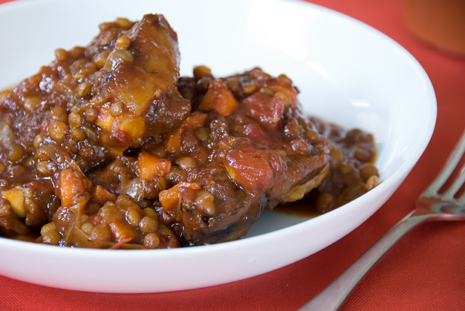
Poached chicken with Borlotti Beans and Baby Vegetables
A super wintery dish that really needs a little attention to get started but can quietly do its thing while you get on with your Sunday afternoon. Poaching chicken is a lovely way to get the most flavour from it and it is very healthy too.
Start with 1 white onion, finely chopped and 2 cloves garlic, crushed.
Heat a little oil in a large casserole and soften the onion and garlic on a low heat.
Place one whole chicken into the pot and add 1 bay leaf. Cover with water and set the lid on to simmer for 20 minutes.
Add a good handful of baby vegetables at this stage-carrots, turnips, fennel, leeks, and potatoes and place the lid back on for a further 30 -40 minutes.
Remove the chicken and cool enough for you to portion it up.
Add 2 cups of cooked borlotti beans to the vegetables and taste for seasoning.
I like to add the zest of half a lemon at this stage as well as a good handful of freshly chopped seasonal herbs. In winter, tarragon works beautifully but Italian parsley is fantastic, lemon thyme works well, even basil in summer can make this quite a different dish.
Bring the vegetables back up to a simmer.
Place the chicken in large shallow bowls, top with vegetables and ladle over the beans and broth. Serve with crusty bread to mop up the juices.
Many people seem to feel that there is just too much work involved in cooking with beans.
Admittedly it takes a little forethought but the soaking time can be done overnight and cooking time can be done while you are doing other things about the house. They certainly don’t need a watchful eye, just plenty of water and easy simmering.
Once cooked, they can serve so many purposes.
Make this winter a bean winter!!
I went to the supermarket a couple of weeks ago. The Port Chalmers’ branch of New World to be precise. I like New World’s because, somehow, I always know where things are to be found…except one. I also like the muzac tracks they play; pop from the 80s and 90s that I invariably know the words to, and therefore enjoy a good singalong whilst boogying with my trolley.
“Nutter”, I hear you say. But surely no more a nutcase than the woman who bought $75 worth of Lotto tickets at the counter behind me whilst my groceries were being scanned But I digress.
The fruit and veg department was the first port of call, the purchasing of which cannot be entirely pre-determined by a shopping list. You know how it is – in your head are the basics like potatoes and onions, but most other selections are determined by matters like: the season, price, quality, freshness and stamina.
“Stamina” is the word I use for the estimated time fresh produce will stay useable once I have transported it to home environs. I am also wary of freshness because everything in today’s “fresh” produce departments looks dewdrop fresh due to being intermittently sprayed with tap water. Well, not the mushrooms. If they started spraying them supermarkets might find themselves in the soup – literally.
Anyway, I completed my reconnoitre and began with the carrots. Having eschewed the cheaper bulk bags (only two of us to feed) I selected 6 of the smallest, popped them in a bag, turned around to dump them in order to leave my hands free for a rummage through the broccoli heads, and ….yes, you guessed it, my trolley had gone.
Vanished.
I located it almost two aisles away, half-full of random items, and in the hands of my husband. We had entered the portals of the supermarket as a couple but thereafter we became strangers in the night (well, it was 6.30pm).In the relatively short time I had spent mentally appraising vegetables he had whisked through the meat section, grabbed cans of this and that, and snuck in a bag of frozen beer batter fries when he knows I prefer crinkle-cut. An interrogation of sorts ensued:
“Why is that $24 frozen leg of lamb in there?”
“It was a bargain.”
“Why?”
“It was in the freezer.”
“And that means – what exactly?”
“It’s probably cheaper.”
“Never mind that, it’s huge and not cheap. There’s just the two of us, you won’t ever eat leftovers, we don’t need it.”
I then exchanged the canned tuna for the one on special, replaced the 2 porterhouse steaks for a pack of two T-bones reduced for quick sale, put the sugar back on the shelf (2 kilos of it in the pantry at home was plenty) and exchanged the creamed corn for corn kernels – he doesn’t read labels.
But
it didn’t simply end there.
I took a firm hold of the the trolley, smiled beatifically and said (as quietly as possible so as not to cause a scene), “Leave now. Go to the carpark and sit in the car until I’ve finished here.” And he did. Like he had done twice before. Because only three times in the entire 17 years we have been a couple have we attempted supermarket shopping together.
No more attempts will be made.