Cook For Me!!!

Virgil Evetts

The trouble with being thought of as vaguely capable in the kitchen is that nobody ever wants to cook for you.

Dinner invitations are usually conditional upon bringing a course or two, and if not, the host spends the entire night apologising for the food. It’s not that I’m really all that good in the kitchen. I can get by – I just talk about food rather a lot and, as a result, seem to have acquired a bit of a reputation. To a certain extent, this even affects my very best beloved, who will reluctantly admit she can cook -technically- but refuses all accolades. I feel very much to blame. I’ve damaged the poor girl’s confidence by giving her some false impression that I actually know what I’m talking about when it comes to food (which is strange, because she treats all my other opinions as droning flights of fancy). The fact is, she’s an excellent cook and an outstanding baker. If only she believed it. I suppose, if I’m honest, I can be a wee bit territorial in the kitchen. I find it very hard to tolerate anyone else being in there with me when I’m trying to cook. It’s not a large space, and I tend to zip around with knives pointing outwards. Not exactly welcoming behaviour.

Anyway, what I’m getting at here is that those of us who are considered to have a degree of culinary prowess really deserve a lot of violin-accompanied pity. We almost always get stuck with the cooking, when sometimes – just occasionally – we like nothing better than having somebody else (irrespective of skill) to cook for us. Personally, I enjoy and appreciate any meal that somebody else has taken the time and trouble to cook (unless it contains tinned fish, in which case I will probably be very ungrateful and sulky indeed).

I’m very lucky in that when my best beloved plucks up the courage to cook, she does a great job. Last night she made her excellent chilli con carne (with the welcome addition of beer a la Helen’s recent recipe), and it was one of the nicest meals I’ve eaten in weeks – yes because she’s a good cook, but also because she made it for me. I don’t mean in the sense of it being some great romantic gesture – let’s face it, the girl’s gotta eat whether I’m there or not; for me it’s about being able to sit back and enjoy the smell s and anticipation of a great meal in the making. Even the clatter of pots and pans is soothing to me when I’m not the percussionist. Yes, you can get all this at a restaurant, but they’re doing it for dosh, under a degree of duress which means that no matter how good the food, it’s ultimately an impersonal experience.

Likewise, even though I have at my disposal a veritable cornucopia of excellent pastries and brioche from local cafes, all pale in comparison beside her home-made mandarin syrup cake, or better still her afghans .

Yes, to me – as someone who thinks and talks about food a great deal- too much really- and cooks most nights – the very best meal is always the one cooked by somebody else.

A Glacé Act

Virgil Evetts

At the risk of startling more than a few of you, I feel it timely to point out that Christmas is coming, (at an alarming rate of knots), and the goose is getting positively obese.  I’m not telling you this to induce the cold sweats of Christmas-shopping-yet-to-be-done, but from a purely practical point of view.  If, like me, you’re of the ‘everything from scratch’ persuasion, you really need to be getting on with your Christmas cakes, mince and puddings.  But in terms of offering recipes for those old chestnuts, I’m not about to enter the fray.  Way too subjective.  No, this week I’m campaigning in defence of a much-maligned ingredient, and one that is quite indispensible to myriad festive classics – glacé peel.

I’m well aware that peel is not to everyone’s taste – I myself grew up hating the stuff with an inflexible passion, but over time have come to realise that there is peel, and then there is PEEL, if you follow.

Thanks to the laziness and general beige-ification of mass-produced foods, most of us today only know glacé (or candied) peel as that finely diced, insipid and implacably nasty stuff found in sweaty little packs on supermarket shelves. We tend to associate it with foods we eat out of habit, but possibly hate (in my case, Christmas cake).  It’s become a real going-though-the-motions type of ingredient.

Like so many previously esteemed culinary crafts -and candying fruit surely was esteemed-, the process has been bastardised by time, mechanisation and a less than discriminating market, (or perhaps in fairness one that doesn’t know any better).

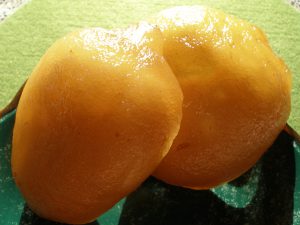
In its original form glacé peel – be it made from citron (cedro), lemon or orange – is a succulent, jube-like pleasure, headily fragrant and glowingly pretty.  During the slow process of candying, natural citrus oils are drawn deep into the skin from the outer layer of zest, along with brine and sugar syrup, saturating the peel and imparting a gorgeously glassy – i.e glacé – appearance.  In France and Italy, this luscious sweet-meat is not merely the obligatory addition to heavy festive baking, but a relished and costly treat to be savoured au natural.

Candying fruit is a true artisan craft, requiring great skill and patience. In years gone by, European candy makers would flaunt their talents through displays of whole pineapples and great hands of bananas – all perfectly preserved in this manner, luminously lovely as if they were carved from glass. Like so many traditional crafts, even in its home-lands, it is a dying art.  Little has ever been written about it – especially in English – and it’s a skill many years in the making.

Well I wasn’t about to let that get in my way.  When it comes to clever food – and candied peel is quite the cleverest – I have a child-like need to understand, to know how it works.  And bit by bit, like many foods before it, the baffling mechanics of glacé peel consumed my every thought. So I spent untold hours reading, bought a sack of sugar, purloined a load of lemons, suffered some nasty burns in unlikely places, and in an around-about sort of way, taught myself to candy.

The following recipe, the fruit of my labours if you will, produces something akin to a true Italian or French-style glacé peel. The finished goods should be translucent, delicately flavoured and fairly dry to the touch, and if stored correctly will last for several years.

But this isn’t one of those quick-fix, boiled-in-syrup and rolled-in-castor-sugar affairs so often presented as glacé peel.  This is a recipe for people who take their kitchen projects seriously, and for people who find happiness in geeky authenticity. People like me.

Technically, it’s possible to candy any sort of fruit, but so far my own ability and inclination has not extended beyond citrus peel.  That said, if you can manage it with a watermelon (why does that sound so indecent?) I just might want to marry you – gender irrespective.

At any rate, this recipe works swimmingly with oranges and lemons, but for some reason limes just don’t play nicely with the process – instead becoming leathery and ruddy.

All-up, the whole hullabaloo takes 2-3weeks; whether you’re working with 200 kilos or 200 grams of peel. Don’t let that put you off though – for most of that time the peel will be sitting in a bucket of syrup or brine, quietly minding its own business. The process relies on very little actual cooking, (which would impart a marmaldey-bitterness to the peel and damage its lovely svelte texture), instead employing the process of osmosis to draw tasteless, treacherous water from the tissue, and replace it with sweet, preservative sugar.

Glacé peel

This recipe is designed for roughly 1 kilo of peel, but you can safely multiply without risk of incident.

Ingredients:

1 kg organic citrus peel

1 kg+ sugar

1 kg salt

2 cups+ glucose/dextrose powder (available at the supermarket or a home-brew shop) 


1.    Use only organic citrus peel -the thicker the better. (The skin of conventionally grown citrus is not intended for human consumption, and is therefore doused repeatedly with some very nasty things indeed. Organic fruit is not spray-free by any means, but the chemicals used are considerably less life-threatening.) Peel the fruit into two or three large sections (this is purely an aesthetic thing), and take care to remove all fruit pulp.

2.    Make a brine solution from a kilo of non-iodised sea salt stirred into to about 8 litres of cold water.  Add the peel and use a weighted plastic colander or sieve to keep it completely submerged.  It’s important that nothing metallic is left in contact with the brine; the slightest hint of rust will taint an entire batch of peel.  Keep in a cool dark place and drape with a tea towel to keep out flies.   

3.    Check the peel each day and carefully remove any scum or mould that forms on the surface.  The peel will require approximately 1 week in the brine. 

4.    After 1 week, drain and rinse the peel in fresh water. 

5.    Make a syrup from 4 cups of water, 1 cup of sugar and 2 cups glucose powder.  Bring to the boil and simmer until sugar and glucose are dissolved.  Remove from the heat and add peel. 

6.    The next day, remove peel from syrup, add 1 cup of sugar and re-boil. Remove from heat and return peel to hot syrup. 

7.    Repeat daily for five days. 

8.    At the end of five days the peel should look quite translucent and the syrup will be very thick.  Remove peel from syrup and carefully wipe away any excess.  (The left-over syrup can be used as a sauce for desserts/cakes.) 

9.    Dry the peel in a very low oven (well below 100° Celsius) or a dehydrator, until the pith no longer exudes syrup when gently squeezed.  Take great care not to over-dry or burn the peel.  

10. Once dried, allow peel to cool completely. Rub with a very small amount of olive oil (to prevent desiccation and crystallisation). Keep in an airtight container in the fridge. 

Use your peel (roughly chopped) in Christmas cake, fruit mince, Christmas puddings, hot-cross buns, Panettone, Pandoro, Cassata, sliced very thinly and served as part of a cheese platter, or dipped in good quality dark chocolate. 

So forget all you think you know about glacé peel, because believe me – this is not just any old peel. 


Have you started your Christmas baking yet?

What do you have planned?

Water, water everywhere so why put it in a bottle?

Virgil Evetts


I’ve been having a bit of an internal debate lately about the pros and cons of bottled still water (of the Pump et al varieties). It doesn’t concern me that much of it consists of little more than filtered tap-water – it doesn’t purport to be anything else (with exception of that curious phenomenon, the Sports Water).  Nor am I worried about the risk of contamination from the various carcinogens and pseudo-hormones that may or may not migrate from plastic to water -a deep breath of Auckland air probably does more to bother your immune system.  My concern is more a matter of ethics and priorities.

The cult of the water bottle is a powerful force. To younger consumers a bottle of water is almost as indispensible as a mobile phone.  It’s an accessory.  And this has not happened by mere chance, but by way of a concerted effort from both the beverage industry and health authorities (not that they are in cahoots), to convince people of the sexiness and health benefits attributable to drinking water. It’s a little worrying that we need to be told to do something that should be instinctive and is essential for our survival, but whatever works, I guess.

As someone who works in the education sector, I can tell you from experience that hydrated children are more effective learners than the parched alternative. The contrast is extraordinary and the evidence overwhelming.  It has been a delight on a number of levels to observe the slow but steady replacement of luridly coloured soft drinks with water in packed lunches over the last decade (although there is still plenty of room for improvement here).  Soft drinks are known contributors to obesity and type 2 diabetes rates, and in my view barely rate as safe for human consumption – let alone as dietary staples. So to me, this is an immeasurably important social change.

But.

And this is a very serious “but”.  Do these benefits outweigh the negative environmental impacts caused by the resulting plastic waste?  Food-grade plastics are not easily recyclable – or to qualify that, recycled food-grade plastic has limited industrial use, and the surplus slag (shredded or pelletized waste plastic) in the world today considerably outweighs any demand.  So it might as well be going into landfills – and much of it does.  While this is also true of the packaging from most of the foods and drinks we buy, the difference here is that water is piped into our homes, offices, schools, sports clubs etc.  It doesn’t need to be bottled; we just seem to prefer it that way.

Further to this, and it might sound like niggling (hey, I’m nothing if not pedantic) – what about the energy used manufacturing the bottles, the petrol used in shipping the finished product, the associated carbon dioxide pouring into the atmosphere…?

I should probably add that I’m very fond of bottled sparkling mineral water. I don’t drink it as an alternative to tap water; I drink it as a beverage in its own right. I like the flavour, the way it tickles my palate, and I think it enhances the overall dining experience.  Maybe that takes away my right to grumble?  I don’t care; there’s no law against hypocrisy.

What do you think?


Is it more important to have a hydrated population- especially children or to reduce what is in this case completely unnecessary plastic waste?


Banana Saturation

Virgil Evetts

I just had to share this picture. You are looking at one obscenely large plantain (starchy cooking banana), given to me last week by someone who takes pleasure in surprising me with strange fruit. Apparently it’s peak banana season in the tropical Pacific right now, and a Samoan friend, who has reached the point of what she describes as ‘annual banana saturation,’ has been using her surplus glut to educate me on this clan of fruits’ many uses in Samoan cooking. She burst into my office one morning last week brandishing this monstrosity – which caused quite a stir amongst my colleagues (including, I might add, some rather childish tittering).

In its unripe, starchy form, this variety of plantain is most popularly cooked with coconut milk and onions. I can testify first hand that however basic this may sound, it’s an excellent dish – if a touch too heavy for my everyday tastes. I’m assured that’s it’s even better with the addition of tinned tuna (my most despised of all food-stuffs). No thank you. Given time and neglect the fruit ripens to a pink-fleshed, sickly-sweet giant, with enough sugar and fibre to induce dual bouts of diarrhoea and diabetes.

While we’re on the subject, I am currently working my way through my very first crop of home-grown bananas, and they are now officially my favourite backyard fruit. I’m growing a hardy Samoan variety called Misi luki, which produces huge bunches of richly-flavoured, sugar-sweet ladyfinger-type bananas. The sticky sweetness of the flesh is nicely off-set by a slight edge of acidity, a quality so often missing from-ho-hum shop-bought bananas.

Much of the North Island is suitable for growing bananas (and possibly a few pockets of the South Island too), and the plants, with their great, flapping green leaves, bring a real tropical ambiance to the garden. Russell Franshams’ Subtropicals Nursery in Matapouri offers an excellent selection of banana cultivars to choose from, and he’s happy to ship nationwide.

I’m always on the lookout for new backyard crops – what’s your favourite?


On The Snail Trail

Virgil Evetts

I used to view snails on a dinner plate with such squinty-eyed scepticism – for all the usual reasons I suppose – their sliminess, their squelchyness, the havoc they wreck in the garden. On the rare occasions when I’ve felt (reluctantly) compelled to push aside this prejudice for a tong-full of butter-sodden, grilled (and most assuredly tinned) escargot, I’ve been underwhelmed at best  by what little flavour was left standing under the onslaught of garlic (and quietly horrified if I’ve paused to examine what I’m slipping into my mouth). So it would be safe to say that up until very recently, when I experienced a minor gastropodal epiphany, I was no great fan of the snail in any way, shape, form or location.


It’s quite an achievement to change a person’s (culinary) perspective – period; and pure witchcraft to do so with the lowly snail.  Yet Raewynne Achten and Jaye Sims, of Hawkes Bay-based Silver Trail Snails, managed just that with this humble food freak. I met this good keen pair of snail-pokes at a small soirée in Napier recently which featured the fine company and wares of several esteemed Hawkes Bay food and wine producers.  While there was much to ooh and ahh over that evening, the star attractions for me, and certainly the cause of the greatest stir, were Silver Trails’ fabulous fresh snails -served either crumbed and deep fried, or in the form of an excellent pâté with pork shoulder. I can be a jaded, unmoveable cynic at times (more often than not if I’m honest), but these snails delivered exactly what I crave in food – surprise, excitement and innovation.


Unlike the black and very chewy tinned French (-labelled but mostly Thai-produced) Burgundian snails, which are the most commonly available in New Zealand, fresh petit gris (garden snails) have a delicate texture, reminiscent of very good squid, and a flavour somewhere between clams (cockles) and mushrooms.  They really are quite startling good – not that I should be surprised; snails have been eaten by humans throughout the world for thousands of years and have acquired the status of a true delicacy in many cuisines. Unlike many ‘gross – factor’ novelty foods (scorpions, snakes, prairie oysters et al), snails are not merely edible, they’re delicious. I’m just sorry I wasted so many years determinedly avoiding them.


While the larger Burgundian (Helix pomatia) variety is the most famous of the European edible land snails, it’s considered by some to be inferior to the common garden snail, or petit gris (Helix aspersa).  This is the very same creature we routinely poison with pellets, stomp on with glee and curse to Hades in the vege patch.  Now before you get too caught up in flights of fancy (as I did) about making the best of a bad situation, although a committed gardener/cook technically could harvest and prepare their back-yard nemesis, it is a laborious and time-consuming process. The snails require a protracted period of purging on bran  to clean their guts of toxic or disease-carrying matter, followed by a great deal of fiddly cooking and shelling. A job best left to the experts methinks. Having said all that, one of these days, too-much-time on-his-hands food geek that I am, I’ll probably give it a whirl.


Snail farming, or heliciculture (who knew it had a name?), is certainly a specialist field and a rather niche endeavour to say the least.  Silver Trails are currently the only commercial operation in New Zealand, but through the sheer quality of their products have earned a loyal following among some of New Zealand’s best-known chefs, including Tony Astle (Antoine’s) and Martin Bosley (Martin Bosley’s Yacht Club Restaurant). 

Raewynne and Jaye originally conceived of the business as a means of making a relatively easy income from their modest Hawkes Bay lifestyle block. But the pair quickly learned that snail farming is not quite the walk in the park they had imagined and, being as it was an almost unchartered territory in New Zealand, they endured their fair share of pioneering trial and error along the way. But despite the best efforts of marauding birds, and the unpredictable extremes of the Hawkes Bay climate – ranging from scorching heat to floods – the business prevailed and is now turning more than a few heads in food trade, with production increasing every year. Silver Trails expects a harvest of around 100,000 snails this summer season alone.


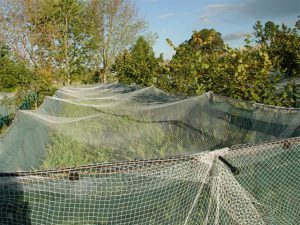
Silver Trails breed and rear their snails in outdoor enclosures, which offer shade and protection from predators as well as plenty of food in the form of living brassicas and plantain. Only the biggest, plumpest snails are selected for harvesting, which occurs during the summer months when they are most active and rapidly gaining weight.  The snails are sold pre-cooked, whole and un-gutted. This makes for a better-looking (the blackened splatter that is the tinned and gutted French snail attests to this) and, experts insist, better-tasting snail.


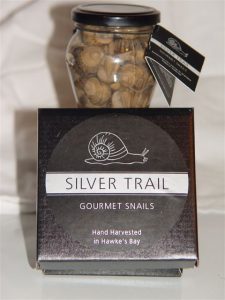
At present Silver Trails supply fresh, whole snails direct to restaurants, and jars of snails preserved in white wine and cider vinegars for the general retail market. The snail and pork shoulder paté mentioned earlier is still a product in development, but I for one would be greedily pleased if it appeared for sale (hint-hint if you’re reading this Raewynne and Jaye) in the future. It has all the best qualities of a rustic French country pate with a unique and delicate sweetness imparted by the snails. My kind of food.


The world is awash with recipes for snails if you care to look – from paella to pasta, risotto to soup – but to the snail neophyte, and let’s face it, that’s most of us, I would suggest starting with something a little less confrontational. The standard French bistro approach is to pop the pre-cooked snail back into the shell along with a generous plug of parsley-flecked garlic butter (go easy on the garlic with this recipe, as the fragile snail flavour can be lost so easily), and then grill until sizzling and oh-so-fragrant.  This makes a fine and dandy morsel when served with good, crunchy baguette and plenty of rough red wine.


The best way to approach any natural revoltion you may have at the thought of eating snails is to remember that, in fact, all shellfish – be they mussels, oysters, paua or clams – are really just types of snails. If you enjoy eating those, land snails shouldn’t be too big a leap.

Do try snails if, or when, the opportunity should present itself, because like me you might just discover a slimy new love.


We have a jar of beautiful Hawkes Bay snails- kindly supplied by Silver Trails Snails- to give away to one lucky Foodlovers reader. To enter, just tell us about the scariest thing you’ve ever eaten…


Viva Vanilla!!

Virgil Evetts

As a decidedly amateur grower of exotic and impractical food crops, I almost choked on my toast yesterday morning when I read about the big food news out of Tauranga – that a New Zealand company had achieved the impossible- growing and harvesting a vanilla crop outside of the tropics. This was enough to make a die-hard food-ophile and plant geek tear-up just a little. Well, nearly.

The Reunion Food Company, a New Zealand owned but mostly Kingdom of Tonga based vanilla producer (retailing as as Heilala Vanilla) has been operating an experimental greenhouse facility on the outskirts of Tauranga for around 5 years now and I have been quietly watching (yes, I’m a shameless food stalker) with high hopes and great interest. While modest in volume (at around 2 kilograms) this very first crop of 100% New Zealand grown vanilla is, according to Reunions’ Jennifer Boggiss showing distinctive flavour and aroma notes which set it apart from the company’s already highly regarded Tongan product, another example perhaps of the many nuances of terroir. The Tauranga crop is too small for general retail sales, but will be distrubted to selected local chefs in early 2010.

For those of you who don’t know (or missed Michal’s excellent article of a few months back), Vanilla is produced from the partially fermented and dried seed pods of a variety of tropical orchid- Vanilla planifolia. In its’ raw form, the vanilla pod is plump, emerald-green and completely lacking in the classic vanilla flavour or fragrance. Outside of its natural range (parts of Central America), where vanilla specific pollinator moths exist, all vanilla flowers must be hand pollinated (at night), then when the pods have formed hand-picked and carefully and very laboriously processed into the product we know as vanilla. The entire process takes many months.

At this stage , with a modest 300 plants it is likely that Reunions’ Tauranga operation will remain a research facility, benefiting the main Kingdom of Tonga plantations. However, scale is irrelevant here, this a massive achievement for both the Reunion Food Company and New Zealands’ standing as a world leader in horticultural practise and innovation. Truly something to be proud of.

I can personally recommend Heilala Vanilla products for both quality and value for money, further more the company – initially established as part of an aid programme for the impoverished Vava’u Island region- has helped to substantially improve the standard of living for the local community. What’s not to like about these guys?


To go into the draw to win a prize-pack of fabulous Heilala vanilla post your favourite ways with Vanilla below!

Plantains-a-plenty

Virgil Evetts


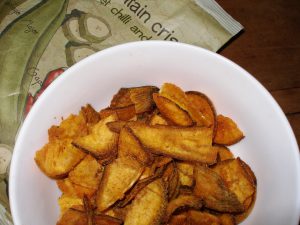
I was recently reminded of the buzz caused on the Foodlovers Forums by the arrival of Plantains (starchy cooking bananas) in local fruit shops earlier this year. Whilst shaking my head and smirking my way through an isle of increasingly preposterous flavours of Walkers Crisps (to be fair, the Peking spare-ribs rendition was disturbingly accurate) in a branch of the lah-de-dah Waitrose supermarket chain in London, I happened upon a packet of Waitrose spicy plantain crisps. Naturally I had to try them.

Bloody glad I did too. They had a better crunch and far superior flavour to the usual potato equivalent and the chilli and lime flavouring was really very authentic. According to the ingredients list they are a relatively healthy snacking option, consisting of nothing more than thin slices of plantain (skin-on- yes I was surprised too) deep fried in sunflower oil until crisp and sprinkled with the apparently natural lime and chilli flavouring. Healthy as far as deep-fried, starchy foods go I guess.

There was some cock and bull story on the back of the pack about the crisps being made in small batches by a family of artisanal plantain fryers in the English countryside, which sounded a bit silly when you consider that all of the ingredients are imported, but marketing spin aside this is a high quality and more importantly highly delicious product.

Unfortunately- and don’t think I haven’t been looking- nothing like this is available in New Zealand yet, so you’ll have to subdue any salivation for the time being. I know, I’m such a tease.

But who needs off-the-shelf anyway?  It’s not like making chips requires a recipe or any great skill, now is it? Aren’t we all can-do cooking types in here?

My advice, if you really want to appreciate handsome green plantains at their best, is to follow the Waitrose example and get thee to the chip-pan. I will certainly be doing so when next I see them at my local fruiterers.

So based on the lethally lovely Waitrose rendition described above and extrapolated from common sense and potato chip cookery, here is my utterly untested recipe:

Plantain Chips

Preheat vegetable oil for deep-frying to about 170 Celsius

Slice the unpeeled plantains thinly, pat dry if necessary (to avoid spiting and frothing from the oil) and fry until golden and crisp.

Drain on kitchen paper and sprinkle with salt and chilli powder.

Plantain chips are very, very good with a glass of wine or whilst patiently waiting for your best beloved outside Habitat or any other shop you don’t really care to enter.


Please try this recipe and let me know how it works out. The same method could also be applied to parsnips, celeriac and beetroot. These are all very popular in crisp form in the UK at present


Long-haul gluttony

Virgil Evetts

Being on the receiving end of long-winded holiday recaps can be so bloody boring don’t you think? It’s like hearing about a really great party that you wern’t invited to.  So, as much as possible, I like to let the pictures do the talking when it comes to travel stories.  And that was certainly my intention here, but it looks like the keyboard has run away with me again.  Sorry.  Feel free to skip to the pictures if you’re that way inclined.  And before you ask, yes they are labelled – just move your pointer over them and all will be revealed.

Singapore

Singapore is easily one of greatest food cities in the world.  This melting pot (what the hell is a melting pot by the way? ) of Indian, Malay, Chinese, Peranakan (Nonya) and European cultures offers something for all tastes.  While the city has a number of internationally-regarded fine dining establishments, it’s the street food that really counts here.

Hawker centers can be found all over the city, offering a bewildering array of cuisines, consistantly high quality and low prices.  Depsite the somewhat rough-around-the-edges appearance of some of these places, the Singaporean Government keeps a close eye on hygiene standards, and food poisoning is probably rarer here than in New Zealand.  A visit to one of Singapore’s wet markets should also be high up on any foodies’ must-do list: but be warned, along with the fabulous fruit and vegetables, you will also see a good many animals being briskly dispatched and dismembered, including some you wouldn’t immediatly regard as edible.  If you need a little fresh air after this, I can highly recommend a stroll through the excellent spice garden in Fort Canning park.

Highlights:

Paratha (roti): Served with dhal or potato curry for – breakfast! It doesn’t get much better than that.

Kaya: Pandan-flavoured coconut jam spread thickly on toasted white bread. A Singaporean institution.

Bak kwa: Amazing smokey sweet pork jerky.  Extraordinary stuff.

Ikan Bali: Sweet and spicy fried fish at Padang Padang, in the excellent food court of the gargantuan Ion Orchard mall.

Satay: Skewers of beef, pork, prawns, lamb, chicken and duck served with perfect peanut sauce at Lau Pa Sat food centre.

Sugar cane juice: Ice-cold, freshly squeezed (through a very dangerous looking giant mangle) and utterly delicious.

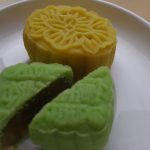
Snowskin Mooncakes: These delicately-flavoured and highly decorous mid-Autumn festival treats are just perfect with strong green tea.  Hell, they’re just perfect any which way.


Southern Thailand
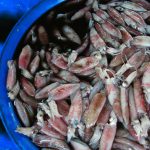
 

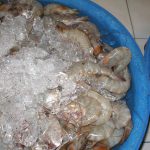
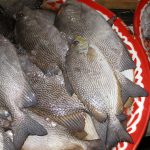
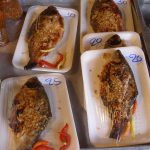
A province of Malay-influenced, yet still distinctively Thai, food.  Seafood abounds in the cooking of this narrow, coastal region, and thanks to the woeful state of the Thai economy it’s usually dirt cheap. Markets are well stocked with jumpingly-fresh fish, prawns, crabs and more, along with many other tempting delights both sweets and savoury – not to mention spicy.

Highlights-

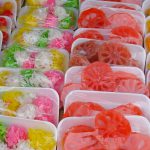
Thai sweets: Luridly-coloured but intriguingly flavoured with salty-sweet combinations of coconut, pandan and jasmine flowers.

Pineapples: A local speciality in the South, and probably the best I’ve ever eaten.  Think fragrance, think juice.

Santol: Little-known fruit outside of Thailand, but worth seeking out for its lovely pineapple/strawberry flavour and peach-like juiciness.

Yellow curry: Predominantly flavoured (and coloured) with turmeric, which when used with such unbridled enthusiasm as is de rigour down south, brings a lovelly resinous, peppery quality to the dish.

Kai yang: The best chicken dish ever.  Seriously.


London

 

Forget all those negative conatations about British food.  London is a world class food city – years ahead of Auckland,  Wellington or even the uber-urbane Melbourne.  The sheer range of ethnic eateries is breathtaking and, if you know where to look, the quality and variety of produce simply extraordinary.

Borough Market: down by the Thames (and near the magnificent Tate Modern gallery), is this raucous, sprawling treasure trove of some of the finest produce I’ve ever seen assembled in one place – from wonderful English cheeses, ciders and game, to superb fresh fruit and small goods from the continent and beyond.  Admittedly, it’s very much a hangout for the sort of wealthy Londoners who like to throw pretentious dinner parties, but the atmosphere is very pleasant and prices surprisingly reasonable.

The food halls of Harrods and Selfridges are both eye-popping exercises in edible excess.  Every imaginable high-end food stuff and drink is available and displayed with deft artistry.  But bloody hell, you don’t half pay for it.  Quite literally conspicuous consumption.

Although the pound-to-NZ dollar conversion can be a bit hard to swallow at times, good quality affordable meals can still be had in London. Many restaurants offer excellent value lunch time deals of as little as seven quid for a decent plate of pasta or pizza and a drink.  Competition is stiff, so the quality is generally high.  At the other end of the spectrum, there are plenty of places where you can easily part with $500 for a light lunch.  Generally speaking , the further out of London city proper (the old city), the lower the prices.

Highlights-

Burmese food: A surprising blend of Indian, Thai and Malay aesthetics.  I really look forward to the day when Burma becomes an ethically-permissible holiday destination again, so I can properly explore this cuisine.

Cider: From New Forest Ciders in Hampshire, this is the real deal – balanced flavour, super-dry and strong as an ox.

Nduja (en-doo-ya): A spreadable salami from Calabria in the far south of Italy, Nduja is loaded with fiery Calabrian chilli, rich creamy fat and an afterthought of pork meat.  Stunningly unhealthy stuff but damn!!

Waitrose supermarket: Like an enormous deli with supermarket prices (sort of), and an in-house magazine that puts most real food publications to shame.  Foodtown-schmoodtown.


Tuscany

What can I possibly say about the food of Tuscany that hasn’t been said too many times before?  Yes, Tuscany gets far more attention than it probably deserves in the global scheme of things, but the fact remains that when Tuscan cooking is good, it’s startlingly good.  Even the low points would seem stellar in Auckland.

Highlights-

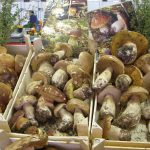
Fresh porcini: Known to most of us in their dry form, porcini mushrooms are one of the key-stones of the Italian food identity. As the season was well underway while we were there, these were on the daily specials boards of almost every restaurant we passed.  My favourite way with the king of fungi was simply sautéed in butter and tossed through fresh tagliatelle with a little parsley.

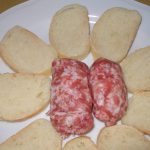
Raw pork sausages from Volterra: I was bit nervous about the prospect of eating raw pork mince, but the delicate spicing and rich, luscious texture of these quickly banished all fears.  Among the finest things I’ve ever eaten.

Consuming prodigious quantities of: Parmigiano reggiano and prosciutto cruda with devil-may-care abandon.  They’re both so bloody cheap in Italy you can afford to eat them like Chesdale and luncheon sausage.  I’m yet to be convinced that one can ever eat too much of this sort of thing.  I hear the Heart Foundation thinks otherwise…

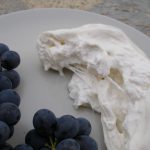
Buratta: Cows-milk mozzarella, with fresh double cream folded into its filament-fine silken layers. Beautifully moist, succulent and sweetly-scented, with a flavour that can only be described as pastoral. One of the finer moments of this trip involved watching the sun set over the thickly wooded Chianti hills, eating mouthful after luscious mouthful of burrata and freshly picked sangiovese grapes, while sipping Chianti Classico (made from the very same sangiovese grapes). Picture-postcard cliched bliss!

Premixed Campari and soda: Cute retro bottles, and the finest drink for a hot summer day, Campari is virtually part of the Italian psyche.

Good food- it’s everywhere!: Affordable and very good quality food is available in even from the most unlikely of places in Italy – such as railway stations and airports.  At Florence’s railway station (Santa Maria Novella), I lunched on freshly-made prosciutto cruda panini with excellent pane Toscana (unsalted Tuscan sourdough), slices of crisp pizza bianchi with potatoes and truffles, and perfect fresh cannoli –  washed down with blood orange juice.  You would never find this in New Zealand.  The difference is, I think, Italians simply don’t tolerate bad food anywhere, and New Zealanders are just glad to escape botulism.

Coffee: The Italian tradition of paying less to drink coffee at the bar than at a table is right up my alley.  Users-pays (or doesn’t) in action.  And did I mention the coffee is gooood?  Watching American tourists ordering una latte and being presented with a glass of cold milk by the bemused barrista never gets old either.

Eavesdropping…

I like eavesdropping when travelling- either to test my rudimentary grasp of another language, or just to be nosey around people I’ll never have to see again.

Chianti local discussing Sting ( you know: blah blah blah rainforest, blah blah blah fields of gold…), who has a house in Castellina, the town where we spent most of our time: “He makes some wine and oil on his estate up there. Of course it’s no good at all…the butcher is very friendly with his wife.  Every day it’s good morning Signora Stin-ga, how are you today Signora Stin-ga?”

Italian shopkeeper explaining why her large dog is chained up inside her shop and howling like a moonstruck wolf: “He is very sad today. You see, he is in love, but it is forbidden he wander the village”

Waiter: “Signorina, do not order the salad.  Salad is not good for the health.  I have some very nice veal today…”

Appalling English woman at Pisa airport: “I know I should be more tolerant, but I really do think they could make more effort with their English.”



iDon’tSnack 2.0- UPDATE!!!!!!

Virgil Evetts

Yes. Hello, I’m back at home now and I’ll be sure to bang on about the wonders of Italy, Singapore and London in gratuitous detail shortly, but first I need to address a more urgent matter.

Vegemite iSnack 2.0. Seriously? Yes, I know it’s supposed to be a bit funny, tee-hee, blah blah. Well it isn’t. Not only does it have all the comedic impact of a joke thought up by a chartered accountant (which it probably was), it’s just plain weird. Making a spread sound like a new Apple product was never going to win favour with me anyway. As anyone who knows me will recall, I have a long standing and highly irrational policy of boycotting all Apple products.

It was strange enough that Kraft chose to launch a product that nobody asked for in the first place, but to then call it something so patently odd makes me bloody glad I don’t own shares in the company. To be fair, I don’t suppose the Kraft marketing team are used to much in the way of challenges are they? Perhaps Word has a product branding tool that I don’t know about:

You appear to be trying to name a new product. Would you like to use Words’  bewildering and random brand-name wizard?

8:01 AM, Thursday October 1

Good News!

Kraft have had enough time sitting in the corner now, thinking about their actions to realise that the name is utter pants and have therefore dropped it.

Another victory against the forces of stupid.

Asparagus Fever

Virgil Evetts

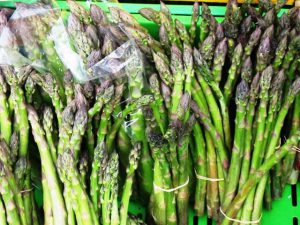
I’m one of those people who sulks and pouts their way through the dark months. I loathe the short days, cold nights and the lack of vital produce, and so desperately wait for the first tell-tale signs of spring. Buds on fruit trees, love songs from black birds and all associated optimism all help lift my spirits, but nothing quite says spring to me like the arrival of the first asparagus.

Not only does the arrival of asparagus do wonders for my serotonin levels, but it’s also one of my favourite vegetables taste-wise, and the first one I remember really enjoying as a child. But then I suppose I wasn’t exactly a normal child.

Asparagus is a bushy deciduous plant native to Europe and Asia, and is often mistakenly described as a fern on account of its frond-like feathery growth. The parts we eat are the very young shoots which start to appear in early spring and carry on up until midsummer. Although the asparagus season is quite long, with different varieties successively coming online, the very best asparagus is found in spring, when the shoot are still pencil-thin, sugary sweet and full of that uniquely asparagus flavour. But beware of thick, tree-trunk like asparagus: although it may look to be bursting with verve and crunch, it is often woody and lacking in flavour. A lot of this stuff turns up late in the season quite cheaply when the wholesalers are trying to move the tail end of the crop.

I always celebrate the annual arrival of asparagus by making a creamy, delicate asparagus risotto. This is the perfect dish for marking the end of winter, with its gentle herbaceous flavour and the delicate crunch of the barely cooked young shoots. At the most I garnish it with crispy twist of sautéed prosciutto and sprinkle of wine.

My earliest memories of asparagus stem from return trips to wellington aboard the Silver Fern. This was in the final days of rail being a viable, or even possible, way of getting about the country. It’s a bloody long journey by slow train, but a breathlessly exciting experience for a small boy from the city, punctuated by stops at obscure main trunk towns, and the periodic arrival of the complimentary refreshments trolley. Along with the gallons of tea (still served in those charming Crown Lynn cups), ANZAC biscuits and mini-mince pies that were handed out along the way, were old fashioned uber-kitsch (even in the early 80’s) asparagus rolls. Made with tinned asparagus and pappy white bread (crusts removed, naturally), these were an icon of the New Zealand tearoom scene from the 1950’s. NZ Railways never really escaped the 1950’s, and if they hadn’t been sold for a song some year back, I’m sure they’d still be dishing up the very same food and curt service today.

Although not remotely comparable to its fresh counterpart, tinned asparagus is not without its charms. Due to being cooked at very high temperatures, it has a silky (a less charitable person might say slimy) texture, and sweet, earthy, almost nutty flavour. Although I normally cross the road to avoid food like this, I have an inexplicable fondness for tinned asparagus. Call it nostalgic masochism if you will.

As summer rolls along I briefly come over all alpha-male, fire up the BBQ and, among other things charred and smouldering, indulge in good deal of BBQ asparagus. I make a marinade of 2 parts dark soy sauce, 1 part peanut oil, 1 part chilli oil and a little brown sugar. I liberally brush this over the grilling asparagus until slightly shrivelled, embarrassingly limp and utterly delicious. Serve this with whatever else you happen to be burning at the time.

Thinly sliced raw asparagus makes a beautifully crunchy and clean tasting addition to spring salads, and all on its own-some makes exquisite crudités for dipping in freshly made balsamic vinaigrette. I ignored this idea for years, thinking it to be more of that boring sort nonsense health-freaks like to pretend is tasty. I was a rash fool – its child’s-play simple but disarmingly delicious.

My grandmother was a woman of generous proportions (if not disposition), which was due in part, methinks, to her firm belief that butter was a condiment. Most of her cooking was ‘seasoned’ with salt, pepper and a liberal dousing of butter. She had particular fondness for steamed asparagus, swimming in a golden slick of perfect, molten butter. This remains one of my favourite ways of enjoying both asparagus and butter. While I may not have quite the same disregard from my arteries and girth as my late Nanna, she did have a point about butter. It’s the perfect embellishment to the very best produce.

Asparagus has a natural affinity for eggs. Steamed asparagus, served with quivering poached eggs and richly silken hollandaise, is a brunch of the most regal proportions. Back in the 80’s when complimentary vegetable sides were still the norm in Auckland restaurants, asparagus with Hollandaise or vinaigrette was a very popular choice. Having grown up in the restaurant industry, I still baulk at having to pay extra for a side salad or plate of steamed greens: labour costs be damned.

The two main colour varieties of asparagus seen in New Zealand are green and purple, but in terms of taste they are much of muchness. However, in Europe white or blanched asparagus is a popular and pricey seasonal treat. This is produced by keeping the emerging asparagus shoots in complete darkness, and thus preventing chlorophyll from developing. It’s a carefully tended crop, is picked by hand and must be kept in darkness right up until the point of sale. So it’s no surprise that it costs many times more than regular asparagus. White asparagus is produced on very small scale in New Zealand, but is almost exclusively destined for the off-season export market. It has a very sweet, mild flavour, and should be dressed with nothing more than a little extra virgin olive oil or butter. If you’re lucky enough to find some, snap it up quick smart.

The one black mark against the otherwise saintly status of asparagus is the rather antisocial affect it has upon certain bodily functions. More to the point, it makes your wee smell nasty. Noxious and obnoxious though it may be, this odour is a harmless side-effect of various sulphur compounds present in asparagus being broken down. It’s nowhere near as disturbing the post-digestive affects of too much beetroot: beetroot pigment passes through the personal plumbing unchanged and ominously sanguine, thus creating the alarming impression that you are haemorrhaging like a Romanov with a paper cut.

Asparagus crowns (dormant root clumps) are available from garden centre during the winter if you care to grow your own. They are not difficult plants to grow, and the feathery summer growth and golden autumn finale is very ornamental. But in most backyard situations, it’s not all that practical or even possible to grow enough asparagus to make it worthwhile. The plants take up a lot of room, need a permanent bed, and only produce edible shoots for a few months each year. But those of you in the provinces, with backyard space to burn should definitely lay down a bed. When it comes to asparagus, fresh really is best.

So for me, the appeal of asparagus lies not only in its exquisite taste and texture, but also because it signifies the end of the monotony of winter and the return the warmth and vitality that is spring.

What are your favourite ways with asparagus?

Thailand Tell All

Virgil Evetts

Im just grabbing a moment here in Florence to say a quick buongiorno, and to rub your nose in how very pleasant a time I’m having abroad.

Thailand was wonderful, peaceful, pressure cooker-hot and, most importantly for the sake of this little outpouring, utterly delicious.

For me, one of the major edible highlights were the wonderfully nuanced green papaya/green mango salads. Despite being mind-blowingly hot from the liberal use of the tiny malevolent chilies favored by the Thais, these are most refreshing in the cloying tropical heat. Served with steamed or sticky rice (the favorite in southern Thailand), these make a very pleasing meal- the sort of thing that just makes you happy.

The Thais have a very deep respect for rice. It is treated as the most important part of every meal. The myriad salads, curries, relishes et al that make up much of what we think of as the Thai cuisine are seen by Thais as mere seasoning to the real food event, the rice.

One of the best dishes I indulged in (or I should really say overindulged as I was already quite uncomfortably full at the time), was Kai Yaang, a fabulously simple dish of charcoal grilled chicken from the northern Thai province (famed for its food) of Isaan. Not exactly a local specialty in the far south, but staggeringly good all the same. It was only a stern glance from my best beloved that stopped me from ordering another plateful. Her stern glances keep me out of all kinds of trouble, you know.

Southern Thai curries can be the hottest in the whole country -the locals tend to be kinder on farangs (foreigners), but even these sanitised versions are still hot enough to violently drain the sinuses and scour the tongue (not to mention regions further south). Yellow curries are the commonest form in southern Thailand, which reflects the strong Malay influence of this area. The golden hue comes from a very generous hand with the turmeric. In such quantity the delicate, slightly resinous flavor of the spice (a variety of ginger) shines through. Southern curries are also decidedly saltier than the better known red and green curries of other regions, which are often sweet to the point of being sickly. I find the southern Thai approach brings a pleasant balance to the food.

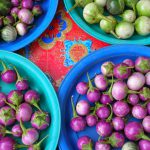
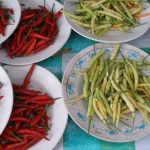
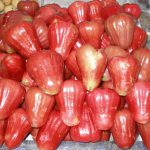
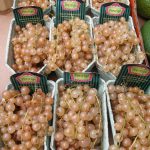
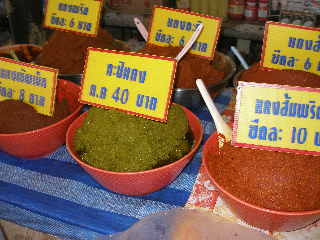
As always, I spent a lot of time in the local markets, which were awash with the very best produce, almost too pretty to eat. Almost.

Ok, this Italian keyboard is driving me totally barking, so bye for now.

Next time- more Singapore, London! London! London!, the generous pleasures of Tuscany, and more pictures too. I’m currently using the slowest internet connection I’ve ever encountered, so can’t upload more here. Arrivederci, V.

Mince Words

Virgil Evetts

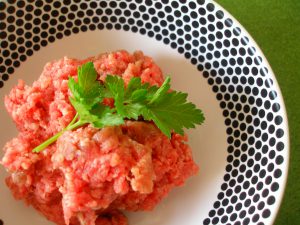
Mince gets a bad rap these days. It’s gained a low-rent reputation, and is subject to so many scurrilous lies and rumours about its origins – nought but snouts and sphincters according to some. But preciousness and pretensions aside, mince is (usually) affordable, highly versatile and curiously comforting stuff.

Although there are probably a few less-than-scrupulous butchers out there, modern mince – be it of beef, pork, lamb or chicken origin) is generally free of offal or floor sweepings. There a number of regulatory reasons for this, but it’s mostly because offal is perfectly saleable individually, and its addition affects the colour, flavour and shelf life of the mince. So in this modern and excessively sterilised age, minced meats is most often just that – finely chopped and ground muscle tissue, fat and maybe the tiniest bit of sinew.

Mince is often criticised for being excessively fatty, and while it’s certainly true that the cheaper the mince the higher the fat content, it doesn’t naturally follow that this any bad thing.Fat carries flavour, and improves texture and mouth feel. Super lean beef mince for example may be kinder on the ventricles than its fattier kin, but it sure makes for some tedious eating.

Good quality mince should be lean, but not anorexic. If you’re really in froth about the lipid count, you can dry –fry it and drain away any excess fat, or allow the dish to cool completely and skim off the solidified, rendered fat.But let’s not be too paranoid. Fat, per se is not dangerous – it only becomes so in the hands of ill-disciplined eaters and irresponsible cooks.

Mince-based meals are almost universally popular with children, who often don’t appreciate the texture and toothsome nature of large cuts of meat. As a small child I certainly felt this way. Many of my favourite dishes were mince-based too, including my most beloved childhood dinner of all- lasagne. I originally pestered my mother to make this on account of it being the food of choice for Garfield the cat, who was something of hero of mine, due to his shameless gluttony, dry wit and violent intolerance of stupidity. I learned such a lot from that cat.

Lasagne can be a bit of chore of a dish to make, requiring two separate sauces: the (usually) beef mince based ragu and cheese béchamel, and then followed by baking. But in my books, it’s always worth the effort, with its crunchy crust and steaming layers of silken pasta, velvet, rich béchamel and full flavoured ragu.

As an adult I’ve come to find the name meatloaf strangely disturbing – a loaf of meat?! But I certainly savoured it as a child, and when well executed meatloaf can be a very decent dish by any reckoning. I’ve encountered some rather desperate attempts to modernise meatloaf with the addition of various Asian and Indian spices, but personally I can take or leave this kind of meddling. Like so many things, the (unlikely) charm of a good meatloaf is in its simplicity.

I recently read an excellent article in Australian Gourmet Traveller which asked several well known Australian chefs to describe their family recipes for spaghetti Bolognese. Every recipe was different- some insisting that only beef mince is canon, while other argued vehemently in defence of pork mince. Some swore by white wine, some red – still others included milk, or chicken livers, bacon or mushrooms. None of these were restaurant-quality dishes, but just the various ways these chefs had learned to make spag bol at home. A purist will tell you that these modern pretenders are nothing at all like ragu ala Bolognese (the original spag-bol ), but does it really matter? I’ve eaten some wonderful homemade spag-bol in New Zealand, and some terrible so-called restaurant quality ragu ala Bolognese in Italy and vice versa. Provenance alone does not make a meal great – ultimately it is only as good as the love and care imbued by its creator. Regardless of your familial flourish, spaghetti Bolognaise remains a firm favourite in the kiwi kitchen and has the rare status of being real family food in that it’s loved by all ages.

I think anyone who enjoys spag-bol would enjoy chilli con carne. It has a similar depth of flavour, but is in many ways a more rounded dish, with the inclusion of beans, cocoa and complex Tex-Mex spicing(it is not a wholly Mexican dish). I resisted this dish for years – finding it all together too wet – but it’s now a firm favourite, particularly in summer when it can be joined with an endless array of zinging, spicy fresh salsas<

Lamb mince is a very affordable way of eating what is otherwise a quite prohibitively expensive meat – something I vehemently object to in New Zealand. Most often I use lamb mince in Middle Eastern and Moroccan themed dishes. Kofta (made with lamb in place of beef) and shwarma are both very popular in my household, and are particularly welcome in winter when the intoxicating aromas and warming flavours of these cuisines are most uplifting. Lamb mince is also very good when dry-fried (until slightly crispy,) with plenty of garlic and a teaspoon each of ground black pepper, allspice and cumin. Serve on a bed of hummus with a salad of cucumbers, ripe tomatoes and mint.Dress with chilli oil and lemon juice and scoop up with hot, toasted pita bread.

I once devoted an entire article to my love of Swedish Meatballs, and time has in no way weakened my love. These tender, flavoursome and delicately fragrant treatsare the very finest use of pork and beef mince that I can think of ,and offer all the understated sophistication we have come to expect from the Swedes.

It may surprise some to know that I’m a big fan of mince on toast and very much appreciate any café with the guts to offer it on their menu. In my opinion the mince in this self explanatory dish needs nothing more than generous seasoning and perhaps a little garlic. I like it dry-fried and very well browned. But not everyone agrees. Typically, Americans took mince on toast and supersized it into the wet and rather worryingly-titled Sloppy Joe. This is a sort of hybrid bolognaise sauce / hamburger/ mince on toast mess. It certainly lives up to its name by slopping and squirting itself all over your hands, clothes, shoes and friends. This is frankly a dish I could live without meeting again, but Americans go wild for it. Take that however you please.

In summertime, during my brief annual fling with the BBQ, I quite enjoy a homemade hamburger or two. For these I use the very best beef mince I can afford, season it generously, mix in an egg and kneed it into a well blended paste. The only additional flavouring I ever add is a little finely chopped fresh thyme. These should be rolled into balls, pressed out to about the thickness of your little finger and grilled or gently fried on both sides. I’m not a fan of onion, garlic, cheese or any of the other additions popular in hamburger patties. For me it’s all about the quality and flavour of the meat. But, just for the sake of being a screaming hypocrite, I will tell you that pure (free-range) pork hamburger patties, made with loads of garlic, fennel seeds, chilli and smoked paprika, are wickedly good, and the robust embellishments actually enhance the sweet piggi-ness of the meat.

Minced fish is a fairly common ingredient in many Asian cuisines, where it is used to make fish balls, patties and sausages.I don’t strongly recommend you buy this as a premade product (due to the varying quality and freshness of its components) but I’m very partial to homemade Thai fish cakes made from freshly minced white fish. These delicate, kaffir lime-spiked morsels are such a breeze to make and are quite addictively more-ish. These can also be made with chicken mince and are then reminiscent – in a good way – of a very grown-up chicken nugget.

Speaking of which, chicken nuggets are one of the very few uses of chicken mince I can bring myself to indorse. Homemade real chicken nuggets seriously tickle my fancy and are a huge hit with kids. Better still, they’re completely free of any of the frightening miscellany that dominates the ingredient lists of their industrial kind.

So if you’ve fallen prey to mince’s bad publicity in recent years, it might just be time for you to let bygones be bygones and give it another chance. There is no end to the uses for mince in the kitchen, and as economies collapse and household budgets tighten, it remains one of the few affordable forms of fresh meat.

What do you do with mince?

On the road again..

Virgil Evetts

Did I mention I was going away? Probably not. Ive got this whole middleclass guilt thing going on so, the fact that I’ve been planning a holiday in Tuscany has been more than a little embarrassing to me. Its just too bloody bourgeois. Well you know now, and as I write these words I’m enjoying the sticky heat and fabulous food of Khao Lak – an idyllic corner of southern Thailand. I’m here for a another few days, then its back to my beloved Singapore, and then on to Italy by way of London.

I’m still gathering my thoughts and impressions of the local food here, and will certainly report in more detail soon; but for now it’s suffice to say that it’s very good indeed, and they sure are generous with the duck in the local turmeric-rich yellow curry.

Any way, we spent 2 days in Singapore on the way here and will bounce back there a few time before we get back to Auckland in October. Singapore is hands down one of my favorite places on earth. It’s a fabulous transit city because it’s super clean, super efficient and the food covers all Asia has to offer and then some. The only down side is that its just about the hottest place you will ever visit, but you get used to that if you pace yourself. And with so much incredible, and generally very cheap, food on offer it’s hard for anyone of a food-obsessive disposition to get far without another fragrant, succulent distraction.

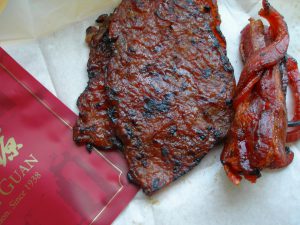
I ate myself silly in Singapore, as I always do, but the food discovery that has me literally losing sleep with excitement is Chinese sweet cured pork, or bak kwa (pictured). This is roughly equivalent to bacon, or perhaps a sort of salami, but instead of being heavily salted is cured with sugar and various distinctly Chinese spices (I detected star-anise, ginger, soy…). It is then ‘toasted’ over a charcoal grill, giving it a rich, smoky complexity and slightly caramelizing the sugars. Bak kwa is available in a number of forms – most commonly as sort of thin patty – but the variety I really fell for is made from slices of pork belly -rather like streaky bacon. This stuff has excited me more than any new food has managed in a very long timem and I’m quite determined learn how to make it when I get home.

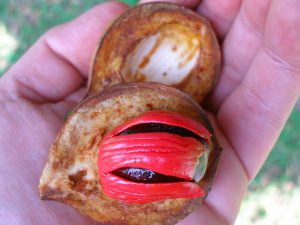
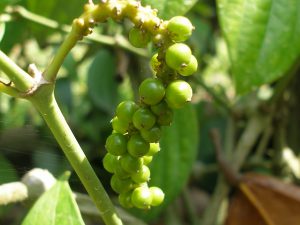
Wanting to get out of the noisy buzz of the Singapore CBD, we spent a morning out at Singapore Zoo. This is a great zoo by any standards, but the highlight for me (apart from the magnificent baboon enclosure) is always the tropical food crops garden. This pretty little corner of the zoo sits on the edge of a reservoir, and is crammed full of tropical fruit, vegetable and spice plants. Highlights included the nutmeg trees which were covered in (and dropping) ripe fruit (pictured), the pepper vines (pictured) and the thickets of pandan which scented the air around much of the zoo with their lovely, vanilla-jasmine rice perfume.

Anyway, this was meant to be a short blog-post and it’s already running out of my grasp, so if you can excuse the icky-ness of travelogues for a few weeks, I’ll keep you up to date with what I’ve been eating, seeing and doing – of a food nature anyway – on a vaguely regular basis.

Talk soon!

PS it’s just started to rain – and I mean RAIN. It’s hotter than a sauna and the frogs are singing. Just lovely.

Budding Love: Spring at last!


Virgil Evetts

My garden is awash with the heartening signs of spring right now. One peach tree is already covered in tiny, fuzzy peach-letts, another is bursting into blousy pink bloom.  My plum tree is a froth of honey-scented papery bliss, and my beloved fig is sending out the emerald-green hands of its early spring growth. Yes, winter has definitely fled my backyard and the promise of so many delectable summer delights is  everywhere. Things are looking up again.

On a related note, the first 2009 sauvignon blanc is starting to arrive on the shelves.  Very young sauvignon (6 months or less) is the true essence of spring in a bottle, with its sharp, gooseberry zing and green, herbaceous fragrance. Buy it young and drink it fast

So has spring sprung in your backyard?

What do you have blossoming now and what are you planning for the summer food garden?